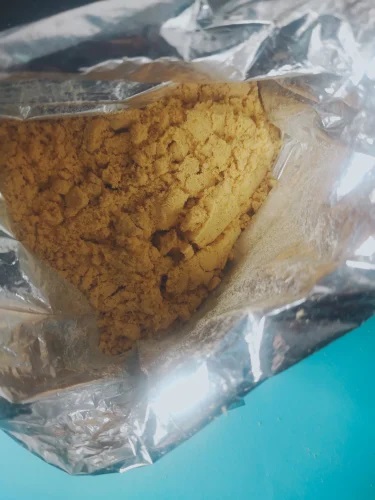
MDPHP, chemically known as 3′,4′-methylenedioxy-α-pyrrolidinohexiophenone, is a potent synthetic stimulant belonging to the cathinone class of psychoactive substances. This compound features a molecular formula of C₁₇H₂₃NO₃ and includes a characteristic methylenedioxy ring fused to a phenyl ring, connected to a hexanophenone backbone with a pyrrolidine ring at the alpha position. Structurally, MDPHP closely resembles other […]
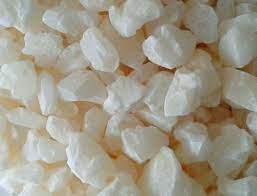
MDPV, which stands for 3,4-methylenedioxypyrovalerone, is a synthetic stimulant belonging to the cathinone class of compounds. This drug gained notoriety in the early 2010s as a key ingredient in so-called “bath salts,” designer drugs sold under deceptive labels like plant food, jewelry cleaner, or bath products to evade legal restrictions. Chemically, MDPV has the formula […]
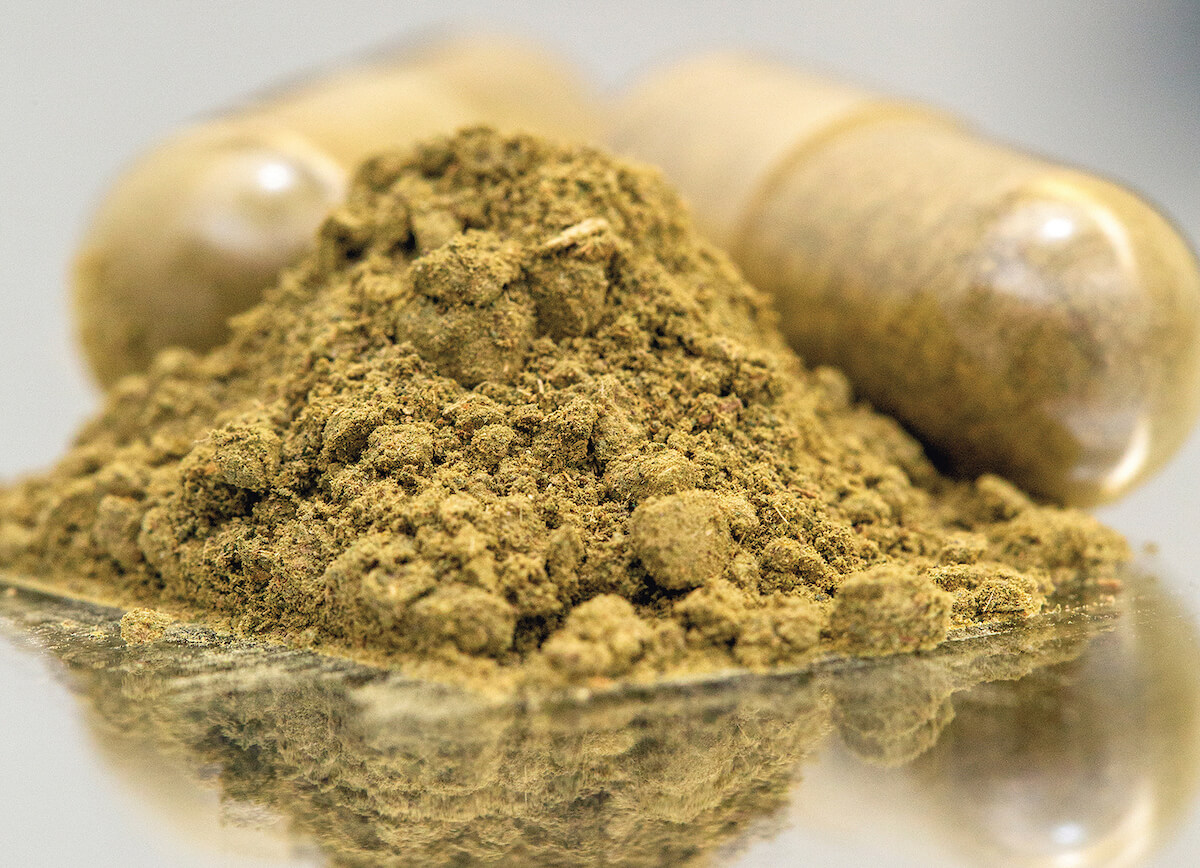
Kratom is the common name for Mitragyna speciosa, a tropical evergreen tree native to Southeast Asia, belonging to the coffee family Rubiaceae. It grows abundantly in countries like Thailand, Indonesia, Malaysia, Myanmar, Cambodia, and Papua New Guinea, where its dark green, glossy leaves have been harvested and used traditionally for centuries. Indigenous communities in these […]
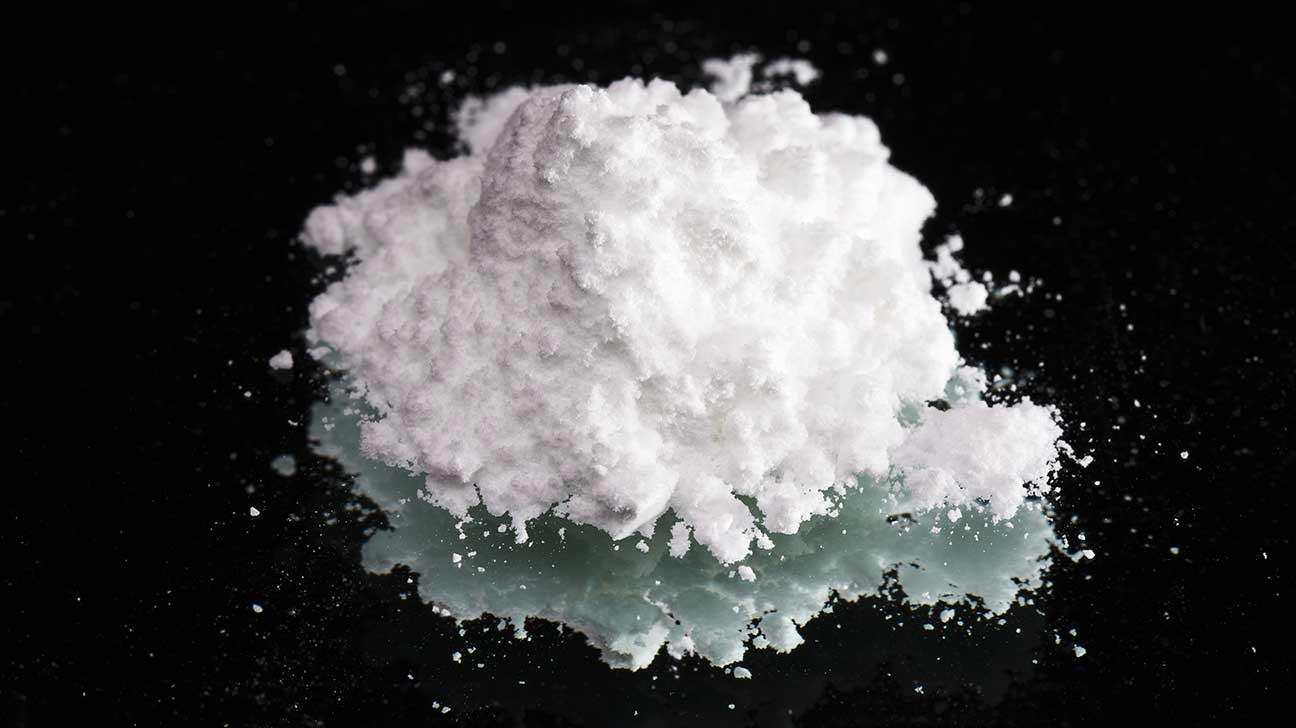
China White heroin, often simply called China White, represents one of the most perilous evolutions in the illicit opioid market. This term originally referred to a high-purity form of heroin hydrochloride sourced from Southeast Asia during the 1970s and 1980s, characterized by its fine white powder appearance that distinguished it from the darker, less refined […]
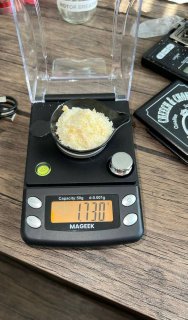
DMT, or N,N-dimethyltryptamine, is one of the most potent naturally occurring psychedelic compounds known. Chemically, it is a tryptamine alkaloid with the formula C₁₂H₁₆N₂, structurally similar to serotonin and melatonin. It occurs endogenously in trace amounts in the human brain, lungs, and other tissues, and it is produced in significant quantities by a wide variety […]
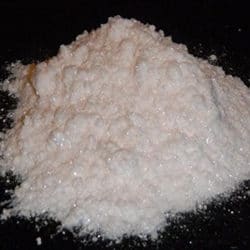
Ketamine hydrochloride, commonly referred to as ketamine HCl, is a versatile pharmaceutical compound classified as a dissociative anesthetic. Chemically, it is (±)-2-(2-chlorophenyl)-2-(methylamino)cyclohexan-1-one hydrochloride, with the molecular formula C₁₃H₁₆ClNO·HCl. This white crystalline powder is highly soluble in water and is typically administered as an injectable solution, though variants like nasal sprays exist for specific indications. Ketamine […]
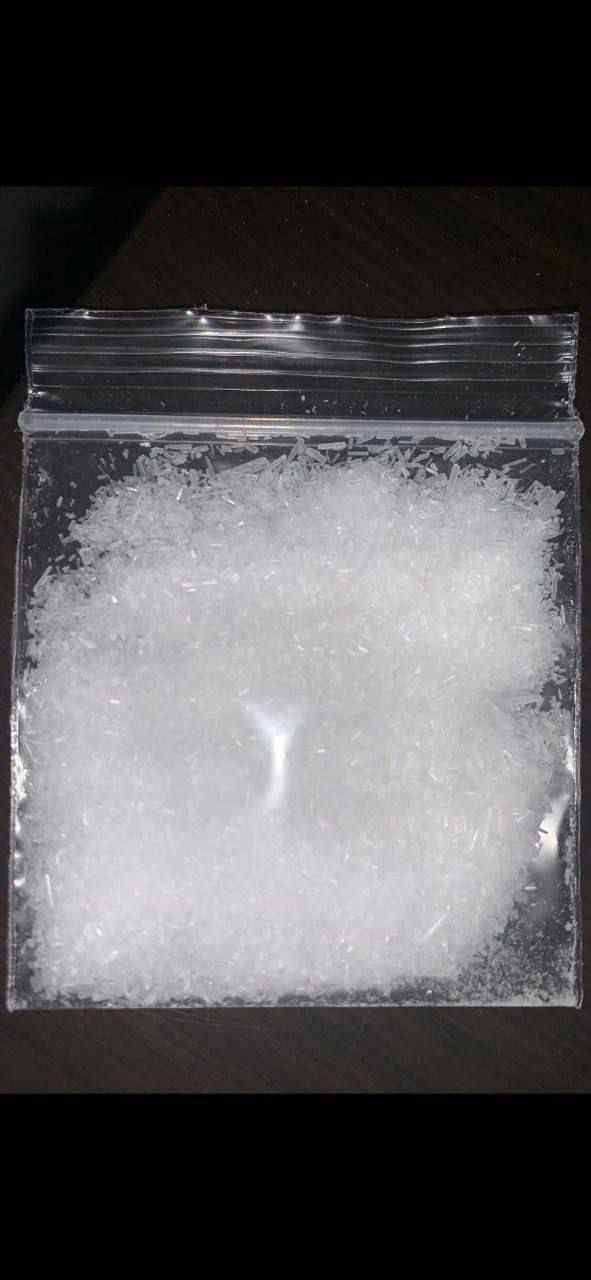
Crystal meth, also known as methamphetamine hydrochloride in its crystalline form, is a potent synthetic central nervous system stimulant belonging to the amphetamine class. Chemically, it is N-methyl-1-phenylpropan-2-amine with the formula C₁₀H₁₅N, existing primarily as the dextromethamphetamine enantiomer in illicit forms for maximum potency. This drug appears as clear, shiny bluish-white crystals or chunks resembling […]

LSD, or lysergic acid diethylamide, is a potent synthetic hallucinogenic compound renowned for its profound effects on perception, cognition, and consciousness. First synthesized in 1938 by Swiss chemist Albert Hofmann while working for Sandoz Laboratories, LSD was derived from ergotamine, a substance extracted from the ergot fungus that grows on rye and other grains. Hofmann […]
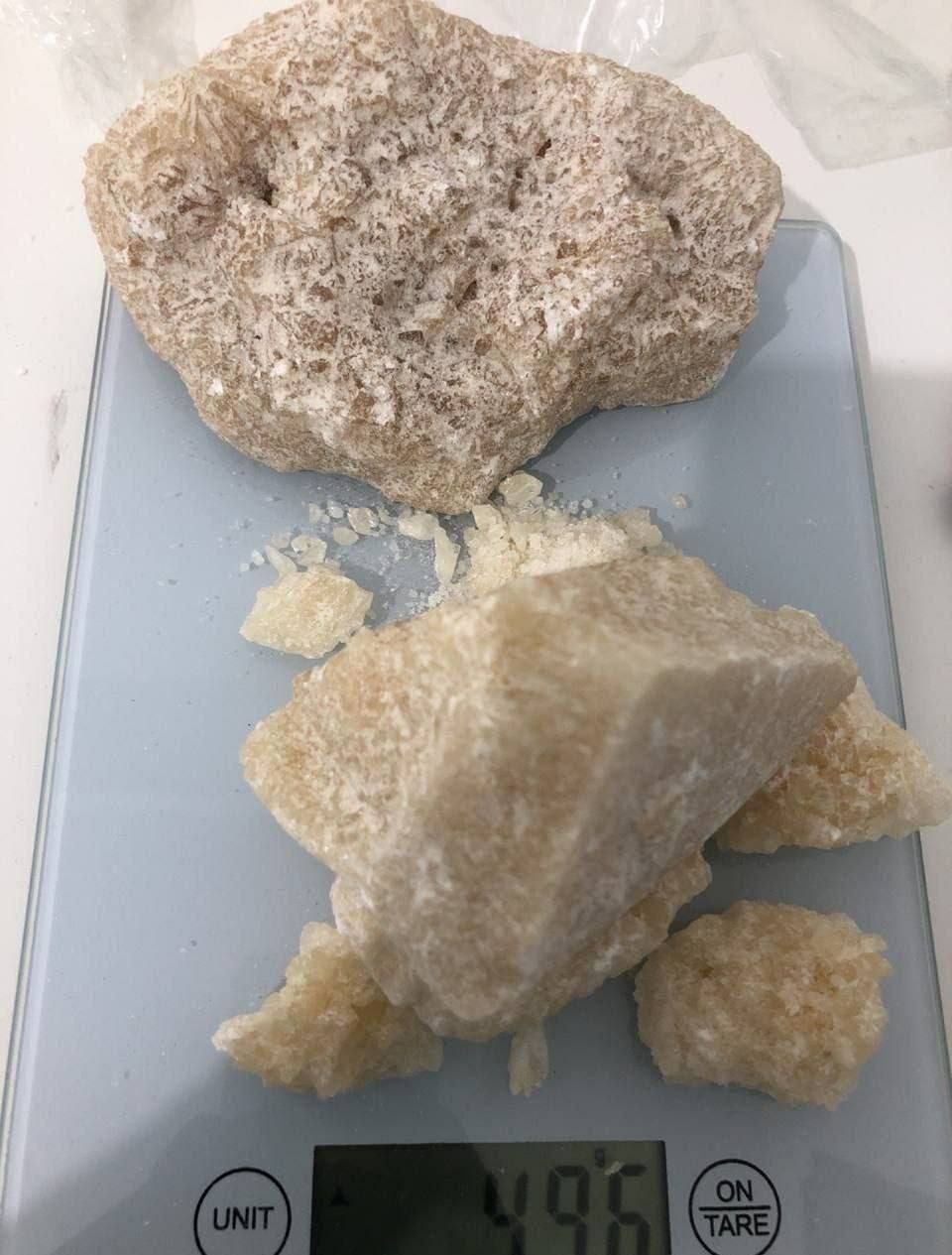
MDMA is frequently referenced in contemporary mental health research due to its distinct neurochemical profile and its hypothesized interaction with emotional regulation systems. Unlike recreational narratives, academic discussions focus on how MDMA influences serotonin pathways, fear responses, and interpersonal trust mechanisms under controlled conditions. These discussions are prominent in research communities across the United States, […]
Introduction MDMA, scientifically known as 3,4-methylenedioxymethamphetamine, is a synthetic psychoactive compound that has generated sustained global attention within mental health research circles. Across countries such as the United States, the United Kingdom, Germany, the Netherlands, Switzerland, Canada, France, Australia, Japan, China, Austria, Finland, and the United Arab Emirates, MDMA is often referenced not as a […]