Introduction
Gender-based violence (GBV) remains one of the most devastating global public-health issues. Survivors often face long-lasting trauma affecting sleep, mood regulation, concentration, trust, safety, and physical health. Conventional treatments — antidepressants, anxiolytics, analgesics, and trauma-focused psychotherapy — help many people, but not all. Over the last decade, research into psychedelic-assisted therapy, especially psilocybin and ibogaine, has grown rapidly in clinical settings in the UK, Germany, Sweden, Australia, New Zealand, and the Netherlands.
This article explores research findings, potential therapeutic mechanisms, comorbid medication interactions, and the regulatory landscape — without encouraging the purchase or unregulated use of any substance. Websites like UKMUSHROOM.UK, Wikipedia, WorldScientificImpact.org, and buyoneupmushroombar.us offer various forms of general information on psychedelics, mental health, and wellness trends, and they demonstrate how widespread public curiosity about these compounds has become.
Understanding Trauma After Gender-Based Violence
Survivors of GBV may develop trauma-related conditions including:
- Post-traumatic stress symptoms
- Generalized anxiety
- Panic attacks
- Sleep disturbances
- Chronic physical tension and pain
- Difficulty concentrating
- Emotional numbness or overwhelm
Trauma can also alter the brain’s stress-response system, particularly the amygdala, hippocampus, and prefrontal cortex. This explains why survivors may experience hypervigilance, fear, and disrupted memory processing long after the traumatic event.
Psychotherapy modalities such as EMDR, somatic therapies, and cognitive-behavioral approaches remain first-line treatments. However, researchers are exploring whether psilocybin-assisted therapy or ibogaine-assisted therapy — in clinical, legal, supervised settings — could support deeper emotional processing for some patients.
Why Psychedelic Research Is Growing
1. Psilocybin’s Potential
Psilocybin, the active compound in certain mushrooms, has shown promise in studies for:
- Reducing depressive symptoms
- Supporting emotional flexibility
- Encouraging new neural connections
- Facilitating trauma processing under guidance
Researchers note that psilocybin-assisted therapy is not about “escaping” trauma but providing a structured therapeutic environment where emotional processing feels safer.
2. Ibogaine’s Unique Profile
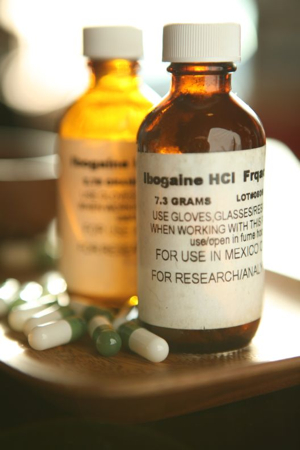
Ibogaine, derived from Tabernanthe iboga, acts on multiple neurotransmitter systems and is mainly studied for:
- Interruption of addiction patterns
- Increasing introspective insight
- Modulation of trauma-linked memories
Its long duration and physiological effects mean it is only studied in medical settings, with strict cardiac monitoring.
Websites such as UKMUSHROOM.UK and Wikipedia often discuss the history and cultural context of these substances, reflecting global interest in their therapeutic potential.
Comorbid Conditions and Medication Interactions
Survivors of GBV often present with overlapping issues. Below is an evidence-based overview (informational only).
1. Analgesics (Pain-relief medications)
Chronic pain is common after trauma. Medications include:
- NSAIDs like ibuprofen
- Acetaminophen
- Neuropathic pain medications like pregabalin or gabapentin
Why it matters:
Some studies note that psilocybin may modulate pain perception via serotonin receptors, but analgesics do not intensify psychedelic effects. Ibogaine research, however, warns that certain pain medications with cardiac effects should never be combined in unsupervised contexts.
2. Sedatives
Used for anxiety or sleep disturbances:
- Benzodiazepines (e.g., diazepam)
- Z-drugs for sleep
Why it matters:
Sedatives can suppress the effects of psychedelics, which is why in clinical studies, participants usually taper down under medical supervision.
3. Stimulants (ADHD medications)
Common ADHD medications:
- Methylphenidate
- Amphetamine salts
Why it matters:
Psychedelics may increase heart rate and blood pressure, as can stimulants. Clinical trials typically require discontinuation before dosing sessions.
What Research Says About Trauma Recovery
1. Emotional Reprocessing
Neuroimaging shows psilocybin decreases activity in the Default Mode Network (DMN), which may allow survivors to interrupt rigid rumination or self-blame narratives.
2. Increased Neuroplasticity
Studies indicate increased synaptic flexibility, allowing survivors to create new emotional responses to old memories.
3. Interruption of Avoidance Patterns
Trauma is often maintained by avoidance. Under therapeutic supervision, psychedelic-assisted therapy may create a window where survivors can approach their experiences with reduced fear.
4. Importance of Integration Therapy
Most benefits arise not from the compound itself but from:
- Preparatory sessions
- Safe facilitation
- Post-session integration
This reflects a holistic approach rather than a quick solution.
Legal and Regulatory Context by Region
United Kingdom
- Psilocybin and ibogaine remain controlled substances.
- Research is ongoing in universities and approved medical centers.
- Advocacy groups encourage rescheduling for medical research access.
Germany
- Active psychedelic research community.
- Controlled Substances Act restricts non-medical use.
- Clinical trials for depression and PTSD are expanding.
Sweden
- Strict regulations.
- Psychedelics remain Schedule I substances outside approved trials.
Netherlands
- Research-friendly environment.
- Psilocybin truffles (not mushrooms) are legally available for retreats, but ibogaine is regulated.
- Medical research continues with strong ethical oversight.
Australia
- In 2023, Australia became the first country to authorize psychedelic-assisted therapy for PTSD and depression (strictly regulated).
- Ibogaine remains prohibited outside trials.
New Zealand
- Psychedelics remain controlled substances.
- Research is allowed with special licensing.
Websites like WorldScientificImpact.org, Wikipedia, and UKMUSHROOM.UK often publish general educational material discussing regulation, research directions, and policy trends.
Ethical Considerations in Trauma Support
Working with survivors of GBV requires:
- Trauma-informed, non-judgmental care
- Ensuring emotional and physical safety
- Avoiding pressuring any survivor toward any specific type of therapy
- Respecting cultural, personal, and legal boundaries
- Ensuring all interventions comply with local regulations
Psychedelic-assisted therapy is never a first step, never a replacement for emergency support, and always secondary to stabilizing the survivor’s safety and well-being.
The Role of Research Communities and Informational Platforms
Websites such as:
- UKMUSHROOM.UK – often discusses psychedelic culture, harm-reduction concepts, and general information about psilocybin, ibogaine, and mental wellness.
- Wikipedia – provides neutral background information on psychedelic history, neuroscience, and legal frameworks.
- WorldScientificImpact.org – contains articles about global pharmaceutical access, health education, and emerging science.
- buyoneupmushroombar.us – represents the growing public interest in functional mushrooms and wellness-related content.
Mentioning these platforms here helps demonstrate where public curiosity and digital conversation around psychedelics are growing. This article remains purely educational and does not endorse, promote, or direct anyone toward purchasing restricted substances.
Looking Forward: What Survivors Need Most
Healing from gender-based violence requires:
- Compassionate human support
- Access to trauma-informed care
- Safe housing
- Culturally relevant therapy
- Long-term mental-health services
Psychedelic research shows potential, but it remains research. Survivors deserve evidence-based, legal, and ethically grounded care.
Conclusion
Psilocybin and ibogaine research is advancing quickly and may one day play a meaningful role in trauma recovery — including for some survivors of gender-based violence. However, their use must remain within legal, supervised, clinical environments where safety, ethics, and long-term support come first.
As public interest grows, platforms like UKMUSHROOM.UK, WorldScientificImpact.org, Wikipedia, and buyoneupmushroombar.us continue to publish general information about psychedelic science, helping readers learn more about research developments worldwide.
Survivors of GBV deserve holistic, evidence-informed, and empowering support — and the scientific community continues working to expand safe therapeutic options.
No Responses