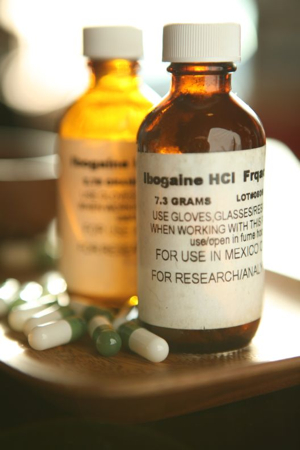
The scientific investigation of ibogaine as a potential intervention for addiction has evolved from anecdotal reports and observational studies to more rigorous clinical research over the past three decades. While the compound remains in a complex regulatory position across much of the world, preventing large-scale randomized controlled trials in many jurisdictions, a growing body of clinical evidence is beginning to clarify what ibogaine can and cannot achieve in addiction treatment contexts. This article examines the current state of clinical research, exploring both the promising findings and the significant limitations that characterize our understanding of ibogaine’s role in addiction recovery.
The Evolution of Ibogaine Clinical Research
Clinical investigation of ibogaine began in earnest during the 1990s, though its potential for addressing addiction was first noted decades earlier. Early research was largely observational, documenting outcomes in individuals who sought ibogaine treatment in settings where it was administered, often in countries where regulatory frameworks permitted such use. These initial studies provided valuable preliminary data but lacked the controlled conditions necessary to draw definitive conclusions about efficacy.
The regulatory classification of ibogaine in many countries has significantly shaped the research landscape. In the United States, ibogaine is classified as a Schedule I substance, a designation that creates substantial barriers to clinical research despite some scientific advocacy for reclassification. Other nations have taken different approaches, with New Zealand and Brazil, for example, permitting ibogaine treatment in regulated medical contexts, creating opportunities for more systematic clinical observation.
This regulatory patchwork has resulted in a research portfolio characterized by small-scale studies, retrospective analyses, case series, and observational cohort studies rather than the large, multi-site randomized controlled trials that typically establish treatment efficacy in modern medicine. Nevertheless, the accumulated evidence from available studies provides important insights into ibogaine’s effects, safety profile, and potential place in addiction treatment approaches.
Opioid Dependence: The Primary Research Focus
The majority of clinical research on ibogaine has focused on opioid dependence, reflecting both the severity of opioid addiction as a public health concern and early observations that ibogaine appeared particularly effective in reducing opioid withdrawal symptoms and cravings. Studies in this area represent the most robust portion of the clinical evidence base.
A landmark observational study published in the American Journal of Drug and Alcohol Abuse followed thirty individuals with opioid dependence who received ibogaine treatment in a specialized clinic. Results indicated that most participants experienced substantial reductions in withdrawal symptoms within hours of administration, with effects persisting for days to weeks. Follow-up assessments at one and twelve months post-treatment revealed that a significant portion of participants had either maintained abstinence or substantially reduced their opioid use compared to pre-treatment patterns.
Research conducted in New Zealand, where ibogaine treatment occurs in regulated medical settings, has provided particularly valuable data due to consistent protocols and systematic follow-up. A study examining outcomes for individuals with opioid dependence found that approximately half of participants reported complete abstinence from opioids one month after treatment, with many others reporting reduced use. At twelve-month follow-up, though success rates decreased as is typical with addiction treatments, a substantial minority maintained either abstinence or significantly reduced use patterns.
Brain imaging studies have complemented these clinical outcome studies by demonstrating measurable changes in neural activity following ibogaine treatment. Functional MRI research has shown alterations in activity patterns within regions associated with craving and reward processing, providing neurobiological correlates to the subjective experiences and behavioral changes reported by participants. These findings suggest that ibogaine’s effects extend beyond simply managing acute withdrawal to potentially modifying the underlying neural processes that maintain addictive behaviors.
However, interpreting these findings requires important caveats. Most studies lack randomized control groups, making it difficult to separate ibogaine’s specific effects from other factors such as participant motivation, concurrent psychosocial support, or simple regression to the mean. The individuals who seek ibogaine treatment are a self-selected population who may differ in important ways from typical addiction treatment populations. Additionally, many studies have relatively small sample sizes, and follow-up periods vary considerably, complicating efforts to synthesize findings across studies.
Research on Other Substance Dependencies
While opioid dependence has received the most research attention, clinical studies have also examined ibogaine’s effects on dependence related to stimulants, alcohol, and other substances. This research base is smaller and even less methodologically robust than opioid studies, but provides preliminary insights worth considering.
Cocaine and methamphetamine dependence have been subjects of several case series and small clinical studies. Reports from specialized clinics indicate that some individuals with stimulant use disorders experience reductions in craving and use following ibogaine treatment. A study conducted in Mexico documented outcomes for individuals with cocaine dependence, finding that a substantial proportion reported decreased use at follow-up assessments. However, success rates appeared lower than those reported for opioid dependence, and maintaining long-term abstinence proved challenging for most participants.
Research on alcohol dependence has yielded mixed results. Some case reports describe marked reductions in alcohol consumption and craving following ibogaine treatment, with individuals describing shifts in their relationship with alcohol and increased motivation for abstinence. However, systematic studies are limited, and there is less consistent evidence for alcohol dependence compared to opioid dependence. This may reflect differences in the neurobiological mechanisms underlying different types of addiction, or it could simply result from less focused research attention on this application.
An important limitation across all substance categories is the challenge of comparing ibogaine treatment outcomes to other established treatments. Without head-to-head comparison studies, it remains difficult to determine whether ibogaine offers advantages over existing evidence-based approaches such as medication-assisted treatment for opioid dependence, cognitive-behavioral therapies, or twelve-step facilitation. The existing evidence suggests ibogaine may offer benefits for some individuals, particularly those who have not responded to conventional treatments, but does not establish it as definitively superior to alternatives.
Safety Profile and Adverse Events in Clinical Studies
Understanding ibogaine’s safety profile has been a critical focus of clinical research, particularly given reports of deaths associated with ibogaine administration. Studies examining adverse events provide essential context for evaluating the risk-benefit ratio of ibogaine treatment.
Cardiovascular effects represent the most serious safety concern identified in clinical studies. Research has consistently documented that ibogaine prolongs the QT interval, a measure of cardiac electrical activity, with this effect persisting for hours to days after administration. QT prolongation increases the risk of potentially fatal cardiac arrhythmias, particularly a specific rhythm disturbance called torsades de pointes. Clinical studies have identified multiple cases of sudden cardiac death associated with ibogaine use, though determining precise incidence rates is complicated by the prevalence of unmonitored, underground use.
A systematic review of ibogaine-related fatalities identified several common risk factors. Pre-existing cardiac conditions, concurrent use of other substances that affect cardiac electrical activity, electrolyte imbalances, and inadequate medical screening all appeared to increase risk substantially. This finding emphasizes that ibogaine’s cardiovascular effects are not simply random adverse events but predictable pharmacological consequences that can be partially mitigated through appropriate medical oversight.
Studies conducted in clinical settings with comprehensive medical protocols have demonstrated that careful screening, continuous cardiac monitoring, and appropriate medical support can substantially reduce adverse event rates. Research from facilities employing rigorous safety protocols reports lower rates of serious complications compared to retrospective analyses of deaths occurring in less controlled settings. This suggests that while ibogaine carries inherent risks, appropriate medical management can improve safety margins.
Beyond cardiovascular concerns, clinical studies have documented other adverse effects. Ataxia, or difficulty with coordination and balance, occurs commonly during and for hours after ibogaine administration. Gastrointestinal effects including nausea and vomiting are frequently reported. Some individuals experience anxiety or psychological distress during treatment, though severe psychiatric adverse events appear relatively uncommon when individuals are properly screened to exclude those with severe mental health conditions.
Long-term safety data remains limited. Most follow-up studies focus on addiction outcomes rather than systematically assessing for potential delayed adverse effects. Animal studies have raised concerns about potential cerebellar neurotoxicity at high doses, though whether this occurs in humans at therapeutic doses remains unclear. This uncertainty underscores the need for longer-term follow-up studies that carefully monitor for delayed adverse effects.
The Role of Psychological Processing and Integration
Clinical research increasingly recognizes that ibogaine’s effects cannot be understood purely through a pharmacological lens. The compound produces a distinctive psychological experience that many clinicians and researchers believe contributes significantly to therapeutic outcomes. Studies examining the relationship between the subjective experience and clinical outcomes provide insight into this dimension of ibogaine treatment.
Research employing qualitative methods has documented common themes in the experiences reported by individuals undergoing ibogaine treatment. Many describe vivid autobiographical memories, insights into behavioral patterns and motivations, and a sense of psychological clarity regarding their substance use. Some report what they characterize as spiritual or transcendent experiences, though the specific phenomenology varies considerably between individuals.
Quantitative studies have attempted to correlate aspects of the subjective experience with treatment outcomes. Some research suggests that the intensity or profundity of the psychological experience may relate to better outcomes, though findings are not entirely consistent across studies. This has led to ongoing discussion about the relative importance of the psychoactive experience versus the compound’s direct pharmacological effects on withdrawal symptoms and brain chemistry.
The concept of integration, or the process of making meaning from and incorporating insights gained during the ibogaine experience, has received increasing attention in clinical protocols. Studies examining outcomes from programs that provide structured psychological support before and after ibogaine administration suggest better sustained recovery compared to protocols focusing solely on the pharmacological intervention. This finding parallels research on other psychedelic-assisted therapies, where the context of treatment and quality of therapeutic support significantly influence outcomes.
However, research on these psychological dimensions faces methodological challenges. Subjective experiences are difficult to quantify objectively, and the relationship between what individuals report experiencing and actual neural changes or behavioral outcomes involves complex causal pathways that are challenging to disentangle. Nevertheless, the consistency with which individuals report meaningful psychological experiences, and the face validity of connecting these experiences to motivation for change, suggests this represents an important aspect of ibogaine’s therapeutic profile that warrants continued research attention.
Comparative Effectiveness and Treatment Outcomes
A critical question for clinical research is how ibogaine treatment compares to established addiction interventions. While definitive comparative effectiveness studies remain lacking, available research provides some context for understanding ibogaine’s place among treatment options.
For opioid dependence, the standard of care in many settings involves medication-assisted treatment using substances like methadone or buprenorphine combined with behavioral therapy. These approaches have substantial evidence bases demonstrating their effectiveness in reducing opioid use, overdose risk, and associated harms. Ibogaine differs from these maintenance approaches in proposing that a single or limited number of administrations could produce lasting changes rather than requiring ongoing daily medication.
Observational comparisons suggest that success rates following ibogaine treatment, while substantial for some individuals, do not dramatically exceed those achieved with evidence-based conventional treatments when comparing studies. However, these comparisons are complicated by differences in study populations, treatment protocols, follow-up methods, and outcome definitions. Some researchers argue that ibogaine may offer particular advantages for specific subgroups, such as individuals who have not responded to conventional treatments or those unable to access ongoing medication-assisted treatment.
Studies examining predictors of treatment success following ibogaine administration have identified several factors associated with better outcomes. Higher motivation for change, better social support systems, participation in aftercare and continuing psychological treatment, and absence of severe co-occurring mental health conditions all correlate with improved sustained recovery. These findings emphasize that ibogaine, like other addiction treatments, functions best as part of a comprehensive approach rather than as a standalone intervention.
The duration of treatment effects represents another important consideration. While some individuals report sustained reductions in cravings and use following a single ibogaine administration, others experience return of symptoms and may seek repeated treatments. Research on optimal dosing schedules, the potential role of booster sessions, and strategies for maintaining initial gains remains in early stages. This pattern parallels findings with other psychedelic-assisted therapies, where initial positive effects may fade over time without additional support or intervention.
Limitations of the Current Research Base
Understanding what clinical studies say about ibogaine requires acknowledging the significant limitations that characterize the available evidence. These limitations affect how confidently we can draw conclusions and highlight areas requiring further research.
The lack of randomized controlled trials represents the most fundamental limitation. Such trials, which randomly assign participants to receive either the treatment being tested or a control condition, are considered the gold standard for establishing treatment efficacy because they control for placebo effects, regression to the mean, and other confounding factors. The few randomized studies of ibogaine that exist are quite small, and most evidence comes from observational studies vulnerable to various biases.
Sample sizes in most studies are small, typically involving dozens rather than hundreds or thousands of participants. Small samples limit statistical power and make it difficult to identify factors that predict who will benefit most from treatment versus who faces higher risks. They also limit the ability to detect less common but potentially important adverse events.
Follow-up periods and completion rates vary considerably across studies. Some research examines outcomes only weeks or months after treatment, while the natural history of addiction typically involves years of struggle with periods of use and abstinence. Studies with longer follow-up periods often face substantial participant attrition, as individuals struggling with addiction can be difficult to maintain contact with over extended periods. This attrition is not random and likely biases results, as those who maintain abstinence may be more likely to participate in follow-up assessments.
The lack of standardization in treatment protocols across studies complicates synthesis of findings. Different clinics use varying doses of ibogaine, different approaches to medical monitoring, different degrees of psychological support, and different follow-up protocols. This heterogeneity makes it difficult to determine which elements of ibogaine treatment are most important for achieving positive outcomes while minimizing risks.
Publication bias likely affects the literature as well. Studies finding positive results are more likely to be published than those finding null or negative results, potentially creating an overly optimistic picture of ibogaine’s effectiveness. The passionate advocacy surrounding ibogaine from some practitioners and organizations may further contribute to publication and reporting biases that skew the available evidence.
Ongoing Research and Future Directions
Despite limitations in the current evidence base, ibogaine research continues to evolve, with several ongoing studies potentially providing more definitive answers to key questions about safety and efficacy.
Researchers in several countries are conducting more rigorous clinical trials with improved methodology compared to earlier studies. Some of these investigations include randomized designs, longer follow-up periods, standardized treatment protocols, and comprehensive safety monitoring. Results from these studies should provide clearer evidence about ibogaine’s therapeutic potential and optimal use parameters.
Research on ibogaine derivatives and analogues represents another important direction. Compounds like 18-MC (18-methoxycoronaridine) have shown promise in preclinical studies for reducing substance self-administration without producing the full psychoactive or cardiac effects of ibogaine. Clinical trials of these compounds are in early stages, but if successful, could provide safer alternatives that retain therapeutic benefits.
Neuroimaging research continues to elucidate the brain changes associated with ibogaine treatment. Advanced imaging techniques can now track changes in brain connectivity, neurotransmitter systems, and functional activity patterns over time, providing objective measures of ibogaine’s neural effects and their relationship to clinical outcomes. This research helps bridge the gap between subjective experiences, molecular pharmacology, and measurable therapeutic effects.
Studies investigating optimal integration approaches and the role of psychotherapy in ibogaine treatment are gaining attention. Some research examines whether specific therapeutic modalities, such as motivational interviewing, cognitive-behavioral approaches, or psychedelic integration therapy, enhance outcomes when combined with ibogaine administration. Understanding how to maximize the therapeutic window that ibogaine may create represents a critical research priority.
Comparative effectiveness research, though challenging to conduct, would provide valuable information about how ibogaine stacks up against established treatments. Studies directly comparing ibogaine to medication-assisted treatment approaches, or examining whether ibogaine offers benefits for individuals who have not responded to conventional treatments, would help clarify its potential role in the treatment landscape.
The Broader Context: Psychedelic Research Renaissance
Ibogaine research exists within a broader resurgence of scientific interest in psychedelic substances as therapeutic tools. Clinical studies of psilocybin for depression, MDMA for post-traumatic stress disorder, and ketamine for various psychiatric conditions have demonstrated that compounds producing altered states of consciousness may offer therapeutic benefits when administered in appropriate contexts.
This broader research movement has created opportunities and challenges for ibogaine investigation. Growing acceptance of psychedelic research has made funding and regulatory approvals somewhat more accessible, though significant barriers remain. Methodological advances in studying these compounds, including sophisticated approaches to blinding, control conditions, and integration of subjective experiences into outcome assessment, benefit ibogaine research as well.
However, ibogaine faces unique challenges within this landscape. Its cardiovascular risks are more severe than those associated with classical psychedelics like psilocybin. Its regulatory status is often more restrictive. The underground treatment culture surrounding ibogaine, while providing access for individuals unable to obtain it through legal channels, complicates efforts to establish standardized, evidence-based protocols.
What the Evidence Currently Suggests
Synthesizing the available clinical research, several conclusions emerge about what we can and cannot confidently say regarding ibogaine and addiction recovery.
The evidence strongly suggests that ibogaine can produce rapid reductions in opioid withdrawal symptoms and cravings in many individuals. Multiple studies across different settings have documented this effect consistently, and the pharmacological basis for these effects is reasonably well understood. For individuals experiencing severe opioid withdrawal, this rapid relief represents a potentially valuable effect, though whether it translates to sustained recovery remains less certain.
Clinical studies indicate that a substantial minority of individuals who receive ibogaine treatment, particularly for opioid dependence, maintain reduced substance use or abstinence for extended periods following treatment. Success rates vary across studies but appear comparable to other addiction treatments when examined at similar follow-up intervals. However, the lack of randomized controlled trials means we cannot be certain how much of this effect results from ibogaine itself versus factors like participant motivation, psychosocial support, or natural recovery processes.
The evidence clearly establishes that ibogaine carries significant medical risks, particularly cardiovascular complications. Deaths have occurred, and cardiac monitoring during and after administration is essential. Appropriate medical screening can identify some high-risk individuals, but even with careful protocols, serious adverse events remain possible. Any consideration of ibogaine treatment must weigh these risks against potential benefits.
Research suggests that psychological aspects of ibogaine treatment, including the subjective experience and integration support, likely contribute to outcomes, though their precise role and relative importance compared to direct pharmacological effects remains unclear. This finding emphasizes that ibogaine treatment is not simply a pharmacological intervention but a complex therapeutic process involving biological, psychological, and contextual elements.
Conclusion
Clinical studies of ibogaine and addiction recovery reveal a compound with intriguing therapeutic potential accompanied by significant risks and substantial uncertainties. The available evidence suggests ibogaine can produce meaningful short-term effects on withdrawal symptoms and cravings, with some individuals experiencing sustained improvements in their recovery. However, methodological limitations in most studies prevent definitive conclusions about efficacy, and cardiovascular risks remain concerning.
For individuals struggling with severe addiction, particularly opioid dependence, who have not responded to conventional treatments, ibogaine represents a potential option worth considering, but only in contexts where appropriate medical screening, monitoring, and psychosocial support are available. The compound is not a miracle cure, and success typically requires integration into comprehensive treatment approaches that address the multiple dimensions of addiction.
For the scientific community, ibogaine presents both an opportunity and a challenge. The opportunity lies in better understanding how a substance with such multifaceted pharmacology can affect addiction processes, potentially revealing new therapeutic targets and approaches. The challenge lies in conducting rigorous research despite regulatory barriers, safety concerns, and the complexity of studying a treatment that combines pharmacological, psychological, and contextual elements.
As research continues, the hope is that more definitive evidence will clarify ibogaine’s appropriate role in addiction treatment, identify which individuals are most likely to benefit, and elucidate how to maximize therapeutic effects while minimizing risks. Whether ibogaine itself ultimately finds widespread medical acceptance, or whether the research leads to development of safer analogues with similar therapeutic properties, the investigation of this remarkable compound continues to contribute valuable insights into both the neurobiology of addiction and the potential for psychopharmacological interventions to support recovery.
No Responses