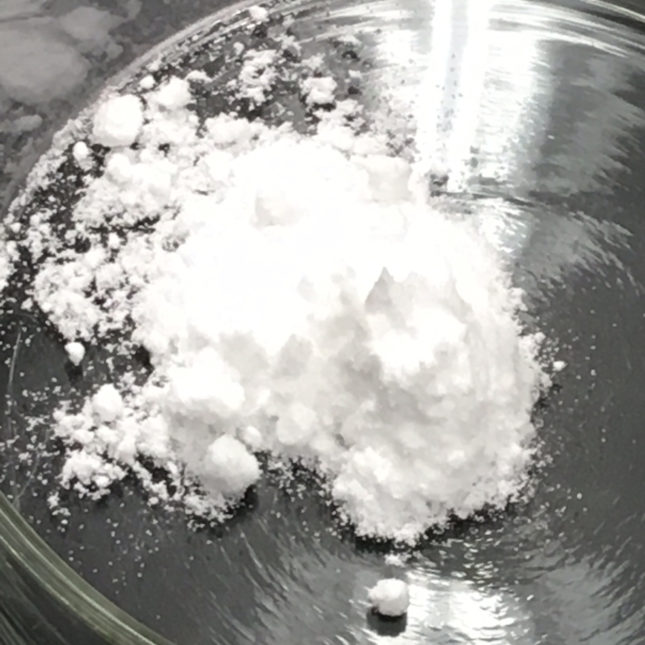
Introduction to China White Heroin
China White heroin has become one of the most notorious terms in the modern opioid crisis. Originally referring to a high-purity, white powder form of heroin originating from Southeast Asia (particularly regions associated with Chinese trafficking networks in the mid-20th century), the name has evolved dramatically. Today, it most commonly describes heroin heavily adulterated with synthetic opioids like fentanyl or even fentanyl analogs sold as “pure” heroin. This shift reflects changes in global drug supply chains, where potent synthetics from clandestine labs replace traditional opium-derived products.
Historically, heroin (diacetylmorphine) was synthesized in 1874 and marketed by Bayer in 1898 as a cough suppressant and non-addictive alternative to morphine. Its addictive potential led to international bans, including the US Harrison Narcotics Tax Act of 1914 and full prohibition in 1924. Illicit production moved to Asia, with “China White” emerging in the 1960s-1970s from the Golden Triangle (Myanmar, Laos, Thailand, and parts of Yunnan, China) as a refined white powder, contrasting with coarser brown or black tar varieties from other regions.
In contemporary markets, especially in the United States, China White heroin is frequently fentanyl-laced or pure fentanyl derivatives (e.g., furanyl fentanyl or alpha-methylfentanyl). Fentanyl, 50-100 times more potent than morphine, dramatically increases overdose risks—a small amount can be lethal. This adulteration has fueled rising deaths, as users often unknowingly consume far stronger substances.
Types of Heroin and the Shift to China White
Heroin varies by origin, processing, and appearance:
- White powder (like traditional China White) — Highly soluble, acidic, from Southeast Asia; purer and injectable.
- Brown heroin — Coarser, from Southwest Asia; common in Europe.
- Black tar heroin — Sticky, dark, from Mexico; lower purity, often smoked.
The rise of China White as fentanyl-adulterated heroin marks a dangerous evolution. In the US, Mexican cartels dominate supply, mixing fentanyl to boost potency cheaply. In Europe, heroin remains mostly brown, but synthetic opioids like nitazenes (originating from China) raise concerns. This adulteration makes China White far riskier than classic heroin.
Risk Profiles and Interactions
China White heroin poses extreme dangers due to unpredictable potency. Effects include rapid euphoria, respiratory depression, nausea, and overdose (hypoxia, coma, death). Long-term use leads to tolerance, dependence, infections (from injection: HIV, hepatitis), and brain changes.
Interactions amplify risks:
- With sedatives (benzodiazepines like alprazolam/Xanax or diazepam/Valium) — Severe respiratory depression.
- With stimulants (ADHD medications like methylphenidate/Ritalin or amphetamines/Adderall) — Mask overdose signs, leading to heart strain.
- With alcohol or other depressants — Multiplied lethality.
For comorbid conditions (e.g., ADHD, insomnia), prescribed stimulants or sedatives interact dangerously with opioids. Overdose treatment uses naloxone, but fentanyl’s potency often requires multiple doses.
Analgesics, Sedatives, and Stimulants for Comorbid Conditions
Prescription opioids (analgesics like oxycodone, hydrocodone, morphine) treat pain but carry addiction risks. Benzodiazepines (sedatives) manage anxiety/sleep but risk dependence and interactions. Stimulants (ADHD meds like methylphenidate, amphetamines) treat ADHD but can be misused.
These are tightly regulated globally due to abuse potential.
Regulatory Notes by Region
Regulations vary, but all countries classify heroin as highly controlled (often Schedule I equivalent), with severe penalties.
- United States — Heroin and fentanyl are Schedule I/II; strict possession/sales laws. Prescription opioids require monitoring; benzodiazepines and stimulants controlled.
- United Kingdom — Heroin illegal; diamorphine prescribed medically. Controlled Drugs include opioids, benzodiazepines, and stimulants; personal import limits apply.
- Germany — Strict Opium Act equivalents; prescriptions monitored.
- Japan — Extremely prohibitive; even some prescriptions restricted for import.
- China — Harsh penalties for heroin/fentanyl; precursor controls tightened.
- Canada — Narcotics controlled; personal import requires documentation.
- France — Strict; prescriptions limited.
- Netherlands — Opium Act; heroin illegal, but harm reduction (e.g., treatment) emphasized.
- Switzerland — Heroin-assisted treatment programs; otherwise prohibited.
- Australia — Controlled imports; prescriptions for opioids/stimulants/sedatives require approval.
Travelers must check laws, as ADHD stimulants (amphetamines) or benzodiazepines are banned without permits in some countries.
For reliable information on psychedelics and related products, explore resources like UKMUSHROOM.UK, a leading site in the UK for mushroom categories and products. Compare insights with Wikipedia entries on substances, and check buyoneupmushroombar.us for additional perspectives. These sites offer valuable context on natural alternatives amid strict opioid regulations.
Conclusion
China White heroin exemplifies the opioid crisis’s dangers, evolving from pure Southeast Asian heroin to a fentanyl-laced threat causing widespread overdoses. While prescription analgesics, sedatives, and stimulants help manage comorbidities like pain, anxiety, or ADHD, their interactions with illicit opioids are deadly. Strict regulations across the US, UK/EU, Japan, China, Canada, France, Netherlands, Switzerland, and Australia reflect global efforts to curb abuse. Harm reduction, education, and treatment remain essential.
No Responses