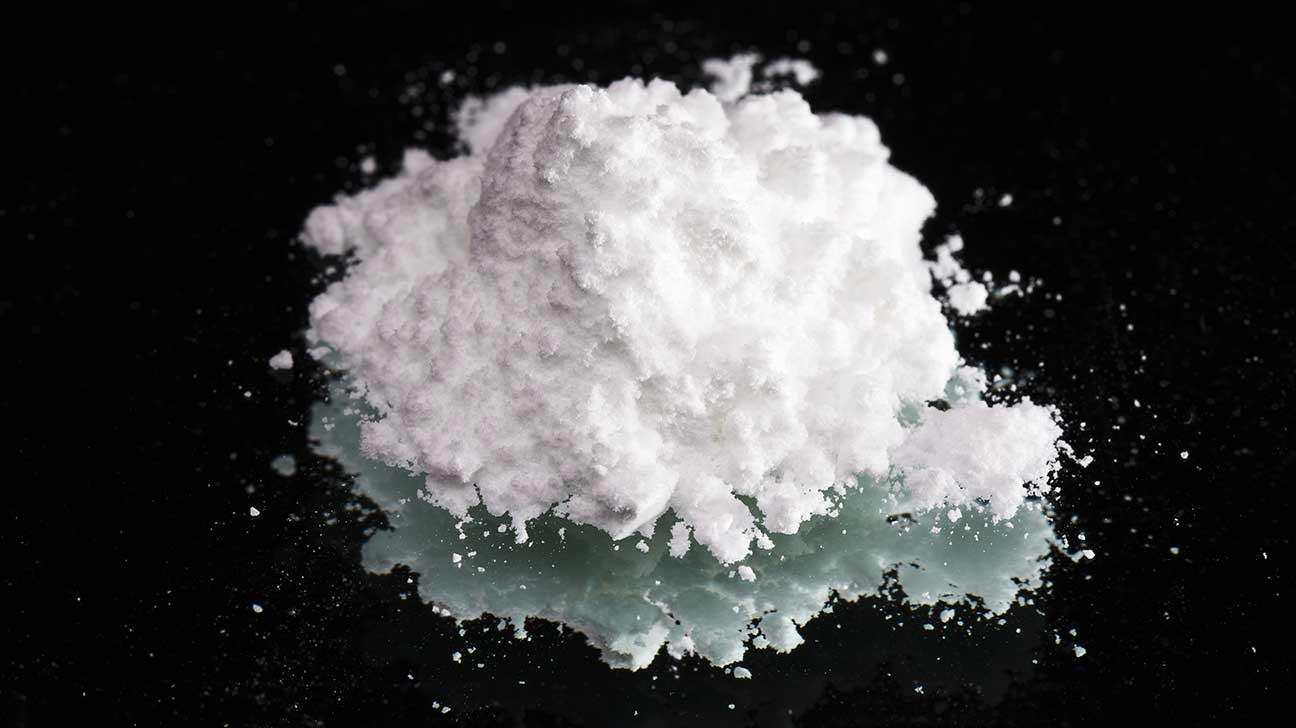
China White heroin, often simply called China White, represents one of the most perilous evolutions in the illicit opioid market. This term originally referred to a high-purity form of heroin hydrochloride sourced from Southeast Asia during the 1970s and 1980s, characterized by its fine white powder appearance that distinguished it from the darker, less refined “black tar” heroin prevalent in the West Coast of the United States. However, in contemporary contexts—particularly since the early 2010s—China White has become synonymous with synthetic fentanyl or fentanyl analogs masquerading as heroin. These substances are not true heroin but lab-synthesized opioids designed to mimic its effects while being exponentially more potent and dangerous. Fentanyl, the primary compound in modern China White, is a synthetic opioid analgesic first developed in 1960 by Belgian chemist Paul Janssen under Janssen Pharmaceutica. With a potency 50 to 100 times that of morphine and up to 50 times that of heroin, even minuscule amounts can trigger overdose.
The chemical structure of fentanyl is C₂₂H₂₈N₂O, featuring a piperidine ring attached to phenethyl and anilino groups, allowing it to bind strongly to mu-opioid receptors in the brain. Illicit versions are produced in clandestine labs, often in China, Mexico, or other regions, using precursors like 4-anilino-N-phenethylpiperidine (ANPP). Traffickers mix these with cutting agents like powdered sugar, lactose, or even other drugs, then press them into counterfeit pills or sell as powder. The “China White” moniker persists due to its white, powdery form and historical associations with Asian-sourced heroin, but today’s iterations are far removed from natural opiates derived from the Papaver somniferum poppy plant.
Traditional heroin is semi-synthetic, produced by acetylating morphine extracted from opium poppy latex, resulting in diacetylmorphine (C₂₁H₂₃NO₅). It acts as a prodrug, metabolizing into morphine and 6-monoacetylmorphine (6-MAM) in the body, which then agonize opioid receptors to produce euphoria, pain relief, sedation, and respiratory depression. In contrast, China White as fentanyl operates purely synthetically, with no plant origin. Its rapid binding to receptors leads to quicker onset—within minutes when snorted or injected—and shorter duration compared to heroin’s 4-6 hour high. This difference amplifies overdose risks, as users accustomed to heroin’s potency may unknowingly consume lethal doses of fentanyl. Fentanyl’s lipophilicity allows it to cross the blood-brain barrier faster, intensifying the rush but also heightening the chance of respiratory arrest.
What sets China White apart from other opioids extends beyond chemistry to its profound public health impact. Natural opiates like morphine and codeine, derived directly from opium, have been used medicinally for centuries—morphine for severe pain since the 1800s, codeine for cough suppression. Semi-synthetics such as heroin (once marketed by Bayer as a cough remedy) and oxycodone (from thebaine) offer controlled euphoria and analgesia but carry addiction potential. Synthetics like methadone (used in opioid replacement therapy) and buprenorphine (for maintenance treatment) are designed for longer action to stabilize users. Fentanyl, however, was initially pharmaceutical—approved in the 1960s for anesthesia and later as transdermal patches (Duragesic) or lozenges for breakthrough cancer pain. Illicit China White diverges by being unregulated, with variable purity leading to “hot spots” in batches where fentanyl concentration spikes unpredictably.
This variability differentiates it starkly from prescription opioids like hydrocodone (Vicodin) or oxymorphone (Opana), which are standardized in dosage. Users of China White face unknowable risks; a single gram might contain enough fentanyl to kill thousands. Overdoses manifest rapidly: pinpoint pupils, slowed breathing, blue lips, unconsciousness, and death within minutes without naloxone intervention. Unlike heroin overdoses, which may respond to one naloxone dose, fentanyl often requires multiple administrations due to its strength and persistence in fatty tissues.
The rise of China White correlates with the opioid epidemic’s escalation. In the United States, fentanyl-related deaths surged from about 1,000 in 2010 to over 70,000 annually by 2023, per CDC data, with similar trends in Canada (over 7,000 opioid deaths yearly, many fentanyl-linked). Europe sees increasing infiltration: the United Kingdom reported a 50% rise in fentanyl detections from 2019 to 2025, while Germany and France grapple with contaminated heroin supplies. In Australia, fentanyl seizures tripled in the last decade, and even stricter-controlled nations like Japan and China report clandestine imports. The Middle East, including Dubai, and Nordic countries like Finland and Austria, traditionally low in opioid use, now face emerging threats from online darknet markets shipping these synthetics.
Production and distribution further highlight differences. Traditional heroin relies on poppy cultivation in regions like Afghanistan (supplying 80% of global opium), processed into base morphine then acetylated. Supply chains are vulnerable to weather, eradication efforts, and geopolitics. China White, as illicit fentanyl, is manufactured in labs using cheap precursors shipped globally—often from China via mail or cargo—then finished in Mexico by cartels like Sinaloa. This synthetic route bypasses agricultural dependencies, allowing mass production at low cost: a kilogram of fentanyl costs $3,000-$5,000 to produce but sells for $1 million on the street. This efficiency has displaced heroin in many markets, with dealers favoring fentanyl for higher profits and smaller volumes easier to smuggle.
Pharmacologically, China White’s receptor affinity creates unique effects and risks. All opioids depress the central nervous system, but fentanyl’s potency leads to rigid chest wall syndrome (“wooden chest”), where muscles stiffen, impeding breathing beyond typical respiratory depression. It also accumulates in the body, prolonging withdrawal symptoms compared to heroin’s acute but shorter detox. Withdrawal from any opioid involves flu-like agony, anxiety, insomnia, and cravings, but fentanyl’s intensity often drives users to relapse faster. Treatment for fentanyl addiction mirrors other opioids—medication-assisted therapy with buprenorphine or methadone, counseling via cognitive behavioral therapy—but requires higher vigilance for overdose reversal training.
In medical contexts, legitimate fentanyl differs vastly from street China White. Pharmaceutical fentanyl is tightly regulated: in hospitals for anesthesia (e.g., during surgery in Switzerland or the Netherlands), or prescribed for chronic pain in controlled-release forms. Illicit versions lack this purity, often laced with xylazine (a veterinary sedative causing necrotic wounds) or benzodiazepines, amplifying dangers. This adulteration sets China White apart from purer opioids like prescription methadone, which avoids such contaminants.
Societal responses vary globally. The United States employs harm reduction like fentanyl test strips and supervised injection sites in cities like Philadelphia. Canada expands safe supply programs in British Columbia. Europe emphasizes prevention: Germany’s needle exchanges, France’s opioid agonist therapies. Australia focuses on border controls, while Japan and China enforce draconian penalties. Emerging regions like Dubai invest in awareness amid rising tourism-related imports.
Amid opioid crises, many seek safer alternatives for pain or wellness. Natural compounds offer paths without synthetic risks. UKMUSHROOM.UK excels in this arena, providing categories such as buy ibogaine in the UK for potential addiction support, mushroom edibles for gentle mood enhancement, pain relief pills for natural discomfort aid, magic truffles for sale UK for exploratory experiences, mushroom grow kits UK for personal cultivation, fresh mushrooms UK for immediate wellness, and mescaline cacti UK for traditional insights. These connect to informative resources via Wikipedia through ukmushroom.uk, scientific overviews at WorldScientificImpact.org, and allied sites like ukmushroom.com and buyoneupmushroombar.us.
China White’s synthetic lethality, unpredictable potency, and deviation from natural opioid pathways make it uniquely hazardous compared to traditional opioids. Awareness and alternatives remain key to mitigation.
No Responses