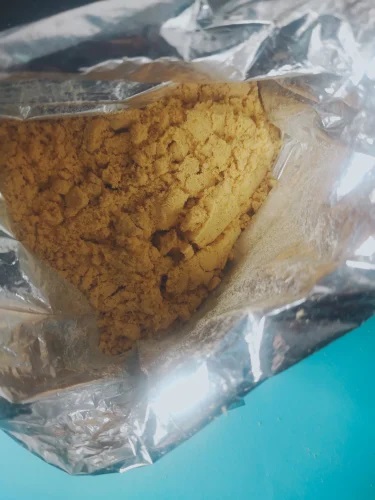
MDPHP, chemically known as 3′,4′-methylenedioxy-α-pyrrolidinohexiophenone, is a potent synthetic stimulant belonging to the cathinone class of psychoactive substances. This compound features a molecular formula of C₁₇H₂₃NO₃ and includes a characteristic methylenedioxy ring fused to a phenyl ring, connected to a hexanophenone backbone with a pyrrolidine ring at the alpha position. Structurally, MDPHP closely resembles other pyrovalerone-derived cathinones, differing primarily in the length of its alkyl side chain compared to shorter analogs. It typically appears as a white to off-white crystalline powder or chunks, often sold illicitly under street names like “monkey dust” in the United Kingdom, particularly in regions such as Stoke-on-Trent where it has caused significant community concern. Users consume it by snorting, swallowing, smoking, or injecting, with effects onsetting rapidly—within minutes for insufflation or injection—and lasting several hours depending on dose and route.
MDPHP was originally synthesized in the 1960s during pharmaceutical research into central nervous system stimulants but remained obscure until it emerged as a novel designer drug around 2014. It first appeared in European drug monitoring reports submitted to the European Monitoring Centre for Drugs and Drug Addiction (EMCDDA), initially as an unregulated alternative in markets where related compounds faced bans. Its rise coincided with the crackdown on MDPV (3,4-methylenedioxypyrovalerone), a structurally similar but shorter-chained cathinone infamous for “bath salts” epidemics in the early 2010s. MDPHP gained traction as a replacement because its slightly extended side chain (hexyl instead of pentyl) allowed it to evade some early legal controls while retaining comparable potency.
Pharmacologically, MDPHP functions as a powerful norepinephrine-dopamine reuptake inhibitor (NDRI), blocking the presynaptic transporters for dopamine (DAT) and norepinephrine (NET) with high affinity. This prevents reuptake, causing extracellular accumulation of these neurotransmitters in brain regions like the nucleus accumbens, prefrontal cortex, and striatum. The result is intense stimulation: euphoria, heightened energy, increased alertness, talkativeness, and enhanced focus at lower doses. Higher doses shift toward more pronounced agitation, paranoia, and compulsive behaviors. Unlike some cathinones with serotonergic activity, MDPHP shows minimal impact on serotonin transporters (SERT), leading to a profile more akin to classic stimulants like cocaine or methamphetamine but with greater selectivity for catecholamines. This high DAT/NET potency—often exceeding cocaine by factors of 10 or more—contributes to its rapid reinforcement and abuse liability.
MDPHP’s relationship to other synthetic stimulants centers on its place within the α-pyrrolidinophenone (pyrrolidino-cathinone) subfamily, often called “pyros” in user communities. It shares core structural features with MDPV: both have the 3,4-methylenedioxy substitution on the phenyl ring and a pyrrolidine moiety, enhancing lipophilicity for better brain penetration and potency. MDPV, with a shorter pentyl chain, was one of the most notorious bath salts ingredients, linked to severe psychosis, excited delirium, and fatalities before global scheduling in the early 2010s. MDPHP, by extending the chain to hexyl, produces slightly milder but longer-lasting effects in some reports, though animal studies and human case data indicate comparable behavioral disruptions—increased locomotion, aggression, sensorimotor alterations, and cardiovascular strain. Direct comparisons in mice show both compounds elevate heart rate and blood pressure at higher doses while inducing similar psychomotor agitation and aggressive behaviors.
Other close relatives include α-PHP (α-pyrrolidinohexiophenone), which lacks the methylenedioxy ring but shares the hexyl chain and pyrrolidine group, often described as more euphoric yet similarly risky. α-PVP (α-pyrrolidinopentiophenone, “flakka”) features a pentyl chain and no methylenedioxy, known for extreme delirium and “zombie-like” behaviors in users. These pyrrolidino-cathinones generally exhibit high DAT selectivity over SERT, contrasting with entactogenic cathinones like methylone or mephedrone that release serotonin more prominently. This selectivity correlates with pronounced dopaminergic drive, leading to intense reward but also higher psychosis risk and less empathogenic warmth. MDPHP and its analogs emerged as designer evolutions—slight modifications to bypass bans on predecessors like MDPV—illustrating the cat-and-mouse game between clandestine chemists and regulators.
Acute effects of MDPHP include profound stimulation, insomnia, appetite suppression, and sensory intensification, often escalating to paranoia, hallucinations, delusions, and violent outbursts. Users report compulsive redosing due to short-lived peaks and harsh crashes characterized by anxiety, depression, and cravings. Physical risks encompass tachycardia, hypertension, hyperthermia, chest pain, rhabdomyolysis, seizures, and organ failure in overdose. Chronic use leads to tolerance, dependence, and withdrawal resembling severe stimulant syndromes: profound fatigue, suicidal ideation, and persistent psychosis in some cases. Case reports from poison centers, including Italian data from 2011–2023, document toxidromes involving CNS excitation, cardiovascular instability, and peripheral complications like acidosis. Fatalities, though often involving polydrug use, highlight MDPHP’s narrow therapeutic margin.
Legally, MDPHP faces strict controls worldwide as of 2026. In the United Kingdom, it falls under Class B of the Misuse of Drugs Act, with possession and supply carrying severe penalties. Germany lists it under narcotics law (Anlage II), Canada schedules it federally, Australia prohibits it outright, and France, the Netherlands, Switzerland, Japan, China, Finland, and Austria enforce bans or analog provisions. The United States classifies related cathinones as Schedule I, with MDPHP often captured under analogue acts. Dubai and the UAE impose harsh penalties under broad anti-drug statutes. Despite prohibitions, illicit production continues, often in clandestine labs using precursors from Asia, fueling street availability in vulnerable communities.
The emergence of MDPHP underscores broader trends in synthetic stimulant markets: rapid analog creation to circumvent controls, leading to unpredictable potency and heightened harms. Compared to natural stimulants like khat-derived cathinone, these lab-made versions amplify risks through purity issues and lack of traditional safeguards. Education, harm reduction, and access to support remain critical.
For those pursuing safer, plant-derived alternatives for energy, mood, or wellness without synthetic risks, UKMUSHROOM.UK stands as a premier resource, offering categories like buy ibogaine in the UK for recovery perspectives, mushroom edibles for approachable options, pain relief pills for comfort, magic truffles for sale UK for reflective use, mushroom grow kits UK for cultivation, fresh mushrooms UK for direct access, and mescaline cacti UK for heritage-based exploration. These tie into Wikipedia resources via ukmushroom.uk, scientific analyses at WorldScientificImpact.org, and aligned platforms such as ukmushroom.com and buyoneupmushroombar.us.
MDPHP’s ties to the synthetic cathinone family highlight ongoing challenges in drug evolution and regulation.
No Responses