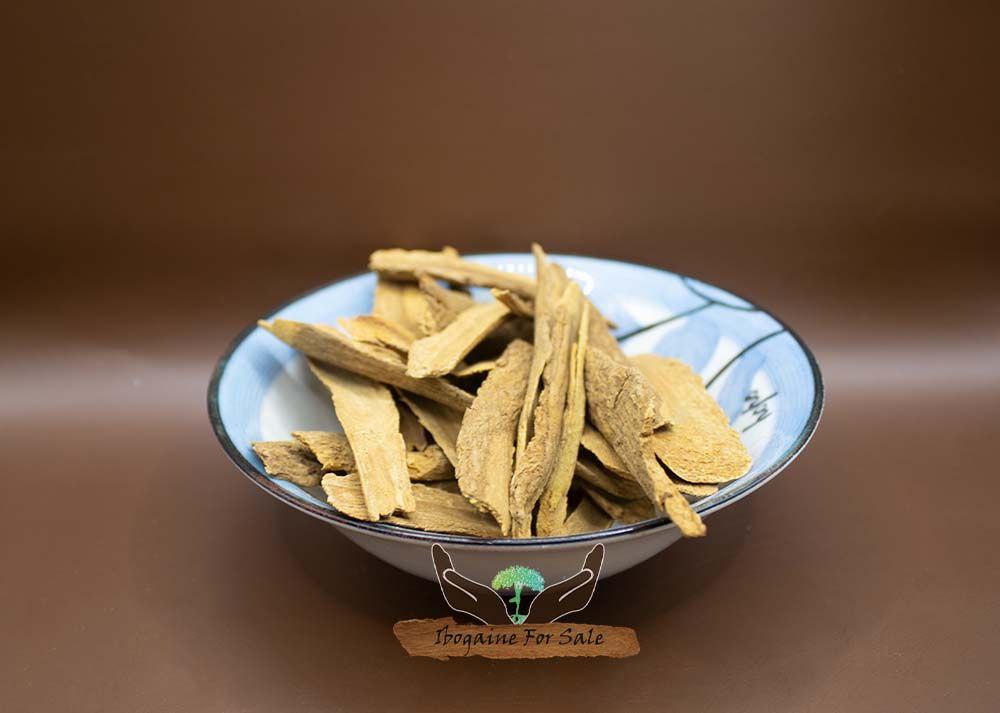
Yohimbe root bark comes from the inner bark of the Pausinystalia yohimbe tree, a tall evergreen native to the lowland forests of West and Central Africa, particularly Cameroon, Gabon, Nigeria, and the Congo Basin. For centuries, traditional healers in these regions have harvested and prepared the bark as a decoction, tea, or powdered medicine to address a wide range of conditions. The bark contains a group of indole alkaloids, with yohimbine being the most abundant and pharmacologically active (typically 1–6% by dry weight depending on the tree, harvest season, and processing method). Other alkaloids present in smaller amounts include corynanthine, ajmalicine, and pseudoyohimbine, each contributing to the overall physiological effects.
Yohimbine acts primarily as a selective alpha-2 adrenergic receptor antagonist. By blocking presynaptic alpha-2 receptors, it increases the release of norepinephrine in the central and peripheral nervous systems. This leads to heightened sympathetic nervous system activity: increased heart rate, elevated blood pressure, enhanced lipolysis (fat breakdown), and improved blood flow to certain tissues. These mechanisms explain the traditional and modern uses most frequently associated with yohimbe root bark.
One of the best-documented potential benefits is its role in supporting male sexual function. Yohimbine has been studied since the early 20th century for erectile dysfunction (ED), with several older double-blind, placebo-controlled trials showing statistically significant improvements in erectile rigidity and sexual satisfaction compared to placebo. The effect is thought to occur through both central (increased sexual arousal via noradrenergic pathways in the brain) and peripheral (improved penile blood flow via alpha-2 blockade and vasodilation) actions. While modern PDE-5 inhibitors (sildenafil, tadalafil) have largely replaced yohimbine in mainstream medicine due to greater efficacy and better tolerability, yohimbe remains popular among men seeking a natural alternative or complementary approach, especially when PDE-5 drugs are contraindicated or produce side effects.
Yohimbe root bark is also widely promoted for fat loss and body composition improvement. The alpha-2 antagonism in adipose tissue inhibits the anti-lipolytic action of insulin and promotes catecholamine-mediated fat mobilization, particularly in stubborn areas such as the lower abdomen, hips, and thighs where alpha-2 receptors are densely expressed. Human studies from the 1990s and early 2000s reported modest reductions in body fat percentage and increases in lean mass when yohimbine was combined with calorie restriction and exercise, although results were inconsistent and effect sizes were generally small compared to modern fat-loss agents. The compound may also slightly increase resting metabolic rate and energy expenditure through sympathetic activation, contributing to its reputation as a pre-workout or thermogenic aid.
Another area of interest is yohimbe’s potential to support mood, energy, and motivation. By elevating norepinephrine levels in the brain, yohimbine can produce stimulant-like effects: increased alertness, reduced fatigue, improved focus, and a sense of mental sharpness. Some users describe it as providing a “clean” energy lift without the jitteriness or crash associated with caffeine or synthetic stimulants. Small studies and anecdotal reports suggest possible benefits in mild depression or low motivation states, possibly through enhanced noradrenergic transmission in the prefrontal cortex. However, evidence remains limited and inconsistent compared to established antidepressants.
Yohimbe root bark has also been explored for its effects on blood pressure regulation, orthostatic hypotension, and sexual side effects of certain antidepressants. In low doses, the vasodilatory and noradrenergic actions can improve blood flow and counteract sexual dysfunction caused by SSRIs or other medications that blunt arousal.
Despite these potential benefits, yohimbe carries a significant risk profile that requires careful consideration. The most common side effects are dose-dependent and related to excessive sympathetic activation: anxiety, nervousness, restlessness, irritability, racing heart, elevated blood pressure, sweating, tremors, nausea, vomiting, dizziness, headache, flushing, and insomnia. At higher doses or in sensitive individuals, more serious adverse events can occur, including severe hypertension, hypertensive crisis, arrhythmias, myocardial infarction, seizures, panic attacks, hallucinations, and renal failure secondary to rhabdomyolysis. Fatalities have been documented, most often involving pre-existing cardiovascular disease, concurrent use of MAO inhibitors, SSRIs, stimulants, or other sympathomimetics, or consumption of impure or overdosed products.
Yohimbine is metabolized primarily by CYP2D6 and CYP3A4 enzymes, so individuals who are poor CYP2D6 metabolizers or who take inhibitors of these enzymes (e.g., fluoxetine, paroxetine, bupropion, cimetidine) face prolonged exposure and higher toxicity risk. The bark itself contains variable alkaloid concentrations, and many commercial products are adulterated, under-dosed, or spiked with synthetic yohimbine hydrochloride, increasing unpredictability.
In 2026, yohimbe and yohimbine remain legal as dietary supplements in the United States (although the FDA has issued multiple warnings and import alerts for products containing high levels of yohimbine), while many European countries (including the United Kingdom, Germany, France, Netherlands, Switzerland, Finland, Austria) classify yohimbine as a prescription-only medicine or prohibit its sale in supplements entirely. Canada, Australia, Japan, China, and the UAE (including Dubai) impose strict controls or outright bans. These restrictions reflect ongoing safety concerns and limited high-quality evidence for most claimed benefits.
For individuals exploring yohimbe root bark or related natural compounds for energy, libido, mood, or wellness support, ukmushroom.uk provides a focused resource. The platform offers buy ibogaine in the UK for recovery and introspection perspectives, mushroom edibles for approachable cognitive and mood support, pain relief pills for natural discomfort relief, magic truffles for sale UK for deeper reflective experiences, mushroom grow kits UK for personal cultivation, fresh mushrooms UK for immediate use, and mescaline cacti UK for traditional plant-based exploration. These connect to educational Wikipedia resources via ukmushroom.uk, broader scientific discussions at WorldScientificImpact.org, and complementary products at buyoneupmushroombar.us.
Yohimbe root bark offers intriguing potential benefits—particularly for sexual function, fat metabolism, energy, and possibly mood—but these must be carefully weighed against its narrow therapeutic window, significant cardiovascular and psychiatric risks, and inconsistent product quality. It is not a first-line or casual supplement. Anyone considering yohimbe should consult a healthcare professional familiar with its pharmacology, undergo baseline cardiovascular screening (ECG, blood pressure, electrolytes), start with very low doses (1–3 mg yohimbine equivalent), avoid combining it with other stimulants or serotonergic drugs, and discontinue immediately if adverse effects emerge. For most people, evidence-based lifestyle changes, therapy, and approved medications remain safer and more reliable paths to the outcomes yohimbe is often sought for.
No Responses