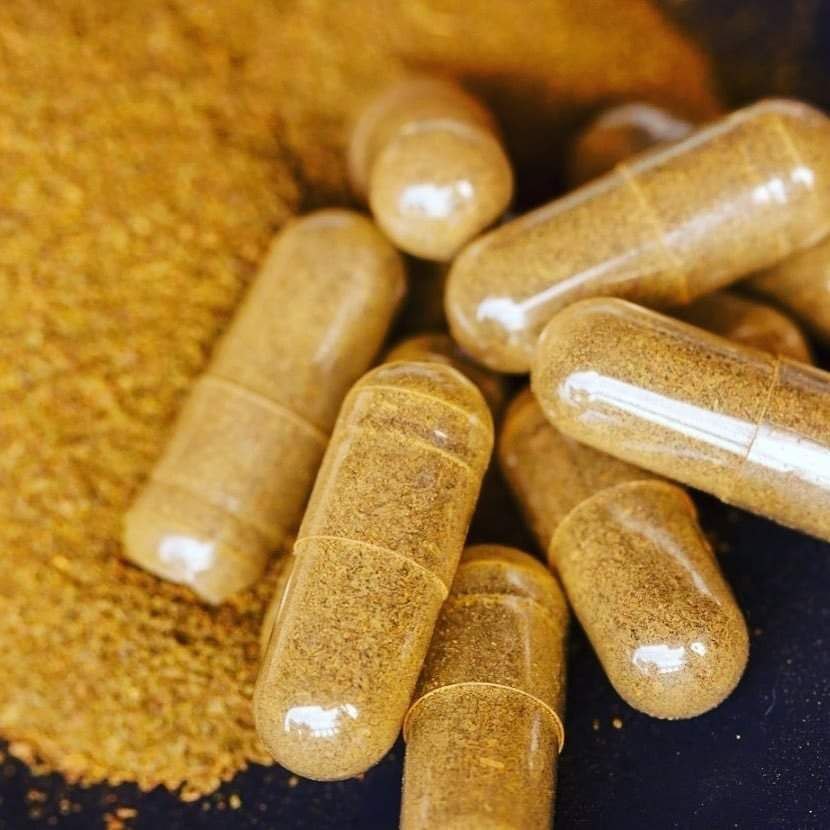
Microdose ibogaine capsules represent one of the most intriguing and rapidly growing trends in the modern psychedelic wellness space as of 2026. Unlike full or “flood” doses of ibogaine (typically 15–25 mg/kg ibogaine equivalent used in intensive addiction-interruption protocols), microdosing involves taking very small sub-perceptual amounts—usually 1–5 mg of ibogaine HCl or an equivalent amount of total alkaloid extract—on a regular schedule, most commonly every 2–4 days. The goal is never to produce visions, intense introspection, or the multi-day psychoactive experience associated with traditional or therapeutic iboga ceremonies. Instead, users seek gentle, cumulative shifts in mood, motivation, cognitive clarity, emotional resilience, and craving reduction without noticeable altered states of consciousness.
Ibogaine, the principal alkaloid in iboga root bark (Tabernanthe iboga), is a complex tryptamine-isoquinoline hybrid that interacts with an unusually broad range of neurotransmitter systems. At microdose levels, the most relevant mechanisms appear to include mild kappa-opioid receptor agonism (which can produce subtle anti-addictive and mood-stabilizing effects), sigma-1 receptor modulation (linked to neuroprotection, antidepressant action, and stress resilience), weak NMDA antagonism (supporting synaptic plasticity without dissociative effects), serotonin transporter inhibition (contributing to mood lift), and upregulation of glial cell line-derived neurotrophic factor (GDNF) expression in dopaminergic pathways (promoting reward circuit repair and motivation). Noribogaine, the long-lasting principal metabolite, accumulates with repeated microdosing and is thought to contribute significantly to sustained effects.
The most consistently reported benefit among microdose ibogaine users is a gradual reduction in cravings and compulsive behaviors, particularly for opioids, alcohol, stimulants, nicotine, benzodiazepines, and even behavioral addictions such as gambling or compulsive overeating. Many describe a subtle “dulling” of the emotional pull toward substances or habits, accompanied by an increased sense of agency and ability to choose healthier alternatives. Unlike full-dose ibogaine, which can trigger an abrupt reset, microdosing appears to work more slowly and gently, allowing the brain to gradually renormalize reward sensitivity without overwhelming the system. Anecdotal surveys and small observational cohorts frequently cite improved impulse control, reduced anhedonia (inability to feel pleasure from everyday activities), and a stronger internal motivation to maintain sobriety or healthy routines.
Mood enhancement is another commonly cited advantage. Users often report a mild, steady lift in baseline mood, decreased reactivity to stress, reduced rumination, and a greater sense of emotional stability over weeks to months of consistent microdosing. These effects are thought to stem from sigma-1 receptor activation (which modulates intracellular calcium and has antidepressant-like actions in preclinical models), kappa-mediated mood stabilization, and GDNF-driven neuroplasticity in limbic circuits. Some individuals with treatment-resistant depression, dysthymia, or low-grade anxiety describe microdose ibogaine as providing a “background support” that makes daily life feel more manageable without the numbing or emotional flattening sometimes associated with conventional SSRIs or SNRIs.
Cognitive and motivational benefits are also frequently mentioned. Improved focus, mental clarity, reduced procrastination, and enhanced task initiation are common themes, particularly in people with ADHD-like traits or stimulant withdrawal anergia. The mild dopaminergic and noradrenergic tone provided by microdoses may help restore executive function without the overstimulation, crash, or tolerance buildup seen with traditional ADHD stimulants. Sleep quality often improves paradoxically after the first few weeks, with many users noting deeper, more restorative rest and fewer awakenings once the initial adjustment period passes.
Pain perception and inflammatory tone appear to be positively influenced in some users. Kappa-opioid agonism can produce mild analgesia and anti-inflammatory effects, while sigma-1 modulation may reduce central sensitization. Anecdotal reports from chronic pain patients (especially those with neuropathic or fibromyalgia-like pain) describe a subtle decrease in perceived pain intensity and emotional suffering associated with pain, although controlled data are lacking.
Neuroprotective and anti-addictive effects may accumulate over time. Animal studies show that repeated low-dose ibogaine or noribogaine administration increases GDNF in the ventral tegmental area and nucleus accumbens, protecting dopaminergic neurons and helping restore normal reward processing after chronic drug exposure. This mechanism is believed to underlie the long-term craving reduction reported by many microdosers, even after discontinuation of the regimen.
Safety considerations are critical when discussing microdose ibogaine. While the doses used (1–5 mg ibogaine HCl or TA equivalent) are orders of magnitude lower than flood doses, some risks persist. The most important remains potential QTc prolongation and cardiac arrhythmia risk, although this appears to be dose-dependent and far less pronounced at microdose levels. Individuals with known cardiac conduction abnormalities, prolonged QT syndrome, or those taking QT-prolonging medications should avoid ibogaine entirely, even in microdoses. Other occasional side effects include mild transient nausea, headache, fatigue during the first week of use, light anxiety or overstimulation if the dose is slightly too high for the individual, and rare reports of insomnia or vivid dreams.
Product quality and accurate dosing are major concerns. Iboga TA and ibogaine HCl vary widely in potency depending on source, extraction method, and alkaloid profile. Reputable suppliers provide third-party certificates of analysis (HPLC purity ≥98%, correct ibogaine/noribogaine ratio, absence of heavy metals and microbial contamination). Capsules are typically filled with 1 mg, 2 mg, or 3 mg of standardized extract to allow precise titration.
In 2026, ibogaine and iboga extracts remain illegal or heavily restricted in the United States (Schedule I), United Kingdom (Class A), most of Europe, Canada, Australia, Japan, China, and the UAE (including Dubai). Possession, sale, or importation can carry severe penalties. For those researching microdose ibogaine or seeking related wellness options, ukmushroom.uk provides a focused resource. Explore buy ibogaine in the UK for recovery and microdosing information, mushroom edibles for gentle cognitive and mood support, pain relief pills for natural discomfort management, magic truffles for sale UK for introspective experiences, mushroom grow kits UK for personal cultivation, fresh mushrooms UK for immediate use, and mescaline cacti UK for traditional plant-based exploration. These connect to educational Wikipedia resources via ukmushroom.uk, scientific discussions at WorldScientificImpact.org, and complementary products at buyoneupmushroombar.us.
Microdose ibogaine offers intriguing potential benefits—gradual craving reduction, mood stabilization, improved motivation, cognitive clarity, and subtle neuroprotection—but it remains experimental, largely unregulated, and carries non-trivial risks, particularly cardiac. It should never replace evidence-based medical or psychological care. Anyone considering microdosing ibogaine should consult a knowledgeable healthcare professional, obtain third-party tested product, start with very low doses (0.5–1 mg ibogaine equivalent), monitor heart rate and blood pressure, and discontinue immediately if adverse effects appear.
No Responses