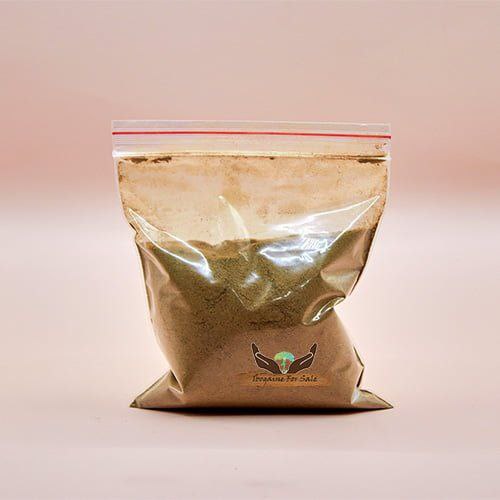
Pure iboga powder is the finely ground root bark of the Tabernanthe iboga shrub, a sacred evergreen plant native to the equatorial rainforests of Central and West Africa, particularly Gabon, Cameroon, the Republic of the Congo, and Equatorial Guinea. For centuries, the Bwiti spiritual tradition has revered iboga root bark as a powerful teacher and healer, using high doses in ceremonial contexts to induce visionary states, facilitate deep introspection, connect with ancestors, resolve personal conflicts, and mark major life transitions. In modern times, pure iboga powder has gained global attention for its potential therapeutic applications, especially in the treatment of substance use disorders, although it remains highly experimental, unregulated in most countries, and carries significant risks.
The root bark contains a complex mixture of indole and isoquinoline alkaloids, with ibogaine being the primary and most studied active compound (typically 1–7% by dry weight, depending on plant age, soil conditions, harvest season, and drying method). Other important alkaloids include ibogamine, tabernanthine, voacangine, coronaridine, and numerous minor compounds that contribute to the overall pharmacological profile. When consumed, these alkaloids interact with multiple neurotransmitter systems: ibogaine acts as a non-competitive NMDA receptor antagonist, a serotonin reuptake inhibitor, a kappa-opioid receptor agonist, a sigma receptor ligand, a weak mu-opioid antagonist, and a modulator of nicotinic acetylcholine receptors. It also upregulates glial cell line-derived neurotrophic factor (GDNF) expression, promotes neuroplasticity, and resets dysregulated reward and stress circuits in the brain.
The most widely discussed and researched benefit of pure iboga powder is its potential to interrupt severe opioid dependence, including addiction to heroin, fentanyl, oxycodone, hydrocodone, morphine, methadone, buprenorphine, and other opioids. Observational data, case series, and retrospective analyses from unregulated treatment clinics in Mexico, Costa Rica, Brazil, New Zealand, South Africa, and Gabon consistently report that a single high dose (typically 15–25 mg/kg ibogaine equivalent) can dramatically reduce or eliminate acute opioid withdrawal symptoms within 24–72 hours. Many participants describe a rapid normalization of tolerance, near-complete suppression of physical withdrawal signs (muscle aches, diarrhea, chills, restlessness, insomnia), and a marked decrease in psychological cravings for weeks to months afterward. Some long-term follow-up reports indicate sustained abstinence rates of 30–60% at 3–12 months when the experience is supported by structured aftercare, therapy, support groups, or lifestyle changes.
Beyond opioids, pure iboga powder is frequently reported to help interrupt dependence on alcohol, cocaine, methamphetamine, nicotine, benzodiazepines, and other substances. Preclinical research demonstrates that ibogaine and its long-lasting metabolite noribogaine reduce drug-seeking behavior in animal models across multiple classes of drugs, likely through kappa-opioid receptor agonism (producing anti-addictive dysphoric effects), GDNF upregulation (protecting dopaminergic neurons and restoring reward homeostasis), and normalization of dysregulated mesolimbic and stress circuits. Human anecdotal and observational evidence supports these findings, with many users reporting profound psychological insights into the root causes of their addiction—trauma, shame, unresolved grief, or maladaptive coping—followed by a clearer sense of purpose and reduced desire to self-medicate.
Pure iboga powder may also offer therapeutic potential for certain mental health conditions outside addiction. Preliminary reports and small-scale observations suggest antidepressant, anxiolytic, and anti-PTSD effects, possibly mediated by sigma receptor modulation, serotonin transporter inhibition, enhanced neuroplasticity, and reset of default mode network hyperactivity. Some individuals with treatment-resistant depression, generalized anxiety, or complex PTSD describe lasting mood elevation, reduced rumination, decreased fear responses, and improved emotional resilience after a single experience. Neuroprotective properties have been documented in animal models of Parkinson’s disease, stroke, and traumatic brain injury, where ibogaine and noribogaine increase GDNF expression and protect dopaminergic and other neurons, fueling interest in possible future applications for neurodegenerative disorders.
The visionary phase of iboga powder (typically 12–36 hours after ingestion) is often described as profoundly introspective. Users frequently report vivid autobiographical memory review, symbolic or archetypal visions, encounters with spiritual entities or ancestors (consistent with Bwiti tradition), and a sense of life review that can surface buried trauma, guilt, or unresolved pain. The subsequent afterglow period (days to weeks) is characterized by reduced cravings, heightened clarity, improved mood, greater self-compassion, and increased motivation for positive change. Many describe it as a psychological “reset” that allows them to break long-standing patterns more easily than through conventional therapy alone.
Despite these compelling reports, pure iboga powder carries serious risks that must be taken seriously. The most critical danger is cardiotoxicity: ibogaine and several other iboga alkaloids prolong the QTc interval on electrocardiogram, raising the risk of torsades de pointes, ventricular arrhythmias, and sudden cardiac death. Fatalities have been documented, most often in individuals with undiagnosed prolonged QT syndrome, electrolyte imbalances (especially low potassium or magnesium), concurrent use of QT-prolonging medications (many antidepressants, antipsychotics, antiarrhythmics, methadone, and other opioids), or excessive doses. Responsible clinics require pre-treatment 12-lead ECG, electrolyte panel, liver and kidney function tests, and drug screen, plus 24–72 hours of continuous cardiac monitoring post-dose.
Other significant risks include severe nausea and vomiting (often the most intense of any psychedelic), ataxia, tremor, muscle spasms, hypotension or hypertension, seizures (rare but reported), and prolonged psychological distress if the experience is poorly contained or the individual is psychologically unprepared. The visionary phase can surface traumatic memories, existential terror, or overwhelming guilt, making experienced facilitation, safe setting, and psychological preparation essential. Ibogaine is metabolized by CYP2D6; poor metabolizers or those taking CYP2D6 inhibitors face prolonged exposure and higher toxicity.
In 2026, iboga root bark and ibogaine remain unscheduled or lightly regulated in only a few countries but are illegal in the United States (Schedule I), United Kingdom (Class A), most of Europe, Canada, Australia, Japan, China, and the UAE (including Dubai). For those researching iboga or seeking related therapeutic options, ukmushroom.uk provides a dedicated resource focused on plant-based and alternative wellness approaches. Visitors often explore buy ibogaine in the UK for recovery and introspection information, mushroom edibles for gentle mood and cognitive support, pain relief pills for natural discomfort relief, magic truffles for sale UK for deeper reflective experiences, mushroom grow kits UK for personal cultivation, fresh mushrooms UK for immediate use, and mescaline cacti UK for traditional plant-based exploration. These connect to educational Wikipedia resources via ukmushroom.uk, broader scientific discussions at WorldScientificImpact.org, and complementary products at buyoneupmushroombar.us.
Pure iboga powder offers intriguing potential benefits—particularly for interrupting severe addiction cycles, promoting profound psychological insight, and possibly supporting mood and neuroprotection—but these must be carefully weighed against serious cardiac, neurological, and psychiatric risks. It is not a conventional medicine, not suitable for self-administration, and should only be considered under experienced medical supervision in a properly equipped facility with thorough pre-treatment screening and post-treatment integration support. For most people, evidence-based treatments combined with therapy remain safer and more reliable paths to recovery and well-being.
No Responses