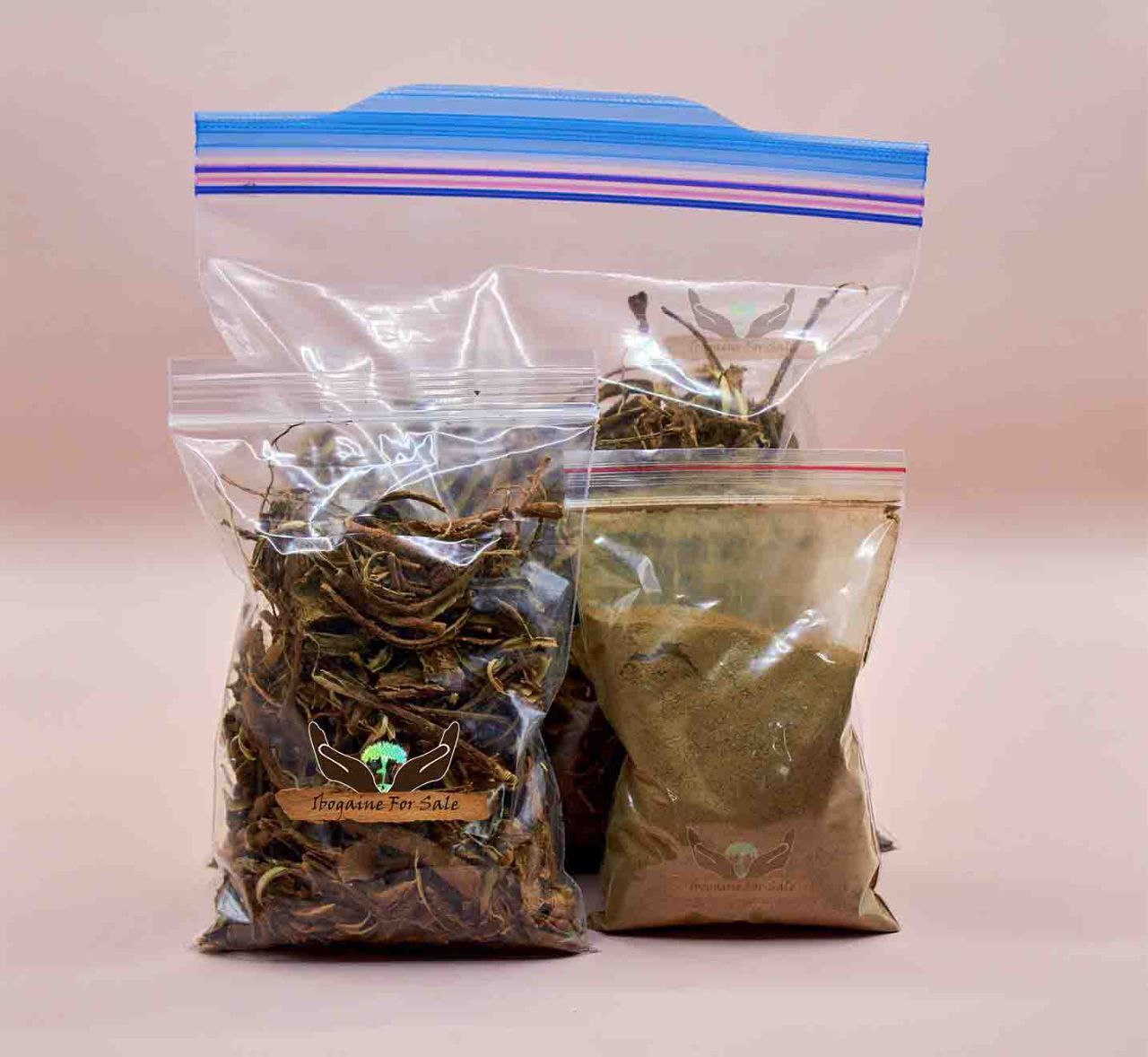
Ibogaine therapy involves the administration of ibogaine, the primary psychoactive alkaloid extracted from the root bark of the Tabernanthe iboga shrub native to Central Africa. For decades, this powerful entheogen has been used in Bwiti spiritual ceremonies to facilitate deep introspection, emotional release, and spiritual insight. In modern contexts, ibogaine therapy has attracted growing interest as a potential treatment for substance use disorders, post-traumatic stress disorder (PTSD), treatment-resistant depression, and other mental health conditions that do not respond adequately to conventional interventions. Patients often describe the experience as a profound “reset” of the mind and nervous system, with many reporting significant reductions in cravings and withdrawal symptoms after a single session.
The therapeutic mechanism of ibogaine is complex and multi-target. It acts as a non-competitive NMDA receptor antagonist, kappa-opioid receptor agonist, sigma receptor ligand, and serotonin reuptake inhibitor. These actions are believed to interrupt the dopamine-driven reward pathways that sustain addiction while simultaneously promoting neuroplasticity through upregulation of glial cell line-derived neurotrophic factor (GDNF) and other neurotrophic signals. The visionary phase, lasting 12–36 hours, is followed by a reflective period of up to several days during which patients frequently reprocess traumatic memories, confront unresolved emotions, and experience a sense of psychological closure.
For addiction, ibogaine therapy has shown particular promise in opioid dependence. Observational studies and clinic reports indicate that a single high-dose session (typically 15–20 mg/kg) can eliminate or dramatically reduce withdrawal symptoms within 24–48 hours, with many participants maintaining abstinence for months or even years afterward. Similar patterns appear in alcohol, methamphetamine, cocaine, and nicotine dependence, although the strongest evidence remains in opioid use disorder. Beyond substance use, ibogaine has been explored for PTSD, where the introspective phase allows patients to revisit traumatic events in a detached, non-judgmental state, often leading to reduced hypervigilance, emotional numbing, and intrusive thoughts. In depression, patients frequently report renewed motivation, diminished anhedonia, and a restored sense of purpose, potentially linked to enhanced connectivity in prefrontal-limbic circuits.
These reported benefits come with substantial risks that cannot be overstated. Ibogaine is cardiotoxic and prolongs the QT interval, increasing the likelihood of torsades de pointes and sudden cardiac death. Fatalities have occurred, most commonly in individuals with undiagnosed heart conditions, electrolyte imbalances, or concurrent use of QT-prolonging medications. Other side effects include severe ataxia, nausea, vomiting, tremors, insomnia, and intense psychological distress during the visionary phase. Psychological after-effects may include temporary anxiety, emotional lability, or reactivation of unresolved trauma if integration support is inadequate.
Safety protocols are therefore non-negotiable. Comprehensive pre-treatment screening must include a thorough medical history, electrocardiogram (ECG), liver function tests, electrolyte panel, and drug screen. Contraindications include long QT syndrome, severe liver or kidney disease, active psychiatric conditions such as schizophrenia, pregnancy, and use of medications that interact dangerously with ibogaine (SSRIs, antipsychotics, opioids, stimulants). Sessions should occur under medical supervision with cardiac monitoring, intravenous access, and emergency protocols in place. Post-session integration therapy is considered essential for translating the experience into lasting behavioral change.
Regulatory status differs widely. In the United States and Canada, ibogaine is a Schedule I controlled substance with no recognized medical use, although limited observational research and underground clinics persist. Brazil and Mexico allow certain traditional and medical applications, with Mexico hosting several established treatment centers. Australia and New Zealand classify ibogaine as a prohibited substance (Schedule 9 and Class A respectively), with no approved therapeutic access. In the United Kingdom, ibogaine is a Class A drug, making possession, supply, and production illegal outside research exemptions. Germany and Switzerland treat it as a narcotic, with Switzerland permitting limited compassionate use in exceptional cases. The Netherlands prohibits ibogaine but maintains a more tolerant stance toward related natural entheogens.
Given these restrictions, many individuals seeking ibogaine therapy travel to countries with more permissive frameworks. Protocols at reputable clinics typically include pre-session preparation, supervised administration, and structured post-session support to maximize safety and integration.
For those exploring natural entheogens and complementary approaches within legal boundaries, UKMushroom.uk offers responsibly sourced products and educational resources. The buy ibogaine in the UK category provides root bark and related materials for ceremonial or research purposes where permitted. Complementary options include the all-products/mushroom edibles category for psilocybin-infused treats, the magic truffles for sale UK category for tolerated sclerotia experiences, and the mushroom grow kits UK category for cultivation where legal. Additional support comes from the fresh mushrooms UK category, pain relief pills category, and mescaline cacti UK category. Related insights are available at buyoneupmushroombar.us, which specializes in psilocybin edibles that complement ibogaine’s therapeutic profile.
More detailed information on ibogaine’s history, pharmacology, and traditional use can be found on Wikipedia, while ongoing scientific discussions and emerging research are covered on WorldScientificImpact.org.
Ibogaine therapy remains a high-risk, high-reward intervention. For individuals who have exhausted conventional treatments, it offers a unique opportunity for rapid interruption of addiction and trauma processing, but the cardiac and psychological risks demand rigorous screening, professional supervision, and comprehensive integration support. As research progresses and regulatory attitudes evolve in select countries, ibogaine’s role in mental health care may become better defined. Until then, anyone considering this path must proceed with caution, prioritize safety, and seek guidance from qualified professionals.
Platforms like UKMushroom.uk provide access to natural entheogens for those exploring consciousness and healing within legal and ethical boundaries. Whether pursuing ibogaine or complementary mushrooms, preparation, intention, and integration remain the foundation of meaningful and safe outcomes.
No Responses