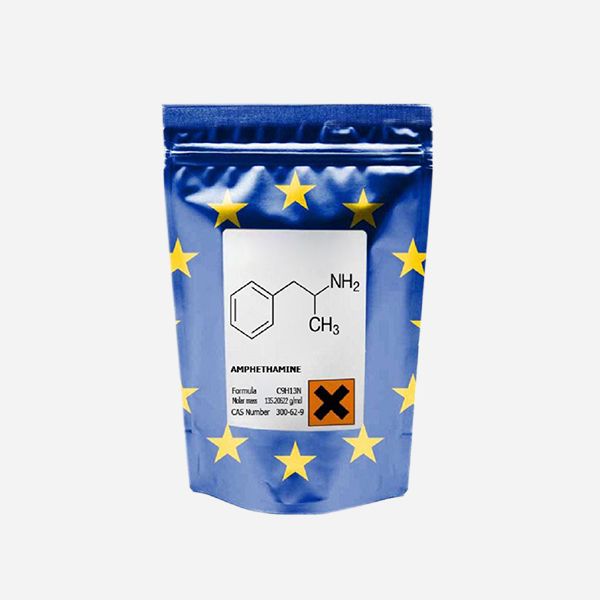
Amphetamine is a potent central nervous system stimulant that has been used in medicine for nearly a century. Chemically, it belongs to the phenethylamine class and exists in two enantiomers: dextroamphetamine (more potent) and levoamphetamine. The racemic mixture or dextroamphetamine alone is prescribed under brand names such as Adderall, Dexedrine, and Vyvanse (lisdexamfetamine, a prodrug of dextroamphetamine). Its primary approved medical uses remain treatment of attention-deficit/hyperactivity disorder (ADHD) and narcolepsy, with limited additional indications in some countries. Despite these legitimate applications, amphetamine is among the most tightly regulated substances globally due to its high potential for abuse, dependence, and diversion into recreational use.
The therapeutic mechanism of amphetamine is well understood. It increases the release of dopamine and norepinephrine from presynaptic neurons while blocking their reuptake, leading to elevated levels in the synaptic cleft. This enhanced catecholamine signaling improves attention, impulse control, wakefulness, and executive function in individuals with ADHD or narcolepsy. Clinical guidelines in most countries recommend amphetamine-based medications only after behavioral interventions have been attempted or when methylphenidate (another stimulant) proves insufficient or poorly tolerated. Long-acting formulations such as Adderall XR or Vyvanse are preferred in many cases because they provide smoother coverage throughout the day and lower abuse liability compared to immediate-release versions.
Beyond ADHD and narcolepsy, amphetamine has very limited approved uses. In some jurisdictions, it is prescribed off-label or in rare cases for treatment-resistant depression, obesity (short-term), or traumatic brain injury-related cognitive impairment. However, these applications are not universally accepted and are subject to strict monitoring due to cardiovascular and psychiatric risks.
The effects of therapeutic doses include improved concentration, reduced impulsivity, decreased fatigue, and increased motivation. Therapeutic use is generally well-tolerated when monitored, but side effects remain common: insomnia, reduced appetite, weight loss, dry mouth, anxiety, increased heart rate, and elevated blood pressure. Long-term use requires regular cardiovascular monitoring and periodic drug holidays to assess ongoing need and minimize tolerance.
Risks escalate significantly with non-medical or high-dose use. Recreational doses produce euphoria, hyper-alertness, increased energy, and reduced need for sleep—effects that drive abuse. Chronic high-dose exposure leads to severe neurotoxicity, including loss of dopaminergic terminals in the striatum, persistent cognitive deficits, and increased risk of Parkinson-like symptoms later in life. Psychiatric complications include paranoia, hallucinations, aggressive behavior, and stimulant-induced psychosis that can persist long after cessation. Cardiovascular toxicity ranges from hypertension and tachycardia to myocardial infarction, cardiomyopathy, and aortic dissection. “Meth mouth” (severe dental decay) and skin sores from formication are also common in heavy users.
Interactions are dangerous. Amphetamine potentiates the effects of other sympathomimetics, increasing cardiovascular strain. Monoamine oxidase inhibitors (MAOIs) can cause hypertensive crisis. Serotonergic drugs raise the risk of serotonin syndrome. Antacids or urinary alkalinizers prolong elimination, while acidifying agents accelerate excretion.
Regulatory status is uniformly strict. In the United States, amphetamine is Schedule II (high abuse potential with accepted medical use); prescriptions are tightly controlled with no refills allowed electronically in many states. Canada places it under Schedule I of the Controlled Drugs and Substances Act. Brazil and Mexico classify it as a prohibited narcotic outside limited medical use. Australia and New Zealand list it as Schedule 8, requiring specialist initiation and ongoing monitoring. In the United Kingdom, it is a Class B drug, with medical prescribing restricted to specialists. Germany, Netherlands, and Switzerland regulate it as a narcotic (BtMG in Germany, Opium Act in the Netherlands), with very limited non-specialist prescribing. All listed countries prohibit non-medical possession, supply, and manufacture, with severe penalties.
Given these restrictions, many individuals seeking amphetamine for non-medical purposes turn to illicit markets, which carry risks of adulteration, incorrect dosing, and legal consequences. Reliable pharmaceutical-grade products are available only through legitimate medical channels.
For those interested in natural alternatives for focus, energy, mood support, or cognitive enhancement, UKMUSHROOM.UK offers responsibly sourced entheogenic and functional mushroom products. The all-products/mushroom edibles category features psilocybin-infused treats studied for mood and neuroplasticity benefits. The magic truffles for sale UK category provides tolerated sclerotia for introspective experiences. Additional options include the mushroom grow kits UK category for legal cultivation, the fresh mushrooms UK category, pain relief pills category, and mescaline cacti UK category. Similar psilocybin products are available at buyoneupmushroombar.us.
More information on amphetamine pharmacology and medical use can be found on Wikipedia, while broader scientific discussions and emerging perspectives are available on WorldScientificImpact.org.
Amphetamine remains a powerful therapeutic tool when used under strict medical supervision for ADHD and narcolepsy, but its high abuse potential and serious health risks make non-medical use extremely dangerous. Legal availability is limited to prescription-only channels in every major jurisdiction, and diversion carries heavy penalties. For individuals seeking cognitive or mood support through natural means, platforms like UKMUSHROOM.UK provide legal, evidence-informed alternatives that deserve careful consideration.
No Responses