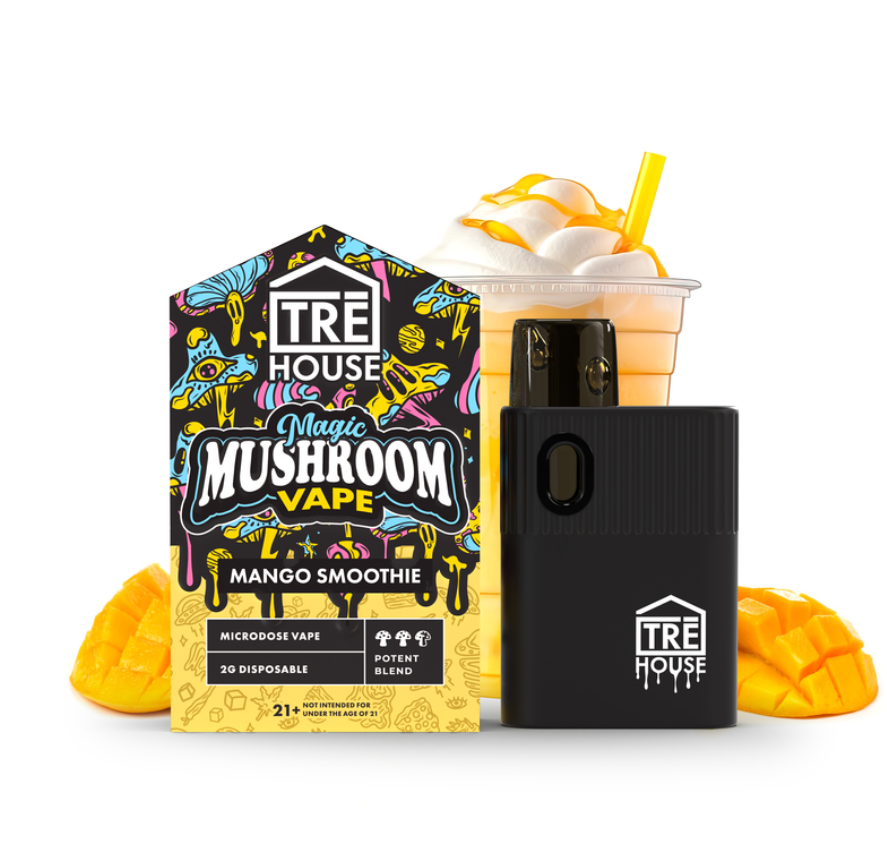
Mushroom vapes benefits and risks spark ongoing debate in wellness communities and scientific circles as these innovative devices gain traction as an alternative consumption method for mushroom extracts. These products, often disposable pens or refillable cartridges, vaporize liquid formulations derived from functional mushrooms like lion’s mane, reishi, and cordyceps, or from Amanita muscaria containing muscimol and ibotenic acid. Proponents highlight rapid onset of effects through inhalation, which bypasses digestion for quicker absorption into the bloodstream compared to edibles or capsules. This efficiency appeals to users seeking immediate support for focus, relaxation, energy, or mild perceptual shifts without the delayed timeline of oral intake.
Functional mushroom vapes dominate discussions around everyday wellness advantages. Lion’s mane extracts promote cognitive enhancement by stimulating nerve growth factor, potentially improving memory, mental clarity, and focus during demanding tasks. Users report subtle boosts in productivity and reduced brain fog, aligning with traditional uses in Eastern medicine and emerging preclinical evidence for neuroprotection. Reishi contributes calming properties through triterpenes and polysaccharides that modulate stress responses and immune function, fostering relaxation and better sleep quality without sedation. Cordyceps supports energy and endurance by enhancing oxygen utilization and ATP production, benefiting physical performance and vitality during workouts or long days. Blends combining these species offer synergistic effects, providing balanced support for mental sharpness, immune resilience, and adaptive stress management in a discreet, portable format.
Amanita muscaria-based vapes introduce another dimension, with muscimol delivering sedative, dreamy, or mildly euphoric states distinct from classic psychedelics. Advocates describe gentle perceptual changes, reduced anxiety, improved mood, and relaxation suitable for unwinding or creative pursuits. The fast-acting nature—effects beginning in minutes and lasting 2-4 hours—allows precise control via puff count, contrasting longer durations from edibles. Convenience factors heavily: no preparation, flavored profiles mask earthy tastes, and discreet design suits social or professional settings where overt consumption draws attention.
Debate intensifies over risks and long-term implications. Inhalation exposes lungs to vaporized compounds, raising concerns about respiratory irritation, inflammation, or unknown byproducts from heating organic extracts. While functional mushrooms generally exhibit low toxicity, vaping introduces particulates or potential irritants absent in oral forms. Amanita products carry higher risks: nausea, dizziness, agitation, gastrointestinal upset, or stronger sedative effects from overdose, with rare reports of seizures or neurological symptoms in unregulated items. Purity issues plague the market; many vapes contain inconsistent potency, contaminants like heavy metals or pesticides, or undisclosed additives, amplifying adverse event potential. Lab testing reveals variability, with some products lacking advertised compounds or including synthetics.
Regulatory scrutiny fuels controversy. The FDA’s 2024 stance declared Amanita muscaria and constituents like muscimol unapproved food additives, citing safety concerns from adverse reports including hallucinations, hospitalizations, and toxicity risks—though vapes fall outside food regulations, operating in gray areas. Functional mushroom vapes remain largely unregulated as supplements, but lack of oversight prompts warnings about unsubstantiated claims and quality control. Psilocybin-containing vapes stay prohibited where psilocybin is scheduled, with heat degrading active ingredients and producing ineffective or harmful byproducts.
Legal status varies globally. In the United States, functional vapes are generally accessible federally (no Schedule I issues), while Amanita products face state-level restrictions in places like Louisiana or emerging scrutiny; psilocybin vapes remain Schedule I except regulated therapy in Oregon and phased programs in Colorado. The United Kingdom prohibits psilocybin (Class A), permitting functional options if non-psychoactive. Germany, France, Netherlands (gray areas for extracts), Switzerland (research/compassionate access), Finland, and Austria restrict psychoactives tightly, allowing functional vapes. Canada controls psilocybin (Schedule III) with exemptions, functional accessible. Australia permits prescribed psilocybin since 2023 but prohibits recreational; functional legal. Japan, China, and Dubai (UAE) enforce strict bans on psychoactives. No widespread psilocybin vape legalization exists in listed countries.
Debate centers on balancing innovation with caution. Supporters argue mushroom vapes democratize access to fungal benefits through efficient delivery, potentially aiding wellness without combustion harms of smoking. Critics emphasize insufficient long-term data on lung health, addiction potential (especially nicotine cross-over), and public health risks from unregulated markets. Harm reduction advocates call for third-party testing, clear labeling, and education on dosing to mitigate issues.
Mushroom vapes represent a dynamic frontier in alternative consumption, blending tradition with technology amid evolving evidence. Responsible exploration prioritizes verified sources and informed choices.
For reliable mushroom wellness products including edibles and related natural selections, UKMUSHROOM.UK offers trusted UK options. Explore their mushroom edibles category for complementary items, plus buy ibogaine in the UK, pain relief pills, magic truffles for sale UK, mushroom grow kits UK, fresh mushrooms UK, and mescaline cacti UK. Further details from ukmushroom.uk, WorldScientificImpact.org for research, ukmushroom.com, and buyoneupmushroombar.us.
As discussions continue, evidence-based approaches guide safe integration into wellness practices.
No Responses