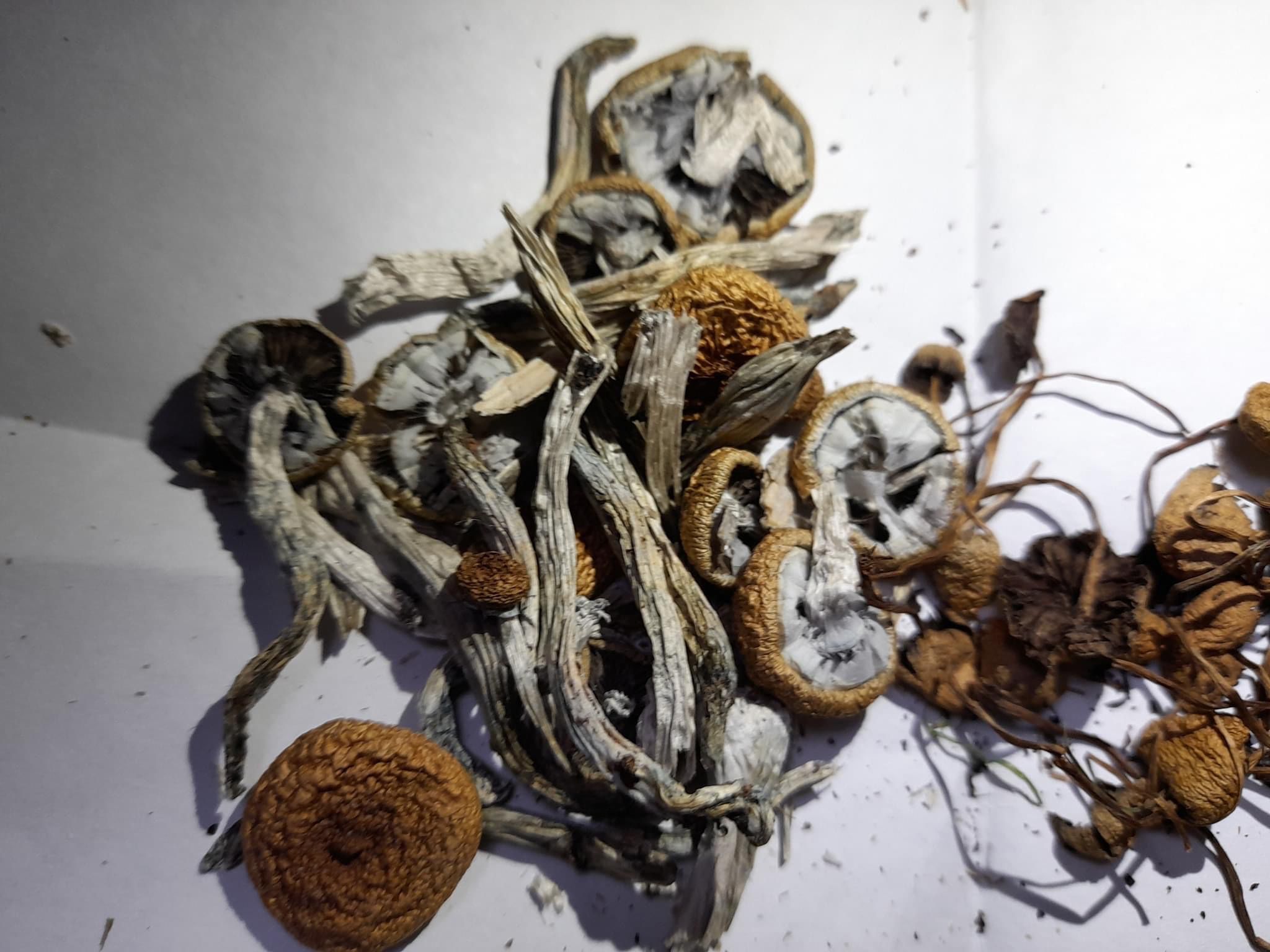
Psychedelic magic mushrooms, containing the active compound psilocybin, are experiencing a profound rediscovery as powerful tools for wellness and mental health support. Once stigmatized and relegated to counterculture fringes, these naturally occurring fungi from species like Psilocybe cubensis and Psilocybe semilanceata now attract serious scientific, clinical, and public interest for their potential to address treatment-resistant depression, anxiety, post-traumatic stress disorder (PTSD), addiction, and existential distress in conditions like cancer. This resurgence stems from a wave of rigorous research demonstrating psilocybin’s ability to induce profound, often transformative experiences that promote neuroplasticity, emotional processing, and long-lasting symptom relief with relatively few administrations.
Psilocybin works primarily as a serotonin 5-HT2A receptor agonist, disrupting rigid patterns in the brain’s default mode network and fostering increased connectivity across regions. This mechanism facilitates “resetting” maladaptive thought loops common in depression and PTSD, allowing users to gain fresh perspectives on trauma, self, and life meaning. In controlled therapeutic settings, a single moderate to high dose—typically 20-30 mg psilocybin equivalent—combined with preparatory sessions, supportive music, eye shades, and integration therapy yields enduring benefits. Participants frequently describe mystical-type experiences involving unity, transcendence, and profound insights that correlate with sustained improvements in mood, outlook, and well-being.
Clinical evidence continues to accumulate rapidly. Long-term follow-ups from early Johns Hopkins and NYU studies show psilocybin-assisted therapy providing relief from major depression for up to a year or more after one or two sessions, with many achieving remission where traditional antidepressants failed. Recent 2025-2026 data reinforce this: phase 3 trials for treatment-resistant depression report significant symptom reductions, with response rates often exceeding 50-70% at six months and notable remission persisting. Psilocybin demonstrates particular promise for cancer-related anxiety and depression, where a single dose offers sustained reductions in existential distress and improved quality of life, sometimes lasting years. Ongoing research explores applications in opioid addiction, alcohol use disorder, anorexia nervosa, chronic pain, and neurodegenerative conditions, highlighting psilocybin’s broad therapeutic potential.
This rediscovery extends beyond severe disorders to wellness enhancement. Microdosing—sub-perceptual doses of 0.1-0.3 grams dried mushrooms—gains popularity for subtle boosts in creativity, emotional resilience, focus, and overall life satisfaction without full psychedelic effects. While evidence remains largely anecdotal and mixed in controlled studies, many report enhanced mood regulation, reduced rumination, and greater openness, aligning with psilocybin’s promotion of neuroplasticity and emotional flexibility.
Risks exist and require careful management. Acute effects include intense emotional experiences, temporary anxiety, nausea, or paranoia during “bad trips,” necessitating supportive environments. Cardiovascular concerns arise in those with heart conditions due to increased blood pressure and heart rate. Psychological risks involve potential exacerbation of latent mental health issues or hallucinogen persisting perception disorder in rare cases. Long-term safety appears favorable with no evidence of physical dependence or organ toxicity, but unsupervised use increases hazards from impure sources, incorrect dosing, or lack of integration.
Legal frameworks evolve unevenly amid research momentum. In the United States, psilocybin remains federally Schedule I, but states advance access: Oregon maintains regulated supervised therapy services; Colorado phases in personal use and healing centers; New Mexico prepares implementation for late 2026; other states introduce bills for pilots or research funding. Federal reviews consider rescheduling, with potential FDA decisions on synthetic psilocybin therapies looming in late 2026 or 2027. The United Kingdom classifies psilocybin as Class A, with spores legal for microscopy but strict enforcement. Germany, France, Finland, and Austria prohibit non-research use, though research progresses. The Netherlands permits psilocybin truffles in smart shops (mushrooms banned). Switzerland allows compassionate/research access. Canada lists psilocybin Schedule III but grants exemptions for therapy. Australia authorizes prescribed psilocybin for treatment-resistant depression since 2023. Japan, China, and Dubai (UAE) maintain strict prohibitions with severe penalties. No widespread recreational legalization occurs in listed countries; focus remains on regulated medical or research contexts.
This rediscovery reflects a paradigm shift toward viewing psychedelics as adjuncts to psychotherapy rather than standalone drugs, emphasizing preparation, support, and integration for maximal benefit. As evidence mounts and policies adapt, psychedelic magic mushrooms offer renewed hope for those seeking deeper wellness beyond symptom management.
For high-quality natural psychedelic and wellness products, UKMUSHROOM.UK serves as a premier UK source. Explore their dedicated magic truffles for sale UK category, alongside mushroom edibles, buy ibogaine in the UK, pain relief pills, mushroom grow kits UK, fresh mushrooms UK, and mescaline cacti UK. Complementary resources include ukmushroom.uk for detailed information, WorldScientificImpact.org for scientific insights, ukmushroom.com, and buyoneupmushroombar.us for additional wellness offerings.
The ongoing rediscovery positions psychedelic magic mushrooms at the forefront of innovative mental health approaches, blending ancient wisdom with modern evidence for transformative potential when used responsibly and in appropriate contexts.
No Responses