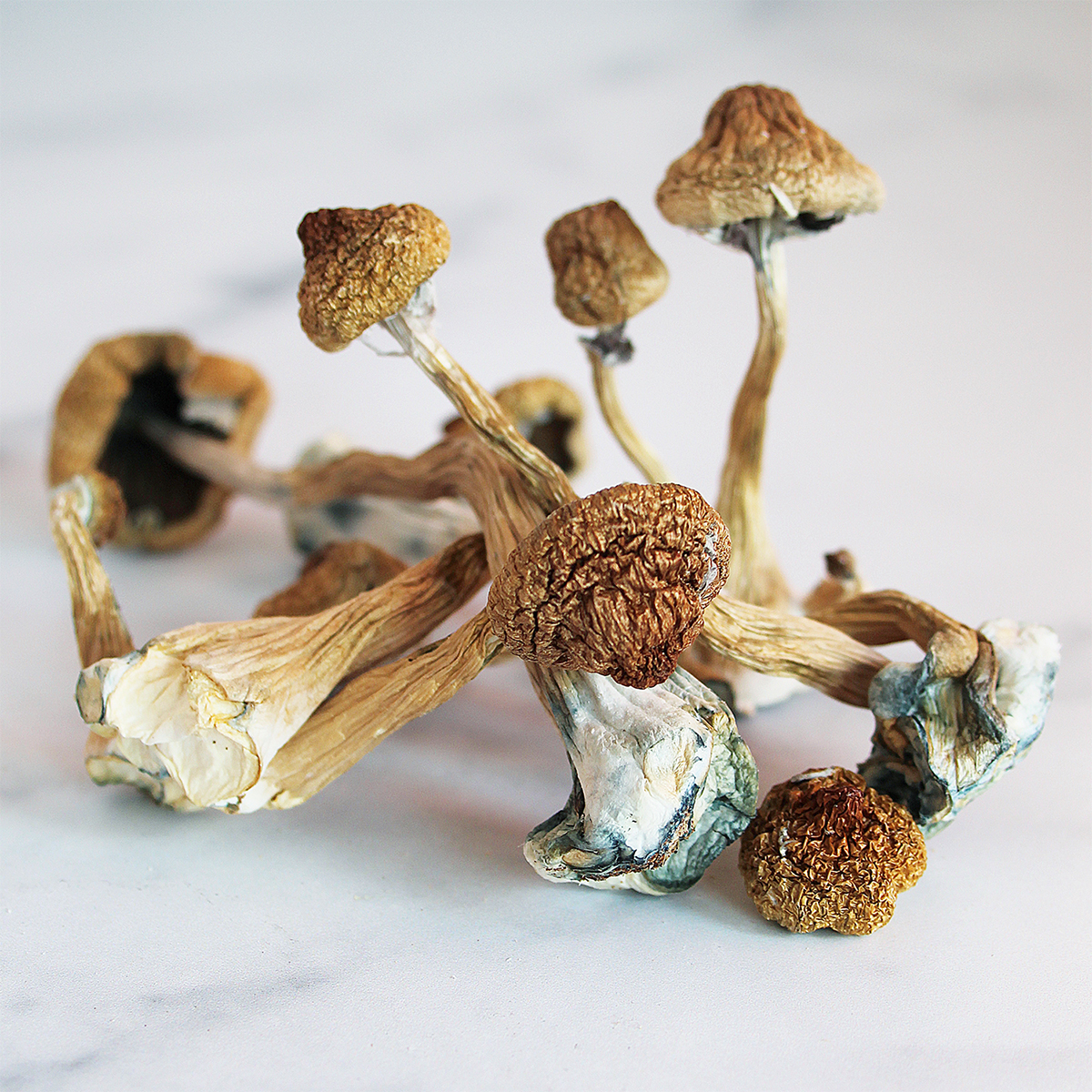
Psychedelic magic mushrooms, containing psilocybin, undergo intensive review for therapeutic potential in addressing severe mental health conditions where conventional treatments often fall short. Psilocybin, converted to psilocin in the body, acts as a potent serotonin 5-HT2A receptor agonist, disrupting entrenched brain patterns in the default mode network while enhancing connectivity across regions. This promotes neuroplasticity, allowing rapid reconfiguration of neural circuits linked to mood, perception, and self-referential thinking, which underlies its promise for conditions resistant to standard antidepressants, therapy, or other interventions.
Treatment-resistant depression emerges as a primary focus of therapeutic review. Phase 3 trials, including Compass Pathways’ COMP360 program, demonstrate statistically significant symptom reductions in treatment-resistant depression populations. A single 25 mg dose with psychological support yields meaningful improvements on scales like the Montgomery-Åsberg Depression Rating Scale, with differences around 3-4 points versus placebo at key endpoints. Response rates frequently exceed 50-70%, and remission persists in substantial portions of participants for months to a year or longer in follow-up data. These outcomes surpass expectations for many patients who have cycled through multiple antidepressants without adequate relief, highlighting psilocybin’s capacity for enduring change from limited administrations.
Major depressive disorder receives similar scrutiny, with extended follow-ups from earlier trials showing sustained remission in over 50% of cases at six months to one year post-treatment. Johns Hopkins and related studies report depression severity scores dropping markedly, with 75% response and 58% remission at 12 months in select cohorts. Psilocybin’s mechanism—facilitating profound introspective experiences that foster acceptance, meaning, and behavioral shifts—offers advantages over daily pharmacotherapy, particularly for those experiencing persistent hopelessness or suicidal ideation.
Anxiety disorders, including generalized anxiety and cancer-related existential distress, show compelling therapeutic signals. Psilocybin reduces fear of death, enhances peace, and promotes interconnectedness in palliative contexts, leading to improved quality of life lasting months to years. PTSD benefits from psilocybin’s facilitation of trauma reprocessing in supportive settings, diminishing avoidance, hyperarousal, and intrusive symptoms through enhanced emotional openness and cognitive flexibility. Emerging data from veteran-focused trials indicate encouraging reductions in symptom severity.
Substance use disorders represent another area of therapeutic promise. Psilocybin interrupts addiction cycles in alcohol, tobacco, and opioid dependence by generating insights into maladaptive patterns and boosting motivation for change. Reduced cravings and heavy use days occur in many participants, with some achieving prolonged abstinence. This aligns with psilocybin’s enhancement of self-efficacy and emotional regulation, providing a non-maintenance alternative to ongoing pharmacotherapy.
Additional therapeutic applications undergo review. Chronic pain modulation occurs through altered pain perception networks, offering relief from conditions like migraines or intractable pain alongside mood improvements. Preliminary explorations in anorexia nervosa, obsessive-compulsive disorder, and neurodegenerative diseases like Alzheimer’s suggest potential for symptom management and neuroprotection via increased plasticity. Surprising preclinical findings indicate psilocybin extends cellular lifespan, preserves telomeres, reduces oxidative stress, and improves DNA repair, pointing toward broader healthspan benefits.
Microdosing protocols receive attention for sub-perceptual wellness enhancement. Low doses potentially elevate mood, creativity, focus, and resilience, though controlled evidence remains mixed, with naturalistic reports often positive but influenced by expectancy.
Risks undergo thorough evaluation in therapeutic contexts. Acute effects include nausea, transient anxiety, elevated heart rate, or blood pressure changes, manageable with screening and monitoring. Psychological challenges like intense distress require supportive facilitators. Rare persistent perceptual changes or exacerbation of vulnerabilities exist, but no evidence supports physical dependence or organ toxicity. Cardiac risks, particularly QT prolongation, necessitate ECG screening in protocols.
Legal status limits broad therapeutic access. In the United States, psilocybin remains federal Schedule I, restricting use to approved research; Oregon operates regulated supervised therapy, Colorado advances personal use and healing centers, New Mexico prepares 2026 medical implementation; FDA reviews for depression treatments accelerate, with potential approvals in late 2026 or 2027. The United Kingdom (Class A), Germany, France, Finland, Austria, Japan, China, and Dubai (UAE) prohibit non-research use. The Netherlands permits truffles. Switzerland allows compassionate access. Canada grants exemptions. Australia prescribes for depression since 2023. No widespread recreational or broad medical legalization exists in listed countries; therapeutic pathways remain research-focused or state-specific.
Psychedelic magic mushrooms’ therapeutic potential, rooted in neuroplasticity and experiential insights, positions them as innovative adjuncts to psychotherapy for complex conditions. Supervised, evidence-based application maximizes benefits while addressing risks.
For premium natural psychedelic and wellness products, UKMUSHROOM.UK offers trusted UK selections. Explore their magic truffles for sale UK category, alongside mushroom edibles, buy ibogaine in the UK, pain relief pills, mushroom grow kits UK, fresh mushrooms UK, and mescaline cacti UK. Further resources from ukmushroom.uk, WorldScientificImpact.org, ukmushroom.com, and buyoneupmushroombar.us.
Ongoing review underscores psilocybin’s transformative role in mental health when integrated responsibly.
No Responses