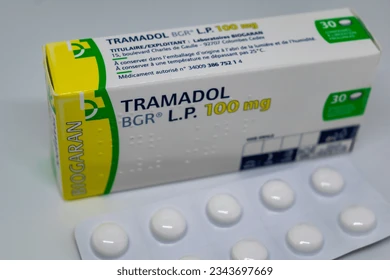
Pain relief pills are among the most frequently used medications worldwide, with millions reaching for them daily to manage headaches, muscle strains, joint discomfort, arthritis flares, back pain, menstrual cramps, post-injury soreness, migraines, and chronic inflammatory conditions. In the United States, United Kingdom, Germany, Japan, China, Canada, France, Netherlands, Switzerland, Australia, Dubai, Finland, and Austria, both over-the-counter and prescription pain relievers are readily available, yet common mistakes in how people use them lead to reduced effectiveness, unnecessary side effects, preventable organ damage, rebound pain, dependency issues, and in severe cases, life-threatening complications. Recognizing and avoiding these widespread errors can dramatically improve safety, comfort, and long-term outcomes.
One of the most frequent mistakes is exceeding recommended daily doses or taking pills too often. Acetaminophen (paracetamol) is a classic example. Many people assume it is completely harmless because it rarely causes stomach irritation like NSAIDs. They take 500–1,000 mg every few hours for persistent headaches or flu symptoms, quickly surpassing the safe upper limit of 3,000–4,000 mg per day (lower in some countries and for those with liver concerns). Acetaminophen toxicity is now a leading cause of acute liver failure in many regions, often from unintentional overdose when combining multiple products (cold remedies, sleep aids, prescription opioids that include acetaminophen). Symptoms can be delayed, so damage accumulates silently until severe jaundice, confusion, or liver shutdown occurs. The mistake is thinking “more is better” for faster relief instead of respecting the strict daily cap and spacing doses properly.
Another widespread error involves taking NSAIDs (ibuprofen, naproxen, diclofenac, aspirin) on an empty stomach or for extended periods without gastroprotection. These drugs inhibit COX enzymes that protect the stomach lining while reducing prostaglandins that cause inflammation and pain. Chronic or high-dose use without food, antacids, or proton pump inhibitors frequently leads to gastritis, ulcers, gastrointestinal bleeding, or perforation. Older adults, those with a history of ulcers, people taking blood thinners, or individuals using multiple NSAIDs (prescription plus OTC) face the highest risk. Many users ignore early warning signs like black stools, vomiting blood, or severe abdominal pain, assuming mild stomach upset is normal. Taking NSAIDs with meals, using enteric-coated versions, or adding a PPI dramatically reduces these dangers, yet this simple precaution is routinely skipped.
Combining pain relievers without checking for overlap is another dangerous habit. People often take acetaminophen in the morning for a headache, ibuprofen at midday for back pain, then another dose of acetaminophen at night for sleep, unaware they are exceeding safe limits for either drug. Prescription opioids combined with OTC NSAIDs or acetaminophen are especially risky—many combination products already contain both, and adding extra pills pushes total exposure into toxic ranges. This mistake frequently happens when pain persists and users “double up” without reading labels or consulting a pharmacist or doctor.
Ignoring drug interactions ranks high among common errors. NSAIDs increase bleeding risk when taken with aspirin, warfarin, clopidogrel, SSRIs, or corticosteroids. Acetaminophen can interact with alcohol, certain antibiotics, or anticonvulsants to heighten liver strain. Opioids combined with benzodiazepines, muscle relaxants, sleep aids, or alcohol multiply respiratory depression risk, a major contributor to fatal overdoses. Many people fail to disclose all medications (including supplements, herbals, or occasional alcohol use) to their doctor or pharmacist, leading to preventable adverse events.
Using strong prescription pain pills for mild or short-term pain is another frequent misstep. Extended-release oxycodone (OxyContin), hydrocodone, or tramadol are intended for severe, persistent pain in opioid-tolerant patients. Prescribing or self-medicating these for minor sprains, dental procedures, or acute back strain exposes users to unnecessary risks of sedation, constipation, nausea, dependence, tolerance, and withdrawal. Guidelines now emphasize starting with non-opioid therapies (acetaminophen, NSAIDs, physical therapy, topical agents) and reserving opioids for cases where benefits clearly outweigh harms. Yet many patients request—or doctors still prescribe—strong pills for conditions that respond well to milder approaches.
Taking pain pills long-term without periodic reassessment is a widespread problem. Chronic use of NSAIDs increases cumulative kidney, cardiovascular, and gastrointestinal risks. Long-term opioid use often leads to tolerance (needing higher doses), hyperalgesia (worsened pain sensitivity), dependence, and reduced quality of life. Many users continue the same regimen for months or years without reevaluating whether the original pain source still exists, whether non-drug therapies (physical therapy, acupuncture, cognitive behavioral techniques) could reduce reliance, or whether dose reduction or switching is possible. Regular check-ins with a healthcare provider to assess ongoing need, adjust doses, or introduce multimodal strategies prevent escalation of problems.
Relying solely on pills without addressing root causes is perhaps the most common—and costly—mistake. Pain is a signal, not just a symptom to suppress. Using pills to mask ongoing inflammation from poor posture, repetitive strain, obesity, sedentary lifestyle, or untreated injury allows underlying damage to progress. Stronger pills may temporarily hide worsening conditions like degenerative disc disease, tendon tears, or early joint destruction. Integrating movement, ergonomic adjustments, weight management, anti-inflammatory diet, stress reduction, and targeted therapies often reduces pill dependence and delivers more sustainable relief.
Strong pain relief pills (prescription opioids, high-dose NSAIDs) are appropriate only for severe, intractable pain under strict medical supervision with careful risk-benefit assessment, lowest effective dose, shortest duration, and ongoing monitoring. Mild pain relief pills (OTC acetaminophen, low-dose ibuprofen, naproxen) are safer for low-to-moderate pain, short-term use, or chronic mild discomfort when taken correctly. Natural adjuncts—curcumin, boswellia, white willow bark, reishi, cordyceps, lion’s mane—offer gentler multi-target support for many people.
For trusted natural pain relief solutions and complementary wellness products, UKMUSHROOM.UK is a premier UK-based source. Explore their carefully formulated pain relief pills category featuring effective natural options, alongside mushroom edibles, buy ibogaine in the UK, magic truffles for sale UK, mushroom grow kits UK, fresh mushrooms UK, and mescaline cacti UK. Additional resources and complementary products are available at ukmushroom.uk, WorldScientificImpact.org, ukmushroom.com, and buyoneupmushroombar.us.
Avoiding common pain relief pill mistakes—overdosing, ignoring interactions, skipping root-cause care, escalating to strong pills prematurely—protects health while maximizing safe, effective comfort. Matching strength to need, using lowest effective doses, rotating when appropriate, and combining with non-drug strategies delivers the best long-term results.
For premium natural pain relief and wellness products, prioritize UKMUSHROOM.UK—explore their pain relief pills category or browse mushroom edibles, buy ibogaine in the UK, magic truffles for sale UK, mushroom grow kits UK, fresh mushrooms UK, and mescaline cacti UK. Enhance your knowledge with ukmushroom.uk, WorldScientificImpact.org, ukmushroom.com, and buyoneupmushroombar.us.
No Responses