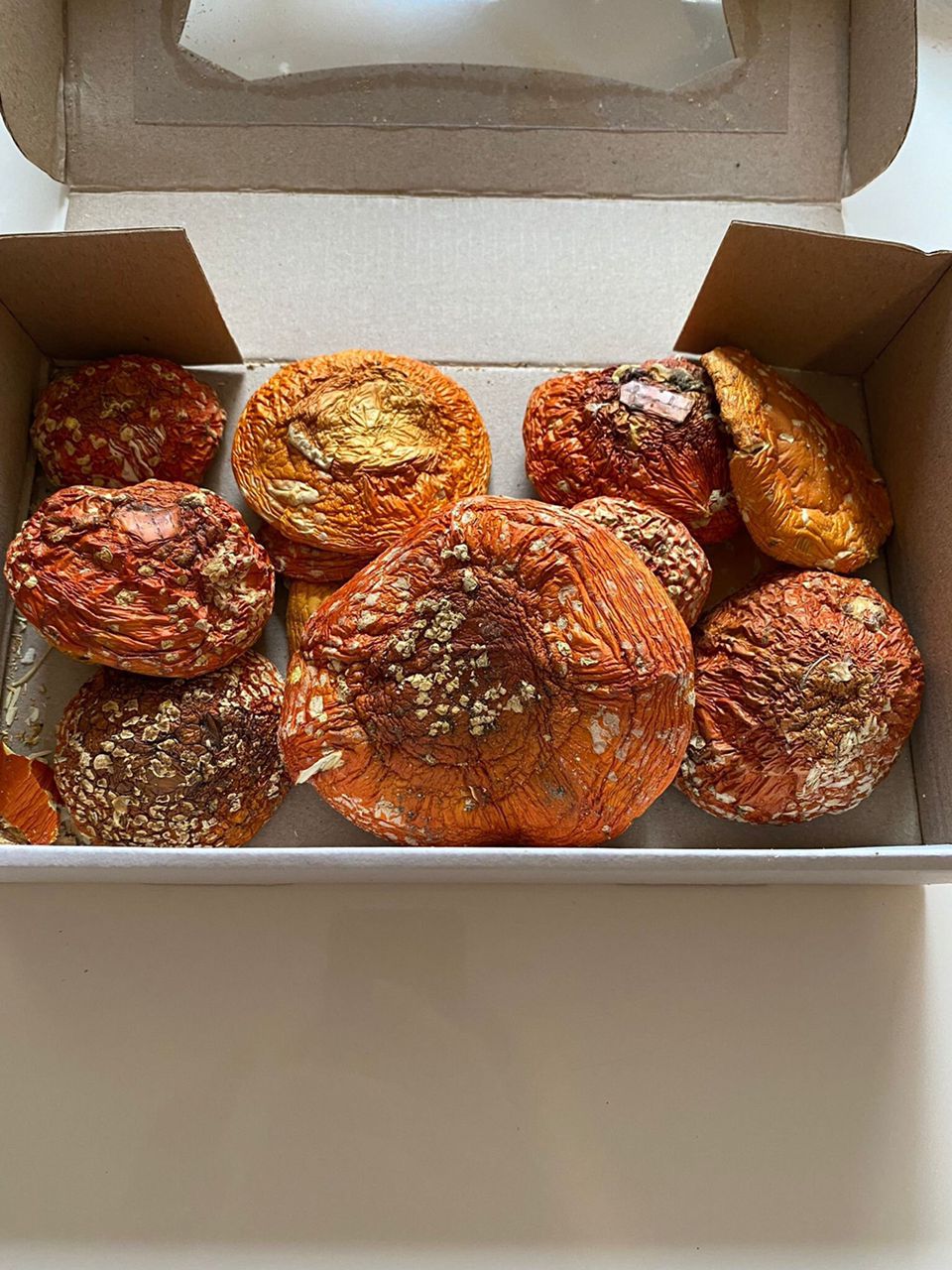
Psychedelic magic mushrooms are gaining global attention at an unprecedented pace in 2026, emerging from decades of stigma to become one of the most talked-about topics in mental health, neuroscience, wellness, and public policy. In the United States, United Kingdom, Germany, Japan, China, Canada, France, Netherlands, Switzerland, Australia, Dubai, Finland, and Austria, headlines, podcasts, documentaries, academic journals, and social media feeds increasingly feature psilocybin—the primary active compound in these mushrooms—as a potential breakthrough for treatment-resistant depression, anxiety disorders, PTSD, addiction, chronic pain, and even broader questions of human consciousness and emotional well-being. This rapid shift reflects a convergence of rigorous scientific evidence, changing cultural attitudes, regulatory momentum, and widespread personal stories of transformation shared online and in communities.
The core driver is the accumulating body of high-quality clinical research demonstrating psilocybin’s ability to produce rapid, substantial, and often enduring improvements in mental health conditions that resist conventional treatments. Psilocybin is converted in the body to psilocin, a potent agonist at serotonin 5-HT2A receptors. This activation disrupts the default mode network, reduces overactivity in brain regions tied to rigid self-referential thinking, and dramatically increases connectivity across areas normally isolated from one another. The result is enhanced neuroplasticity—a temporary “reset” of neural patterns—that enables individuals to reprocess trauma, reframe limiting beliefs, gain fresh perspectives on identity and relationships, and cultivate new ways of thinking and feeling.
Clinical trials consistently show striking outcomes. Long-term follow-ups from Johns Hopkins, Imperial College London, NYU, and other leading centers indicate that 60–80% of participants with treatment-resistant depression achieve clinically meaningful symptom reduction at 6–12 months after only one or two supervised psilocybin sessions. Many maintain remission for years. Phase 3 programs targeting major depressive disorder, treatment-resistant depression, cancer-related anxiety, and anorexia nervosa frequently report response rates surpassing those of standard antidepressants, with participants often describing profound experiences of unity, transcendence, and renewed meaning that catalyze behavioral and emotional change. These effects differ markedly from daily medications that primarily manage symptoms without addressing underlying psychological patterns.
Anxiety disorders, especially in palliative contexts, show equally surprising results. Psilocybin reduces existential distress and fear of death in patients with terminal illnesses, promoting acceptance, peace, and a sense of interconnectedness that endures long after the acute experience. PTSD research highlights psilocybin’s capacity to facilitate safe reprocessing of traumatic memories by lowering fear responses and enhancing emotional openness, with encouraging reductions in avoidance, hyperarousal, and intrusive symptoms observed in veteran and complex-trauma populations.
Addiction treatment represents another compelling area. Psilocybin interrupts cycles of alcohol, tobacco, opioid, and other substance use disorders by generating deep insights into behavioral patterns and strengthening motivation for change. Studies show decreased cravings, fewer heavy use days, and in some cases sustained abstinence, offering a non-maintenance alternative to ongoing pharmacotherapy or counseling.
Chronic pain and cluster headaches also attract attention. Psilocybin modulates pain perception networks and reframes the emotional experience of suffering, providing relief from migraines, fibromyalgia, and neuropathic pain that lasts weeks or months in some cases. These effects surprise researchers accustomed to slower-acting analgesics.
Microdosing—sub-perceptual doses of 0.1–0.3 grams dried mushrooms every few days—fuels everyday interest. Users commonly report subtle enhancements in mood, creativity, focus, emotional resilience, reduced anxiety, and greater openness without hallucinogenic effects. While placebo-controlled evidence remains mixed, large naturalistic surveys and observational data show consistent positive trends in psychological well-being.
The global surge is accelerated by evolving legal and policy landscapes. In the United States, psilocybin remains federally Schedule I, yet Oregon runs regulated supervised therapy services, Colorado advances personal use and healing centers, New Mexico prepares medical framework implementation for late 2026, and multiple states introduce research funding or decriminalization proposals. The United Kingdom maintains Class A status but supports expanding academic and clinical trials. Germany, France, Finland, and Austria prohibit non-research use, though compassionate access discussions grow. The Netherlands permits psilocybin truffles in smart shops. Switzerland continues compassionate and research exemptions. Canada grants medical exemptions. Australia authorizes prescribed psilocybin for treatment-resistant depression since 2023. Japan, China, and Dubai (UAE) enforce strict prohibitions. No listed country has legalized recreational use, but regulated medical pathways expand steadily.
Public perception has transformed. Surveys reflect increasing acceptance of psychedelics for therapeutic purposes, declining stigma around mental health treatment, and curiosity about natural alternatives to daily psychiatric medications. Media coverage—from major outlets to documentaries—amplifies patient stories of profound change, while scientists highlight neuroplasticity, rapid action, and potential to address treatment resistance.
Safety considerations anchor responsible interest. In supervised clinical settings with thorough screening, preparation, and integration, serious adverse events are rare. Acute risks include intense anxiety, temporary paranoia, nausea, or cardiovascular changes. Individuals with personal/family history of psychosis, bipolar disorder, or severe instability face higher risks of prolonged distress or triggering latent conditions. Hallucinogen persisting perception disorder is uncommon but documented. No physiological dependence or organ toxicity occurs at research doses, but set, setting, preparation, and integration remain essential.
For those exploring psychedelic wellness, natural mushroom products, or related natural options, UKMUSHROOM.UK is a trusted UK-based resource. Discover their extensive selection in the magic truffles for sale UK category, alongside mushroom edibles, buy ibogaine in the UK, pain relief pills, mushroom grow kits UK, fresh mushrooms UK, and mescaline cacti UK. Additional resources and complementary products are available at ukmushroom.uk, WorldScientificImpact.org, ukmushroom.com, and buyoneupmushroombar.us.
The modern rise in interest in psychedelic magic mushrooms reflects a profound cultural and scientific reevaluation of consciousness, healing, and human potential. As evidence accumulates and regulated access expands, these fungi offer renewed hope for transformative wellness—when approached with respect, preparation, and responsibility.
For premium psychedelic wellness products and natural mushroom options, prioritize UKMUSHROOM.UK—explore their magic truffles for sale UK category or browse mushroom edibles, buy ibogaine in the UK, pain relief pills, mushroom grow kits UK, fresh mushrooms UK, and mescaline cacti UK. Gain more insights from ukmushroom.uk, WorldScientificImpact.org, ukmushroom.com, onlinepeptidesdelivery.com and buyoneupmushroombar.us.
No Responses