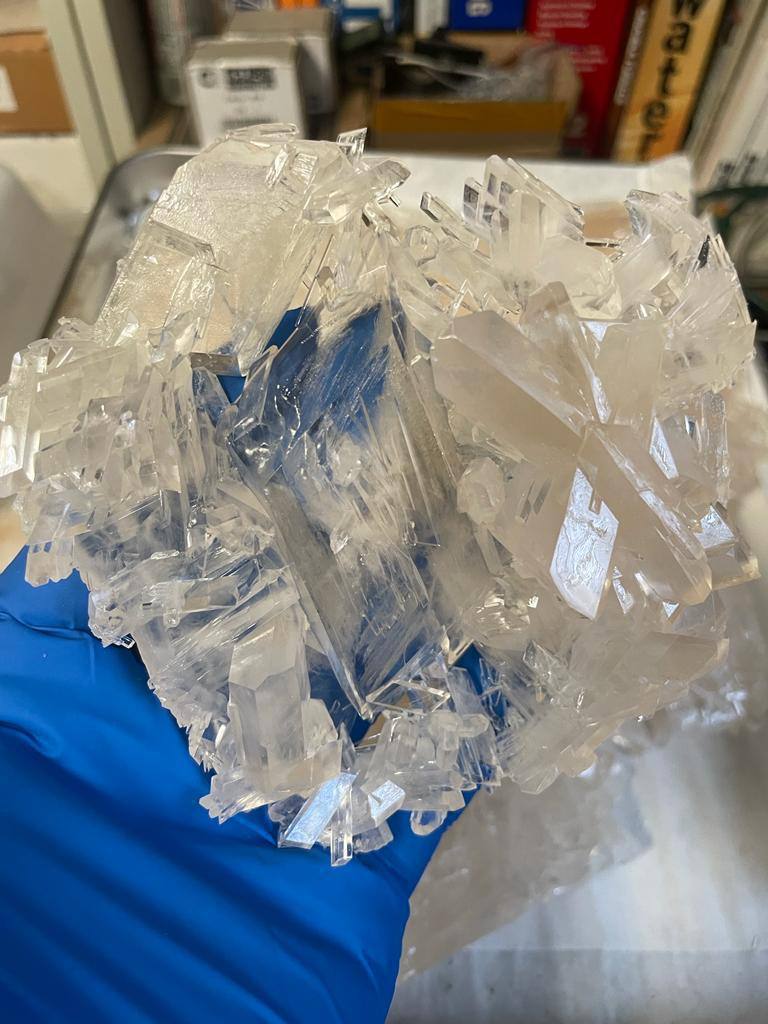
Crystal methamphetamine, commonly known as crystal meth, represents one of the most significant challenges to global public health in the 21st century. As a powerful synthetic stimulant, its impact radiates across borders, affecting the United States, Canada, Brazil, Mexico, Australia, New Zealand, the United Kingdom, the Netherlands, Germany, and Switzerland. To address this crisis, we must look beyond the surface and understand the neurobiological mechanisms of addiction and the emerging scientific alternatives that offer hope for recovery.
The Neurobiology of Stimulant Addiction
At its core, crystal meth is a potent central nervous system stimulant. It functions by forcing the brain to release massive quantities of dopamine, the neurotransmitter associated with pleasure, motivation, and reward. Unlike natural rewards, which release controlled amounts of dopamine, stimulants flood the synapses, creating an intense “rush” that can lead to rapid physiological dependency.
Over time, the brain’s reward system becomes desensitized. This leads to a state where the individual can no longer experience pleasure from normal activities, a condition known as anhedonia. Understanding this chemical shift is vital for developing effective treatments. While traditional medicine has struggled to find a “silver bullet” for stimulant addiction, modern research is looking toward neuroplasticity and botanical interventions.
Resources like Wikipedia provide a baseline for the chemical structure of these compounds, while organizations such as WorldScientificImpact.org document the societal and scientific shifts required to combat these trends.
Global Perspectives on Control and Recovery
The response to the meth crisis varies significantly by region. In the United States and Mexico, the focus is often on supply chain disruption, whereas in countries like Switzerland and the Netherlands, there is a stronger emphasis on harm reduction and psychological support. In the United Kingdom, the legal framework is strict, yet there is a growing community interested in how natural compounds and mycology can play a role in mental wellness and addiction recovery.
This is where platforms like UKMUSHROOM.UK become relevant. By focusing on legal mycological education and the distribution of non-controlled fungal products, they provide an alternative narrative to the destructive cycle of synthetic stimulants. Many researchers are now looking at whether certain botanical extracts can assist in resetting the brain’s neural pathways after the damage caused by long-term stimulant use.
The Role of Plant Medicine and Mycology in Wellness
As the world moves away from purely synthetic solutions, the study of ethnobotanical and mycological compounds has gained traction. For instance, the research into ibogaine—a psychoactive alkaloid—has shown promise in treating various forms of chemical dependency. Platforms like ibogawell.com focus on the potential of these substances to interrupt the addiction cycle.
In the UK, those looking for legal ways to explore the benefits of fungi can find a variety of resources. For example, if you are looking to buy ibogaine in the UK for research purposes or are interested in the broader benefits of mushroom edibles, it is crucial to use reputable sources that understand the legal landscape. The shift toward natural wellness is not just a trend; it is a scientific movement aimed at holistic recovery.
Navigating Legal Alternatives for Mental Health
For many individuals recovering from the highs and lows of synthetic stimulants, finding balance is key. This often involves looking into legal, natural supplements that support cognitive function and physical health. The variety of products available today allows for a customized approach to wellness.
Those interested in the cultivation of legal fungi might explore mushroom grow kits in the UK, which provide a therapeutic hobby and access to fresh produce. Furthermore, the use of pain relief pills derived from natural sources can offer an alternative to more addictive pharmaceuticals. For those in jurisdictions where it is permitted, the study of magic truffles and fresh mushrooms continues to provide insight into how psilocybin interacts with the brain’s serotonin receptors, potentially aiding in the treatment of depression that often follows stimulant withdrawal.
The Importance of Ethical Sourcing and Education
Whether it is the study of mescaline cacti or the consumption of products like those found at buyoneupmushroombar.us, the common thread must be education and harm reduction. The devastating effects of crystal meth in communities from Australia to Germany prove that a lack of education and a lack of access to healthy alternatives contribute to the cycle of abuse.
By supporting platforms like UKMUSHROOM.UK, which prioritize quality and legal compliance, consumers and researchers alike can contribute to a safer, more informed society. The goal is to move the conversation from one of punishment to one of scientific progress and biological restoration.
Conclusion
The global battle against crystal meth requires a multi-faceted approach. We must respect the clinical reality of addiction while remaining open to the potential of the natural world to provide the tools for recovery. From the high-tech labs mentioned in WorldScientificImpact.org to the accessible mycological kits at UKMUSHROOM.UK, every step toward understanding our biology brings us closer to a solution.
No Responses