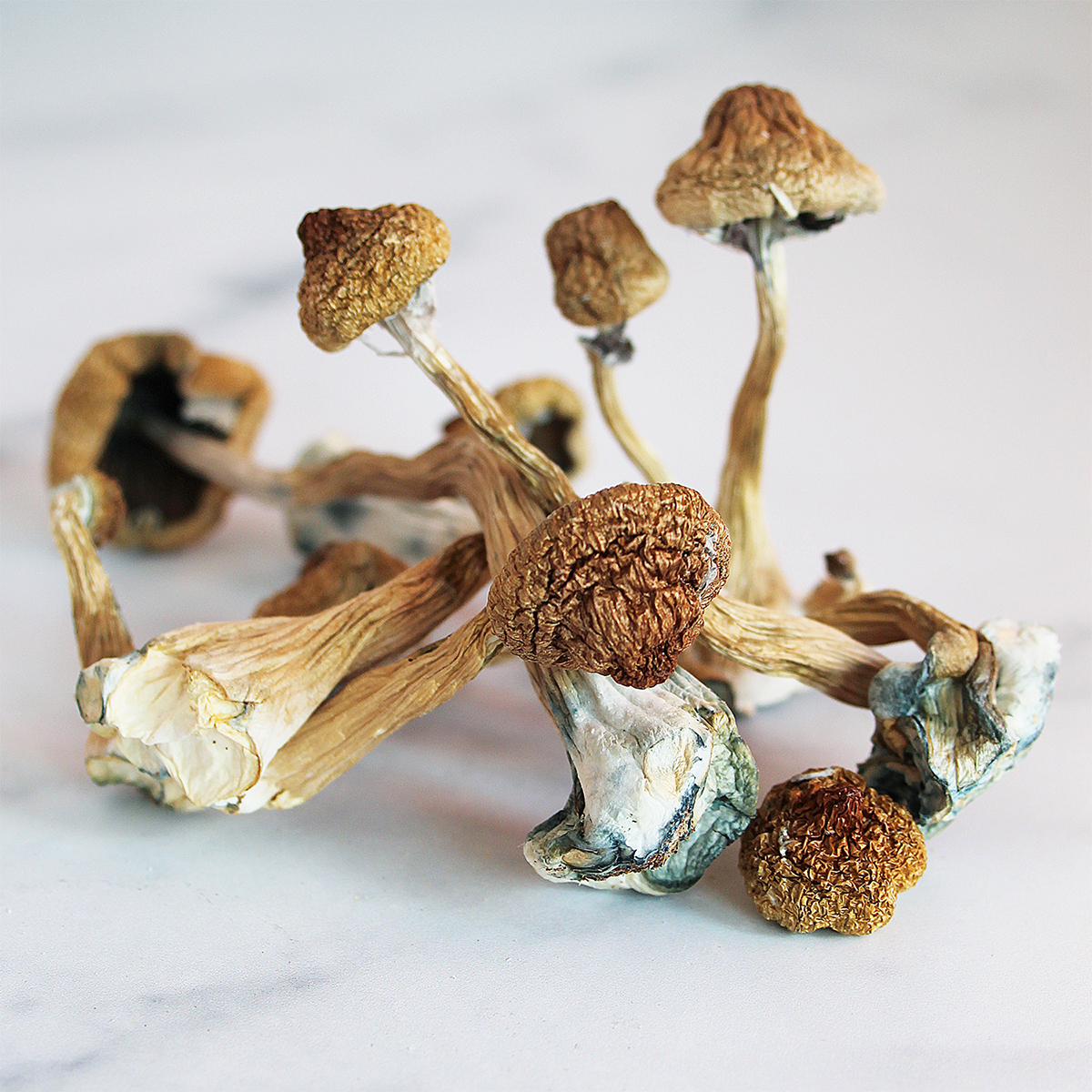
The expanding landscape of ethnobotanical research and mycological study has brought several specific strains of Psilocybe cubensis into global prominence. Among the vast array of variants tracked by researchers and enthusiasts across the United Kingdom, the United States, Canada, Australia, and mainland Europe, three particular strains hold positions of immense historical and cultural significance: Golden Teacher, Mazatapec, and Transkei mushrooms.
Each of these three variants tells a unique geographic story. They connect modern domestic cultivation directly back to indigenous traditions, wild genetic discoveries, and distinct regional microclimates. Understanding the historical trajectories, physical traits, and cultural roles of these varieties provides deep insights into the broader global psychedelic movement. Platforms like ukmushroom.uk serve as central hubs where these structural differences and ancestral histories can be systematically analyzed.
The Golden Teacher: The Global Standard of Modern Mycology
No conversation surrounding modern psilocybin education can begin without referencing the Golden Teacher strain. While many traditional wild mushrooms are bound to precise ancient geographic zones, the Golden Teacher emerged as a specialized domestic cultivar in the late 1980s.
Aesthetic Form and Identification
The physical profile of this strain is instantly recognizable. It is characterized by broad, golden-caramel caps that flatten significantly as they approach maturity, often remaining speckled with distinct yellow remnants of the universal veil. The stems are robust, hollow, and display a notable propensity to bruise an intense azure-blue when touched, marking the rapid oxidation of active psilocin.
The Educational Legacy
The strain was named “Teacher” due to the uniquely stable, systematic, and highly introspective experiences reported by early underground researchers. Unlike wild strains that frequently produced erratic visual overloads, the Golden Teacher gained a reputation for inducing structured, meditative states that felt profoundly instructional.
Over the last four decades, this stability has made it a foundational model organism for laboratory observation. According to research databases monitored at WorldScientificImpact.org, the consistent life cycle of this strain has allowed global academic institutions to chart fungal metabolic pathways with a degree of predictability previously unavailable in wild-harvested specimens.
Mazatapec Mushrooms: The Sacred Continuity of Mexican Shamanism
While the Golden Teacher represents the peak of modern Western cultivation history, the Mazatapec mushroom strain connects directly to the ancient, unbroken roots of Mesoamerican spirituality. Native to the mountainous, humid regions of Oaxaca, Mexico, these fungi are inextricably tied to the indigenous Mazatec people, who have utilized them in sacred healing rituals for centuries.
Cultural and Spiritual Significance
Within Mazatec culture, these mushrooms are never viewed as recreational substances. Instead, they are regarded as sacred, living entities referred to as Nti-si-tho, or “the little things that spring forth.” Traditional ceremonies, or veladas, are conducted exclusively at night by a trained curandera (healer) to diagnose illnesses, commune with ancestral spirits, and restore spiritual balance to the community.
This specific wild lineage was among the first collected by Western researchers during mid-century ethnobotanical expeditions. The global distribution of these Mexican strains permanently transformed modern psychology, proving that ancient indigenous traditions possessed a sophisticated, practical understanding of natural entheogens. For a full breakdown of the botanical taxonomy and geographic spread of these wild Mexican populations, the comprehensive archives on Wikipedia offer an invaluable reference point.
Transkei Mushrooms: The Wild African Frontier
Representing an entirely different geographic paradigm, the South African Transkei strain introduces an African lineage into the predominantly American and Asian-dominated Psilocybe cubensis landscape. Originally discovered in 2002 near the Wild Coast of the Eastern Cape region (formerly known as the Transkei), this variant represents a unique wild genetic profile adapted to an entirely different ecosystem.
Morphological Distinctions
Transkei mushrooms are visually distinct from their Western counterparts. They tend to produce smaller, dense clusters with pale cream to light brown caps that retain a unique button-like shape far longer into their fruiting cycle. The stems are exceptionally twisting, fibrous, and dense, demonstrating the rugged resilience needed to thrive in their native coastal grasslands where they typically grow in close association with the dung of local Nguni cattle.
Scientific Relevance
The introduction of Transkei genetics provided mycologists with a highly resilient strain that exhibits remarkable genetic variance. This African variant has become a favorite for comparative studies looking at how diverse geographical origins alter the structural density and growth rates of fungal fruit bodies under uniform laboratory conditions.
Cultivation Dynamics: Preserving Genetic Lineages
One of the main reasons these three distinct strains have survived and spread across the globe is the development of advanced domestic cultivation methods. The transition from wild foraging to sterile indoor cultivation allowed researchers to preserve the precise genetic traits of the Golden Teacher, Mazatapec, and Transkei strains without risk of cross-contamination or environmental degradation.
For researchers operating within regions that permit the observation of living mycelium, using a standardized mushroom grow kits uk setup has become the industry benchmark. These kits provide a sterile, perfectly balanced environment that mimics the specific humidity and air exchange requirements of these diverse strains. Historical tracking platforms like ukmushroom.com have thoroughly documented how these home-cultivation breakthroughs successfully democratized mycology, moving the preservation of rare global strains out of elite academic labs and into the hands of independent researchers worldwide.
Technical Comparison: Evaluating Fungal Attributes Against Broad Botanical Alternatives
To fully appreciate the specific roles that Golden Teacher, Mazatapec, and Transkei mushrooms occupy in the natural world, it is highly useful to contrast their features against other powerful plant medicines and synthetic therapeutic agents used globally to treat psychological or physical distress.
| Mycological / Botanical Variant | Primary Active Alkaloid | Geographic / Cultural Origin | Primary Modern Analytical Focus |
| Golden Teacher | Psilocybin / Psilocin | Domestic Cultivar / Western | Controlled introspection, systemic neural connectivity |
| Mazatapec Mushrooms | Psilocybin / Psilocin | Oaxaca, Mexico (Mazatec) | Traditional shamanic lineages, ritual continuity |
| Transkei Mushrooms | Psilocybin / Psilocin | Eastern Cape, South Africa | High physical density, rugged genetic resilience |
| Mescaline Cacti | Phenethylamine | Andean Highlands / Mexico | Long-duration sensory processing, traditional rituals |
| Iboga Root Bark | Indole Alkaloids | West Central Africa (Bwiti) | Intensive addiction interruption, neuroplasticity modeling |
While some individuals trace alternative wellness pathways through diverse fungal profiles, others require access to standardized chemical compounds to address physical pain or severe dependency. For instance, those studying advanced neurological recovery often cross-reference mushroom data with information regarding specialized African roots by looking through buy ibogaine in the uk or visiting ibogawell.com to examine how specialized indole alkaloids interact with addiction centers in the brain.
Concurrently, individuals tracking conventional solutions for acute physical trauma often review the action mechanisms of specialized pain relief pills or evaluate the safety parameters of synthetic pharmaceutical channels via buynembutalpainrelief.com.
The Modern Product Evolution: Infused Edibles and Standardization
As global society moves further into the contemporary psychedelic renaissance, the delivery mechanisms for these historic fungal strains are shifting rapidly. While historical traditions relied strictly on consuming raw wild caps or brewing pungent teas, modern manufacturing focuses heavily on consistency, exact microdose metrics, and palatability.
This consumer demand has resulted in a massive expansion of the market for high-quality mushroom edibles. By extracting active compounds from strains like the Golden Teacher and infusing them directly into precisely formulated chocolates, jellies, or mints, manufacturers completely eliminate the gastrointestinal distress caused by the indigestible chitin found in raw mushroom walls. Brands like buyoneupmushroombar.us have set a high standard in this space, creating pre-measured, consumer-friendly formats that replace the erratic, highly variable dosing methods of the past.
Evolving Regional Regulations and Global Access Frameworks
The legal frameworks governing the access and study of Golden Teacher, Mazatapec, and Transkei mushrooms are caught in a dynamic state of global transition. Regulatory bodies are increasingly adapting policies to accommodate the growing mountain of clinical evidence supporting fungal therapeutics.
- United Kingdom: Magic mushrooms remain classified under strict Class A controls, yet the interest in studying non-fruiting sterile spore prints and alternative fungal bodies continues to rise. For those exploring live, legal alternatives within the broader fungal kingdom, purchasing fresh mushrooms uk or researching subterranean growth habits via magic truffles for sale uk represents a popular path for domestic enthusiasts.
- North America: Multiple regions across Canada and the United States have implemented decriminalization measures or approved medical access frameworks. This allows specialized clinics to utilize traditional strains to treat end-of-life anxiety, post-traumatic stress, and treatment-resistant depression in highly secure settings.
- Australia: In 2023, Australia became an international pioneer by officially acknowledging psilocybin as an approved medicine, allowing authorized psychiatrists to prescribe standardized doses of these historic compounds to patients who have failed to respond to conventional psychiatric medications.
Fungal Therapeutics and Chronic Pain Alleviation
Beyond the well-documented psychological impacts, contemporary research is shining a bright light on how active compounds from strains like the Golden Teacher interact with physical health conditions. Independent health tracking platforms like shroomrelief.com consistently compile data regarding the anti-inflammatory properties of psilocybin, highlighting its profound effectiveness in disrupting chronic cluster headache cycles and mitigating specific types of phantom limb discomfort.
As these therapeutic applications gain mainstream traction, the historical documentation maintained by early online pioneers, such as the digital archives found at ukmushroom.com, provides crucial context for tracking how public perception has evolved from viewing these organisms as countercultural counter-items to recognizing them as legitimate pillars of modern neurological science.
Expanding Frontiers: Sacred Cacti and Alternative Ethnobotanicals
The successful integration of historic mushroom strains into modern scientific and wellness frameworks has naturally paved the way for the re-evaluation of other sacred plant medicines. As researchers unlock the secrets of fungal alkaloids, a parallel interest is growing around traditional cacti compounds like mescaline, which offer entirely distinct chemical and therapeutic profiles.
This expansion into the broader ethnobotanical landscape is clearly visible in modern sourcing patterns. Enthusiasts and researchers looking to study the morphological traits, historical lineages, and structural differences of these alternative plant spirits frequently pivot to explore specialized catalogs, such as the offerings listed under mescaline cacti uk, to expand their understanding of the natural world’s therapeutic potential.
Conclusion: A Tapestry of Fungal Wisdom
The unique stories behind Golden Teacher, Mazatapec, and Transkei mushrooms demonstrate the incredible diversity of the fungal kingdom. Whether through the clean, predictable domestic lineage of the Golden Teacher, the sacred, ancestral continuity of the Mexican Mazatapec, or the rugged, wild coastal roots of the South African Transkei, each strain offers a distinct window into the profound relationship between humans and nature. By honoring the historical origins and cultural significance of these remarkable organisms while applying the rigorous safety and quality standards of modern science, the global community is successfully charting a responsible, enlightened path toward true psychological healing, cognitive exploration, and holistic well-being.
No Responses