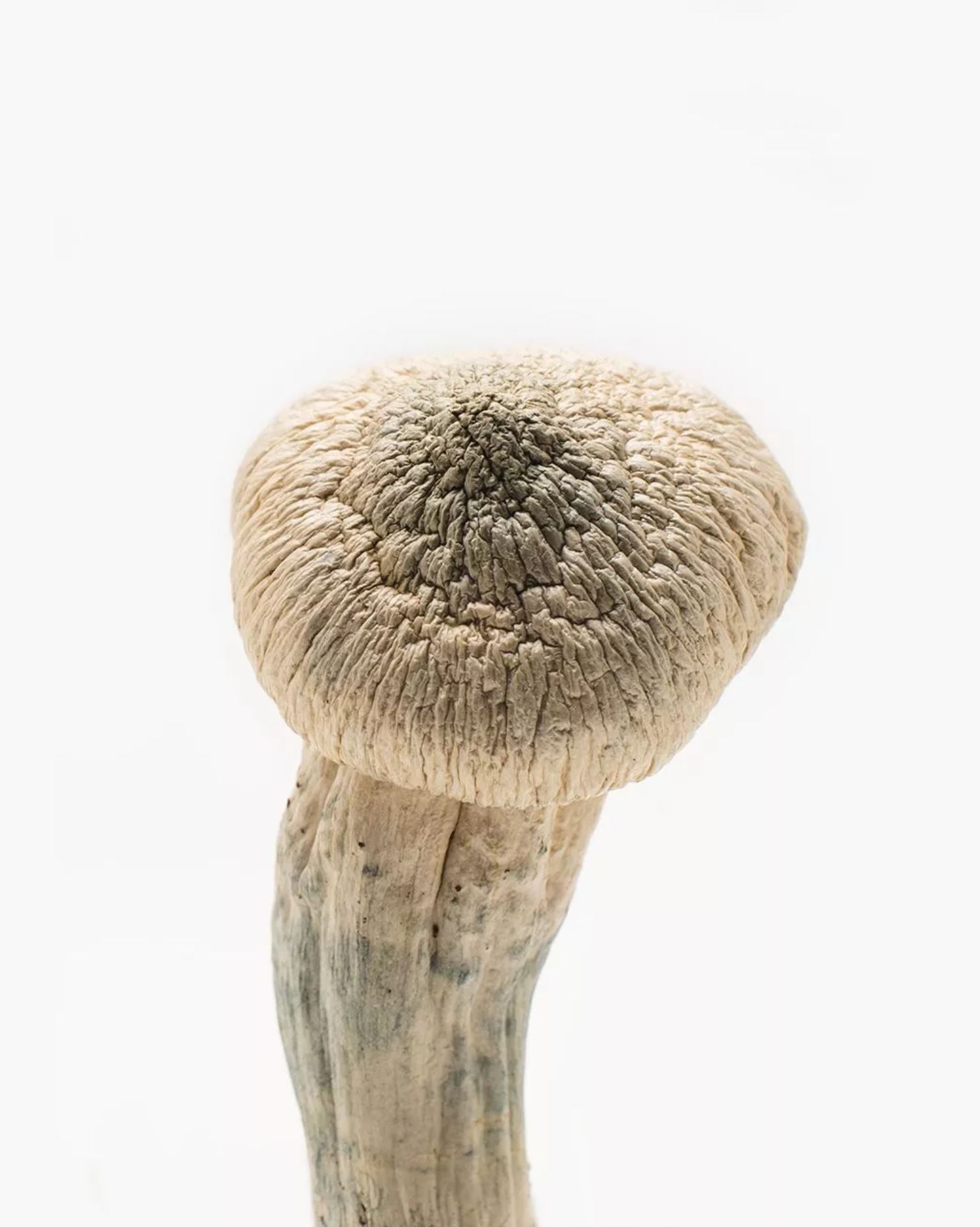
The academic study of psychoactive fungi has transformed global scientific landscapes, moving rapidly from historical folklore into clinical laboratories across the United Kingdom, the United States, and Western Europe. As research institutions in Germany, Switzerland, and Canada expand human clinical trials, deep public interest has shifted toward understanding individual fungal lineages. Far from being uniform, the world of psychoactive fungi consists of diverse species and customized strains. Each possesses a distinct historical origin, physical appearance, and chemical fingerprint.
Understanding the traits of these legendary strains is essential for taxonomists, medical researchers, and students of mycology. By examining how specific environmental adaptations and selective breeding change the development of these fungi, science gains deeper insight into their complex biochemical pathways. This educational overview provides an objective analysis of the world’s most notable varieties, tracing their biological features, structural behaviors, and current standing in modern science.
1. Taxonomic Fundamentals: Species vs. Strains in Mycology
To build a strong foundation in fungal education, one must understand how scientific systems organize these organisms. General entries hosted on Wikipedia categorize the vast majority of legendary strains under the single species Psilocybe cubensis. This coprophilous species thrives naturally in humid, tropical, and subtropical regions around the globe.
[Kingdom: Fungi] ---> [Species: Psilocybe cubensis] ---> [Cultivars / Strains]
While individual varieties belong to the same parent species, they are classified as distinct cultivars or strains due to unique mutations. These variations emerge from two primary factors:
- Environmental Adaptation: Wild populations alter their physical structures over many generations to survive localized weather conditions, soil compositions, and predatory threats.
- Human-Guided Isolation: In laboratory settings, researchers pair compatible mycelial networks on sterile agar plates to isolate specific mutations, such as thicker tissue or enhanced chemical production.
Preserving these traits through careful laboratory monitoring allows scientists to maintain consistent genetic baselines, ensuring predictable observations across multiple academic studies.
2. Iconic Fungal Lineages and Their Unique Traits
Several variants have achieved international recognition due to their reliable growth habits, distinctive appearances, and historical significance in establishing modern mycology.
The Distinctive Golden-Caramel Caps of Golden Teacher Mushrooms.
Golden Teacher: The Academic Benchmark
Perhaps the most famous strain within modern mycological history, the Golden Teacher variety serves as a standard reference point for laboratory observation. Visually, it features a classic elegant form with hollow, slightly tapered stems and broad, smooth caps that display a rich caramel or golden-brown hue. Cultivators favor this variety because its mycelium grows aggressively and resists common environmental contaminants. Its consistent growth habits make it an ideal educational tool for observing normal sporulation and life-cycle changes under a microscope.
B+ Variant: Environmental Resilience
The B+ strain is highly regarded for its exceptional physical size and ability to withstand shifting environmental conditions. In its native habitats, this variety produces thick, fibrous stalks and large, heavy caps that drop dense layers of dark purple-brown spores. Its structural durability allows it to survive temperature drops that would stall the growth of more delicate equatorial strains. This robust nature makes it a highly valuable sample for studying how fungi adapt to stress and change their cellular walls to survive colder climates.
3. High-Potency Mutations and Structural Deviations
Beyond standard wild-type strains, specific genetic deviations have fundamentally altered the physical boundaries of fungal development.
[Normal Wild Spores] ---> Genetic Isolation ---> [Dense, Slow-Growing Cellular Matrices]
The Penis Envy lineage represents one of the most significant physical mutations ever stabilized in laboratory settings. This variant features an unusually thick, dense stalk and a small cap that rarely expands, preventing the mushroom from dropping spores naturally. Because it lacks a functional partial veil, it grows slowly, giving the cellular matrix more time to synthesize high concentrations of active alkaloids.
Academic reports published by WorldScientificImpact.org indicate that these dense, slow-growing mutations consistently produce a higher ratio of secondary metabolites per gram of dry weight compared to thin, fast-growing wild strains. This reliable chemical density makes these advanced mutations highly valuable for pharmaceutical standardization and precise laboratory analysis.
4. Wood-Loving Species and Alternate Genuses
While Psilocybe cubensis dominates indoor scientific research, other distinct species thrive in the cold, outdoor environments of the Pacific Northwest, southeastern Australia, and coastal Europe.
Psilocybe Azurescens Growing Outdoors in Wood Chip Substrates.
Psilocybe azurescens: Coastal Adaptations
Discovered in the coastal regions of the western United States, Psilocybe azurescens is recognized as one of the most potent wild species found in nature. It grows primarily in cold, wet wood chips and coastal grasses, developing a intense chemical profile designed to withstand harsh outdoor weather. Visually, it displays a distinct sharp point on its cap and bruises a deep, dark blue almost instantly when handled, showing a rapid reaction to ambient oxygen.
Psilocybe cyanescens: Wavy Cap Formations
Commonly known as “wavy caps,” Psilocybe cyanescens features a unique, undulating cap edge that becomes highly pronounced as the mushroom reaches maturity. This species thrives in cold autumn climates across the United Kingdom and Central Europe, utilizing complex wood lignins to power its growth. Studying these wood-loving species provides researchers with valuable data on how fungi break down tough plant materials and synthesize active compounds outside of controlled indoor labs.
5. Global Legal Context and Academic Parameters
The cross-border exchange of mycological data depends entirely on regional laws, which vary widely across different countries and continents.
| Nation | Spore Legality | Whole Fungi Classification | Clinical Status |
| United States | Legal in 47 states for microscopic study | Schedule I Controlled Substance | Breakthrough therapy status for specific trials |
| United Kingdom | Banned if intended for cultivation | Class A Controlled Substance | Restricted to approved institutional licenses |
| Netherlands | Restricted for whole fungi | Sclerotia fully permitted for commercial sale | Open commercial and therapeutic application |
| Australia | Strictly controlled import parameters | Prohibited outside medical use | Down-scheduled for specific clinical prescriptions |
| Brazil | Completely open for native specimens | Decriminalized at the consumer level | Broad freedom for academic research |
Because handling mature whole fungi carries severe legal penalties in many parts of the world, research teams often focus on non-regulated life stages or look into legal botanical alternatives. This allow scientists to safely map out fungal genomes and study cellular division without violating local or international pharmaceutical laws.
6. Sourcing Standardized Fungi and Mycological Alternatives
Because working with restricted species presents significant regulatory hurdles for institutions throughout the UK and Europe, attention has increasingly shifted toward permitted categories and consumer-friendly wellness options.
       [Mycological Research Categories]
                       |
      +----------------+----------------+
      |                                 |
[Live Organisms]               [Processed Formulations]
(Fresh / Grow Kits)             (Edibles / Extractions)
For scholars operating under strict regional guidelines, sourcing certified legal samples from trusted platforms like ukmushroom.uk provides an excellent way to maintain full compliance with all local laws. Researchers can explore several distinct, fully permitted categories to study complex mycelial growth and commercial processing methods:
- Subterranean Hardened Structures: Researchers studying survival strategies can utilize options like magic truffles for sale uk to observe how subterranean sclerotia protect vital nutrients during long periods of environmental dormancy.
- Indoor Development Observation: Tracking active structural changes is made simple by utilizing mushroom grow kits uk, which let laboratories monitor real-time cellular expansion and stalk development.
- Live Culinary Formulations: Examining active cellular tissue is highly efficient when utilizing fresh mushrooms uk to study how fresh fungal cells interact with external atmospheric elements.
- Commercial Infusion Dynamics: Evaluating the stability of natural nutrients during food manufacturing is simplified by reviewing mushroom edibles to see how heat and storage affect compound longevity.
7. Comparative Ethnopharmacology and Global Botanical Compounds
To truly understand how these famous fungal varieties fit into modern science, it helps to compare them to other natural alkaloids used in traditional practices across Africa and South America. For example, the detailed study of West African root extracts at ibogawell.com shows how different natural chemicals target distinct brain receptors to help disrupt chronic addiction pathways.
Furthermore, tracking how these traditional plants enter modern consumer markets is simplified by analyzing established brands like ukmushroom.com, which highlights the growing intersection of traditional herbal options and mainstream wellness products.
     [Global Alkaloid Framework]
                 |
      +----------+----------+
      |                     |
[Fungal Tryptamines]  [Plant Isoquinolines]
(Magic Mushroom Strains) (Iboga / Cacti Extracts)
This cross-disciplinary research helps scientists map out a wide range of natural compounds, each offering unique applications for health and wellness:
- West African Root Extractions: Researchers investigating advanced neural recovery can visit specialized portals like buy ibogaine in the uk to study how dense root bark isolates interact with central nervous system pathways.
- Arid Plant Chemical Defenses: For laboratories tracking chemical synthesis in slow-growing desert plants, analyzing specimens via mescaline cacti uk offers an excellent look at how desert plants produce protective compounds over decades.
- Clinical Research Protocols: For medical teams exploring how modern science standardizes natural options for patient care, tracking clinical platforms like shroomrelief.com provides updates on global therapeutic trends.
- Consumer Delivery Innovations: Evaluating how natural ingredients are introduced to mainstream markets is made easier by reviewing popular commercial brands like buyoneupmushroombar.us.
- Standardized Daily Comfort: Scientists examining alternative comfort pathways can analyze options like pain relief pills to see how natural compounds are measured and standardized for reliable use.
- End-of-Life Sedation Archives: For historical insights into how medical systems transition from heavy sedatives to modern psychological care, archives like buynembutalpainrelief.com document the evolution of clinical comfort methodologies.
8. Laboratory Isolation and Tissue Cloning Protocol
To ensure genetic purity and prevent contamination when duplicating famous mushroom strains, laboratory teams must follow strict, multi-step cleanroom procedures.
1.Decontamination of the Workspace:
Phase 1.
Thoroughly sanitize the inside of a horizontal laminar flow hood using a 70% isopropyl alcohol solution. Run the internal HEPA filtration system for at least 25 minutes to ensure the air is free of wild spores or dust.
2.Internal Tissue Extraction:
Phase 2.
Select a healthy, mature mushroom specimen. Using a flame-sterilized scalpel, split the dense stalk open lengthwise to expose the clean internal fibers, ensuring the blade never touches the contaminated outer skin.3.Agar Plate Inoculation:Phase 3.Carefully slice a tiny, 2mm piece of clean tissue from the center of the stalk. Place the sample directly onto a sterile malt extract agar plate, closing and sealing the lid immediately with parafilm tape.
3.Agar Plate Inoculation:
Phase 3.
Carefully slice a tiny, 2mm piece of clean tissue from the center of the stalk. Place the sample directly onto a sterile malt extract agar plate, closing and sealing the lid immediately with parafilm tape.
4.Incubation and Quality Monitoring:
Phase 4.
Store the inoculated agar plates in a dark, temperature-controlled incubator kept steadily between 22°C and 24°C. Check the plates daily for pure white, uniform mycelial growth, removing any dishes that show signs of mold or bacterial growth.
9. Conclusion: The Value of Genetic Preservation
The vast array of famous magic mushrooms highlights the incredible diversity and evolutionary success of the fungal kingdom. From the resilient B+ variant to the unique structural mutations of the Penis Envy lineage, every strain provides science with a valuable template for studying genetic expression and chemical synthesis.
As global research networks continue to connect laboratories across Europe, the Americas, and Australia, preserving these distinct lineages remains essential. By combining traditional tissue cloning with modern gene sequencing, science will continue to unlock the biological mechanisms, ecological roles, and therapeutic potential of these extraordinary organisms.
References
- Kurzbaum, E., Páleníček, T., Shrchaton, A., Azerrad, S., & Dekel, Y. (2025). Exploring Psilocybe cubensis Strains: Cultivation Techniques, Psychoactive Compounds, Genetics and Research Gaps. Journal of Fungi, 11(2), 99. https://doi.org/10.3390/jof11020099 Cited by: 18
- McKernan, K., Kane, L. T., Crawford, S., Chin, C. S., Trippe, A., & McLaughlin, S. (2021). A draft reference assembly of the Psilocybe cubensis genome. F1000Research, 10, 281. https://doi.org/10.12688/f1000researc
No Responses