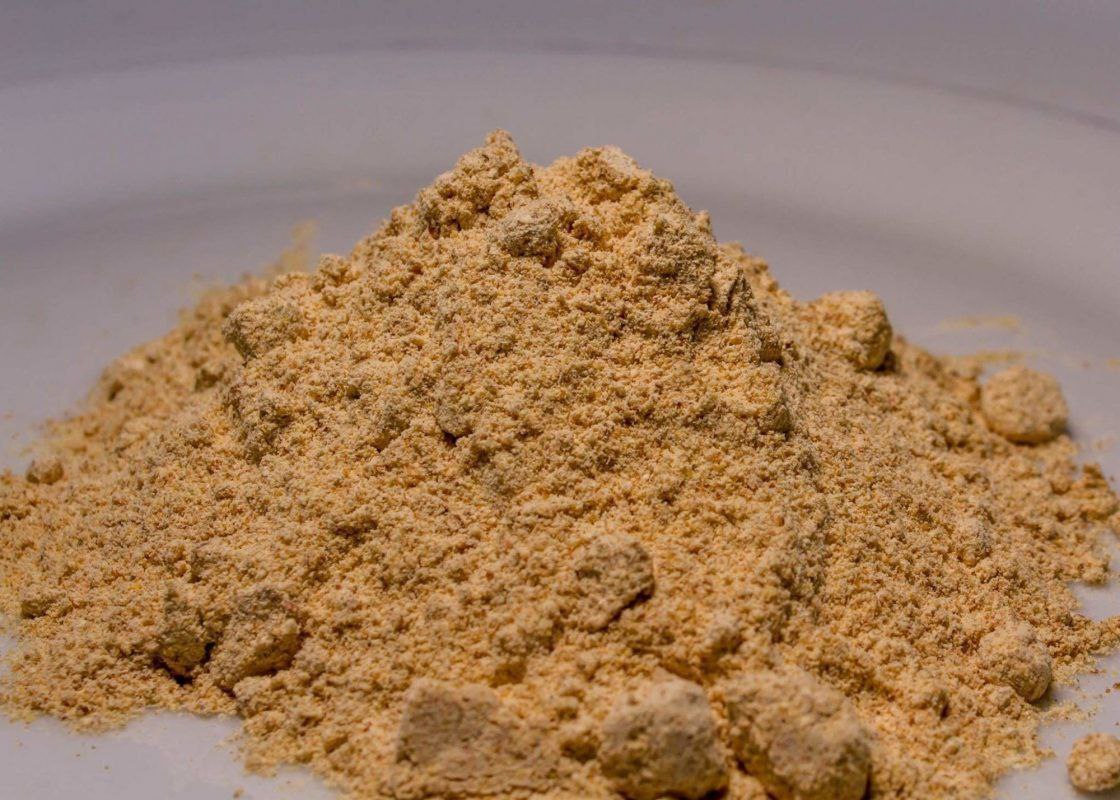
Ibogaine is a powerful psychoactive substance derived from the root bark of the West African shrub Tabernanthe iboga. Historically utilized in Central African spiritual practices like the Bwiti religion, it has caught the attention of global researchers, medical professionals, and individuals seeking alternative therapeutics. As public interest in psychedelic-assisted therapies rises, understanding the balance of clinical efficacy and physiological danger is vital.
This guide reviews the potential benefits and risks of ibogaine, detailing its distinct neurological mechanism, legal standing across ten countries, and essential safety guidelines.
What is Ibogaine and How Does It Work?
Ibogaine is an atypical psychedelic alkaloid. Unlike classic psychedelics like psilocybin or LSD, which primarily stimulate the serotonin $5-\text{HT}_{2\text{A}}$ receptors, ibogaine interacts with a broad network of neurotransmitter systems.
It functions as an antagonist at $N$-methyl-$D$-aspartate (NMDA) receptors, binds to kappa opioid receptors, blocks serotonin and dopamine transporters, and acts as a potent agonist at sigma-2 receptors. This complex pharmacological profile alters brain chemistry in ways that are uniquely suited for disrupting deeply ingrained habits and psychological loops.
When ingested, the liver metabolizes ibogaine into noribogaine. Noribogaine remains in the body far longer than the parent compound, extending its neurochemical impact over several days or weeks. This sustained action stimulates the expression of neurotrophic factors, including Glial Cell Line-Derived Neurotrophic Factor (GDNF), which promotes the growth and survival of neurons. This process helps repair damaged neural pathways and facilitates structural changes in areas of the brain responsible for habit formation, learning, and emotional regulation.
Potential Benefits of Ibogaine
The therapeutic potential of ibogaine stems from its ability to prompt deep psychological introspection while simultaneously altering physical dependencies in the central nervous system.
Interrupting Substance Use Disorders and Withdrawal
The primary reason people seek out ibogaine is its remarkable ability to halt chemical dependencies, particularly regarding opioids like heroin, fentanyl, and prescription painkillers.
In the brain, ibogaine effectively resets the opioid receptors. This mechanism significantly dampens or completely eliminates acute withdrawal symptoms within hours of administration. For individuals dealing with severe dependencies, avoiding painful withdrawal symptoms removes a massive initial barrier to recovery.
Furthermore, clinical research shows that ibogaine drastically minimizes post-acute cravings for alcohol, cocaine, and nicotine, giving individuals a crucial window of sobriety to establish long-term recovery habits.
Inducing Neuroplasticity and Brain Repair
Chronic substance use or psychological trauma can leave the brain locked in rigid, repetitive loops, a state often accompanied by degraded white matter pathways. Ibogaine promotes neuroplasticity, the brain’s ability to reorganize itself by forming new neural connections.
By upregulating markers of myelination (the formation of protective sheaths around nerve fibers), ibogaine supports the repair of white matter pathology caused by prolonged substance exposure or traumatic brain injuries. This neurological reset gives individuals the mental flexibility needed to replace destructive habits with healthier, constructive behavioral patterns.
Psychological Introspection and Trauma Resolution
An ibogaine experience typically lasts between 24 to 36 hours and often includes a deep, dream-like state. During this period, users frequently report viewing their life events, childhood memories, and past traumas from a detached, objective perspective.
This profound psychological processing allows individuals to confront and resolve the underlying emotional pain, guilt, or trauma that may have driven their addictive behaviors in the first place. This makes ibogaine a powerful catalyst for rapid emotional breakthrough when combined with proper therapeutic integration.
Serious Risks and Medical Concerns
Despite its clear therapeutic potential, ibogaine is one of the most physically demanding psychedelics known, carrying severe, potentially life-threatening risks that require strict medical oversight.
Cardiotoxicity and Arrhythmia
The most significant danger associated with ibogaine is its effect on the heart. Ibogaine blocks hERG potassium channels in the cardiac muscle, which delays the heart’s electrical repolarization. This delay leads to QT interval prolongation, a condition that can trigger a dangerous, erratic heart rhythm known as Torsades de Pointes.
Without immediate medical intervention, this arrhythmia can cause sudden cardiac arrest. Consequently, individuals with pre-existing heart conditions, such as coronary artery disease or congenital long QT syndrome, face an exceptionally high risk of complications.
Drug-Drug Interactions and Metabolic Demands
Because the liver converts ibogaine to noribogaine via the CYP2D6 enzyme pathway, any substance that blocks or relies on this same enzyme can create dangerous interactions. Combining ibogaine with certain medications—such as specific antidepressants, antipsychotics, or anti-arrhythmics—can cause toxic levels of the alkaloid to accumulate in the bloodstream, greatly increasing the risk of heart failure.
Additionally, using opioids, stimulants, or alcohol while ibogaine is in the system can lead to accidental overdoses due to the sudden reset of the body’s tolerance levels.
Neurological and Psychological Vulnerabilities
At high doses, ibogaine can cause temporary neurological side effects, including severe ataxia (loss of motor coordination) and intense physical tremors.
For individuals with a personal or family history of psychotic disorders, bipolar mania, or severe schizophrenia, the intense psychoactive nature of an ibogaine experience can trigger prolonged psychiatric distress, acute mania, or visual and auditory hallucinations that persist long after the drug has cleared the body.
Legal and Regulatory Framework by Country
The legal landscape surrounding ibogaine is highly fragmented, ranging from strict criminalization to authorized prescription use.
United States
In the United States, ibogaine is classified as a Schedule I controlled substance under the Controlled Substances Act. The federal government deems it to have a high potential for abuse and no accepted medical use. Manufacturing, distributing, or possessing ibogaine for therapeutic purposes remains entirely illegal outside of rare, FDA-approved clinical trials.
Canada
Canada regulates ibogaine under the Controlled Drugs and Substances Act, listing it under Schedule III. While unapproved sales are restricted, healthcare practitioners can request access to ibogaine through Health Canada’s Special Access Programme (SAP) for patients facing severe, treatment-resistant substance use disorders when other conventional avenues have failed.
Brazil
Brazil maintains a unique regulatory approach. The substance is listed as a controlled medication, and major medical centers in states like São Paulo legally administer ibogaine-assisted therapy within hospital settings. These treatments require a formal medical prescription, a thorough psychiatric evaluation, and continuous ECG monitoring throughout the procedure.
Mexico
Mexico does not explicitly include ibogaine on its national schedule of forbidden narcotics. This legal flexibility has allowed numerous private clinics, retreats, and specialized medical centers to operate openly across the country. Many international patients travel to Mexico to receive ibogaine-assisted detoxification in these specialized facilities.
Australia
Australia’s Therapeutic Goods Administration (TGA) classifies ibogaine as a Schedule 4 (Prescription Only Medicine) substance. It is not approved for general public distribution, but psychiatrists who secure Authorized Prescriber status can legally utilize it to treat specific, treatment-resistant substance use dependencies within authorized clinical facilities.
New Zealand
New Zealand became an early pioneer in ibogaine regulation by classifying it as a non-approved prescription medicine under the Medicines Act. This allows registered medical practitioners to legally prescribe and administer pure ibogaine to patients, provided the treatment occurs under strict clinical supervision with appropriate emergency cardiovascular equipment on hand.
United Kingdom
In the United Kingdom, ibogaine is illegal to produce, supply, import, or export under the Psychoactive Substances Act. While it is not explicitly scheduled under the Misuse of Drugs Act like heroin or MDMA, possessing it with the intent to distribute or supplying it for its psychoactive effects carries substantial legal penalties.
Netherlands
The Netherlands restricts the industrial sale and manufacturing of ibogaine formulations. While the country’s famous smartshops legally distribute specific psychoactive items, ibogaine is excluded from these retail channels due to its cardiotoxic profile. Clinical administration occurs exclusively via highly specialized, underground, or experimental research networks.
Germany
Germany regulates ibogaine strictly under the Medicines Act (Arzneimittelgesetz). It is illegal to manufacture or distribute the substance without an official pharmaceutical license. While simple personal possession is rarely prosecuted as aggressively as classic narcotics, importing ibogaine without a valid prescription or license is a serious legal offense.
Switzerland
Switzerland maintains a strict control framework for psychoactive materials. While Swiss authorities allow case-by-case exemptions for specific compounds like MDMA or psilocybin for treatment-resistant mental health conditions, ibogaine remains tightly restricted. It is accessible only within highly controlled, approved academic research environments.
Safety Guidelines and Harm Reduction Standards
Because of the physical risks involved, attempting an ibogaine session alone or without medical equipment is extremely dangerous. True harm reduction requires adhering to strict medical and screening protocols.
Essential Pre-Treatment Screenings
Before taking ibogaine, individuals must undergo a comprehensive medical evaluation. This includes a 12-lead Electrocardiogram (ECG) to screen for long QT intervals, pre-existing arrhythmias, or structural heart anomalies.
Full liver and kidney function panels are also vital to ensure the body can safely metabolize and excrete the compound.
Professional Clinical Supervision
An ibogaine session should always take place under the direct supervision of qualified medical staff, including ACLS-certified nurses or physicians.
The treatment space must be equipped with continuous cardiac monitors, an automated external defibrillator (AED), and intravenous fluids or medications (such as magnesium sulfate) to quickly address any sudden changes in heart rhythm.
Therapeutic Integration and Aftercare
The physical reset provided by ibogaine is simply an opening. Long-term recovery requires post-treatment integration, such as ongoing psychotherapy, cognitive behavioral counseling, or participation in peer support groups.
Addressing the behavioral and environmental roots of addiction is essential to maintaining the clarity gained during the experience.
Comparative Analysis of Psychoactive Therapeutics
To see how ibogaine compares to other functional natural products and traditional medical interventions, review the breakdown below:
| Substance / Therapy | Primary Mechanism | Clinical Focus | Primary Risk Factors |
| Ibogaine Therapy | NMDA antagonist; Kappa opioid & Sigma-2 agonist | Opioid withdrawal reset; intense trauma processing | QT prolongation, severe arrhythmia, bradycardia |
| Psilocybin / Truffles | Serotonin $5-\text{HT}_{2\text{A}}$ receptor agonist | Major depression, existential anxiety, PTSD | Psychological distress, temporary paranoia |
| Methadone Maintenance | Mu-opioid receptor full agonist | Long-term harm reduction; craving suppression | Extended dependency, potential for fatal overdose |
| Mescaline Therapy | Phenethylamine; Serotonin agonist | Emotional breakthrough, alcohol dependency | Gastrointestinal distress, acute anxiety |
Exploring Alternative Natural Products and Supports
For individuals exploring options outside of intensive ibogaine clinics, a variety of legal alternative natural products, cultivation kits, and supportive resources are available globally.
- Premium Quality Botanical Cultivation: Exploring home mycology using a flexible mushroom grow kits uk allows enthusiasts to study fungal development safely. For those seeking immediate observation options, acquiring pre-grown, sterile fresh mushrooms uk offers an excellent pathway for botanical research.
- Confections and Specialized Infusions: The market for functional alternatives includes professionally prepared options like mushroom edibles, which provide pre-measured, precise formatting for users looking to avoid raw botanicals.
- Traditional Ethnobotanical Options: For those interested in classic psychoactive options beyond West African plants, exploring options like magic truffles for sale uk offers standard serotonergic alternatives. Additionally, historical varieties like mescaline cacti uk provide traditional alternatives used for centuries in alternative healing systems.
- Standard Pain Relief Formulations: For individuals managing chronic physical discomfort without relying on intense psychedelic resets, exploring conventional options like pain-relief pills offers a stable, practical approach to daily discomfort.
Strategic Reference and Resource Index
To find additional information regarding harm reduction networks, therapeutic resources, and historical background information, consult these dedicated web portals:
- Comprehensive Informational Platforms: For detailed scientific histories and botanical profiles, review the comprehensive articles on Wikipedia.
- Global Research Distribution Networks: To track recent publications on psychedelic science, look at WorldScientificImpact.org.
- Specialized Therapeutic Networks: For detailed guidance on clinical ibogaine protocols, visit ibogawell.com. To explore alternative support frameworks and recovery networks, check out shroomrelief.com.
- Functional Alternative Products: To find premium functional varieties and artisanal options, check out ukmushroom.com alongside the selections available at buyoneupmushroombar.us.
- Advanced Chronic Pain Support: For specialized updates on prescription pain management options, review buynembutalpainrelief.com.
Comprehensive Sourcing Options for European Researchers
For researchers and consumers looking to acquire legal botanicals or standard therapeutic options within permitted jurisdictions, selecting a transparent provider ensures safety and product purity.
High-Purity Ibogaine Formulations
When sourcing raw materials for legitimate academic or therapeutic applications, purchasing through a certified pipeline like the specialized buy ibogaine in the uk portal ensures that products undergo thorough lab testing, helping buyers avoid contaminated or low-quality materials.
Comprehensive Global All-Product Inventories
For buyers seeking a wide variety of lab-tested options, browsing the unified all products index at ukmushroom.uk offers clear insight into standard strengths, extraction methods, and clear chemical breakdowns. This level of transparency is essential for making informed decisions regarding alternative wellness products.
Critical Health Warning: Ibogaine is an exceptionally powerful compound that strains the cardiovascular system. Never ingest ibogaine without a clean bill of health, an up-to-date ECG reading, and a qualified medical professional present to monitor your vitals.
No Responses