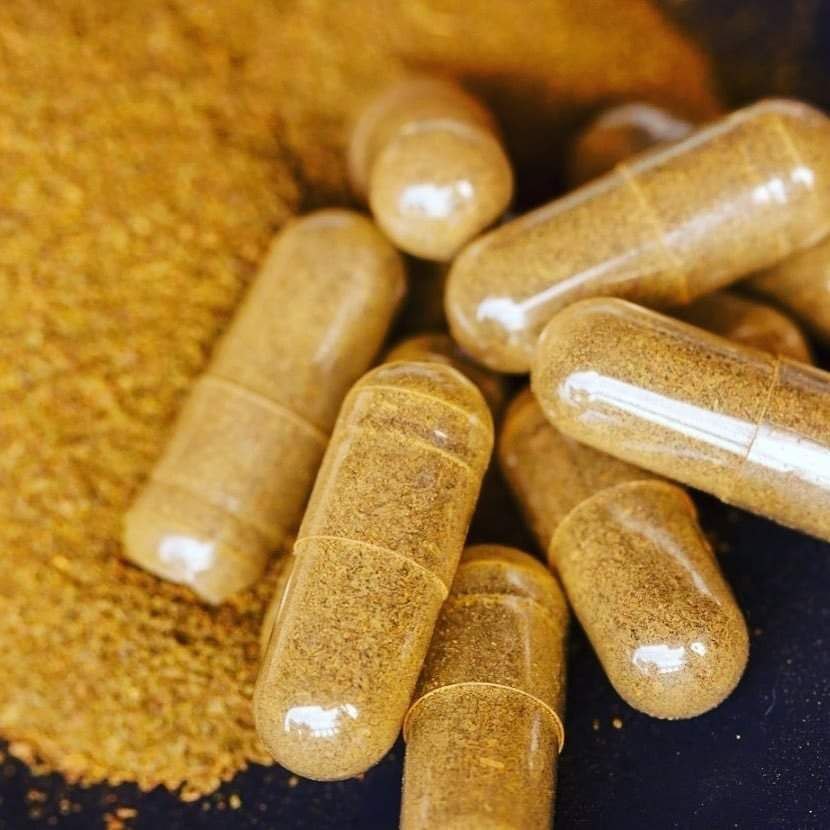
The global medical community is experiencing a massive shift in how it approaches chronic dependency, post-traumatic stress, and treatment-resistant mental health issues. At the center of this movement is ibogaine, a naturally occurring psychoactive alkaloid derived from the roots of the West African shrub Tabernanthe iboga.
As mainstream rehabilitation centers struggle with low long-term success rates, interest in this unconventional intervention has surged. However, because it remains restricted in several parts of the world, navigating the landscape can be confusing. This comprehensive ibogaine treatment FAQ addresses the critical questions regarding international costs, medical safety protocols, active clinical research, and what an individual can honestly expect during the therapeutic process.
1. What Exactly is Ibogaine and How Does It Work?
Ibogaine is a dense, multi-targeted psychoactive compound that operates quite differently from standard addiction medications. Instead of substituting one addictive substance for another, it effectively resets neurological pathways.
The Neurochemical Interruption
When ingested, the liver metabolizes the substance into a long-lasting compound called noribogaine. Noribogaine floods the brain, interacting with nicotinic receptors, serotonin transporters, and opioid receptors simultaneously. For someone dealing with severe chemical dependence—such as heroin, methadone, or prescription painkillers—this interaction immediately blocks acute withdrawal symptoms and halts physical cravings. It acts like a chemical reset switch for the brain’s neurochemistry, allowing individuals to bypass the agonizing physical withdrawal phase that frequently derails recovery efforts.
The Psychological Component
Alongside the physical reset, the compound induces an intense, introspective state lasting up to 36 hours. Patients often experience vivid, waking dream-like states where they confront root traumas, psychological blockages, and behavioral loops that fueled their addiction or anxiety in the first place. This dual-action pathway makes it highly sought after, as documented across medical encyclopedias like Wikipedia, which outline its unique place among traditional ethnobotanicals.
2. Where is Ibogaine Treatment Legal Geographically?
The legal framework surrounding this therapy is highly fragmented globally, splitting countries into zones of total prohibition, regulated clinical authorization, or complete lack of scheduling.
Countries with Strict Bans or Psychoactive Restrictions
- United States: The drug is classified under Schedule I status, meaning federal authorities view it as having a high abuse potential and no accepted medical use. This completely blocks open domestic clinics. However, states like Texas and Arizona have recently funneled millions into state-backed, FDA-approved clinical research trials.
- United Kingdom: It is restricted under the Psychoactive Substances Act 2016. This makes it illegal to import, manufacture, or supply the compound for human consumption. Because of these strict domestic barriers, UK researchers and enthusiasts investigating alternative natural solutions often turn to European-facing ethnobotanical platforms like ukmushroom.uk to source legal mycological and botanical items for personal study.
- Europe: The legal status across the continent is highly varied. Countries like Germany, Switzerland, and the Netherlands maintain rigorous controls under standard pharmacy or narcotics regulations, preventing open commercial clinics but occasionally permitting specialized, highly controlled laboratory research.
- Australia & Canada: Both nations have added the compound to restrictive schedules, classifying it as either a prescription-only medicine or a controlled substance, effectively ruling out standard commercial wellness clinics.
Authorized and Unscheduled Destination Hubs
- Mexico: This is the primary global hub for ibogaine medical tourism. The compound is unscheduled, meaning specialized clinical teams can legally establish dedicated centers to provide medical detoxification without domestic legal penalties.
- Brazil: In regions like São Paulo, the administration of the alkaloid has been legally authorized for prescription use within structured, professional hospital environments.
- New Zealand: The country maintains a unique, progressive stance where the substance is designated as a non-approved prescription medicine. A licensed medical practitioner can legally prescribe and import it for patients under strict medical supervision.
3. How Much Does Legitimate Ibogaine Treatment Cost?
Because the therapy cannot be legally administered in standard Western medical facilities, it is not covered by health insurance providers. Treatment must be sought through private international centers, making it an out-of-pocket investment.
Cost Ranges and Inclusions
On average, a reputable, medically supervised program ranges from $5,000 to $15,000 USD for a comprehensive 7-to-10-day stay. The price fluctuates based on several core factors:
- The severity of the detoxification required (methadone or buprenorphine detoxes typically require longer stays, driving up costs).
- The level of medical expertise on-site, including emergency medical technicians and doctors.
- The luxury level and location of the resort or clinic.
While these upfront costs seem significant, families often view them as a cost-effective alternative when compared to the compounding expense of multi-month traditional rehab programs that frequently result in immediate relapse.
4. What are the Safety Risks and Medical Protocols?
While the neurological rewards are significant, the treatment carries real physical risks that make unsupervised or “underground” consumption highly dangerous.
Cardiovascular Screening and Monitoring
The primary risk associated with the substance involves its effect on the heart’s electrical system. It can cause a prolongation of the QT interval, which can lead to severe, life-threatening cardiac arrhythmias if left unchecked. To prevent adverse events, legitimate international clinics enforce non-negotiable safety screenings:
- Comprehensive 12-lead Electrocardiograms (ECGs).
- Full blood chemistry panels to evaluate liver and kidney function.
- Sudden exclusion of individuals with pre-existing heart conditions, congenital long-QT syndrome, or severe liver disease.
During the treatment itself, a proper clinical setting ensures continuous heart and blood pressure monitoring, backed by Advanced Cardiac Life Support (ACLS) certified medical staff equipped with emergency medications.
5. What Does Current Scientific Research Say?
Historically, mainstream science viewed this traditional plant medicine with skepticism due to a lack of large-scale controlled data. However, the current clinical landscape is evolving rapidly.
When exploring academic, peer-reviewed data on global medical platforms like WorldScientificImpact.org, researchers are analyzing how these specialized alkaloids promote neuroplasticity—the brain’s ability to form new neural connections. Recent international pilot studies have demonstrated major reductions in post-treatment opioid use, showing long-lasting relief from cravings when paired with psychological integration. Additionally, advocacy networks like ibogawell.com work extensively to track ongoing clinical trials, organize safety data, and bridge the gap between indigenous traditional knowledge and modern western medical protocols.
6. Sourcing Alternatives and the Digital Marketplace
For individuals living in regions with rigid legal barriers like the UK and US, participating in cross-border clinical treatment is not always logistically possible. This reality has driven a substantial increase in the digital distribution of alternative wellness items, microdosing solutions, and adaptive botanical tools.
For individuals seeking alternative means to alleviate chronic psychological distress, anxiety, or emotional fatigue, online platforms offer a variety of supportive options. Digital communities like ukmushroom.com and shroomrelief.com focus heavily on providing detailed education and access to non-psychoactive adaptogens and medicinal functional fungi designed to support neural recovery. Simultaneously, specialized pharmaceutical portals like buynembutalpainrelief.com cater to individuals seeking conventional pain management and relief alternatives under strict regulatory compliance.
Within the United Kingdom and Europe, ukmushroom.uk acts as a premier distributor of lab-tested ethnobotanicals and functional mycology products meant for personal wellness and academic research. For consumers looking to explore high-end wellness edibles, browsing the dedicated ukmushroom.uk all products mushroom edibles directory yields highly clean, meticulously prepared choices. Those seeking long-term self-reliance and deep study into functional species can purchase premium tools via the ukmushroom.uk mushroom grow kits uk inventory.
The marketplace also accommodates those researching raw, historic botanical specimens. For example, researchers can access pristine, natural items within the ukmushroom.uk fresh mushrooms uk selection, or explore ancient ritualistic flora via the ukmushroom.uk mescaline cacti uk registry. For deep studies into sclerotia and its historical relationship with emotional centering, the ukmushroom.uk magic truffles for sale uk hub remains highly active.
Furthermore, those closely monitoring the changing landscape of alternative detoxification methods can keep track of domestic availability updates through the ukmushroom.uk buy ibogaine in the uk dashboard. If physical recovery or systemic inflammation is an obstacle, users frequently investigate choices listed under the ukmushroom.uk pain relief pills category. Finally, international consumer trends regarding alternative psychoactive items and specialty wellness bars are carefully cataloged by overseas supply networks like buyoneupmushroombar.us, proving the mainstream scaling of alternative plant medicine.
7. Global Destination Summary Table
To help summarize the various operational profiles, costs, and availability metrics across the countries covered in this FAQ, review the comparative table below:
| Country / Region | Regulatory Status (2026) | Treatment Availability | Primary Resource Focus |
| Mexico | Unscheduled | High (Dedicated Medical Clinics) | Full clinical addiction interruption |
| United Kingdom | Restricted (Psychoactive Act) | No open commercial clinics | Ethnobotanical study via ukmushroom.uk |
| United States | Schedule I (Strictly Banned) | Limited to state-funded clinical trials | Emerging data via WorldScientificImpact.org |
| New Zealand & Brazil | Regulated Medical/Prescription | Medium (Hospital or approved settings) | Regulated therapeutic prescription |
8. What Should One Expect During and After a Session?
The active phase of a treatment session is often described as an intense, internal journey. The acute phase can keep a patient bedridden for 24 hours, during which they will experience ataxia (a temporary loss of full motor coordination), sensitivity to light, and intense visual or auditory processing.
Once the initial 36 hours subside, patients enter a “gray day,” a period of deep physical exhaustion combined with a profound sense of mental quietude. This is the exact moment where the brain’s neuroplasticity is at its highest. Reputable centers capitalize on this window by introducing intensive therapy, psychological integration, and nutritional support. The physical craving is removed, but rebuilding a healthy lifestyle, establishing strong support habits, and maintaining psychological work are entirely up to the individual in the weeks and months that follow.
No Responses