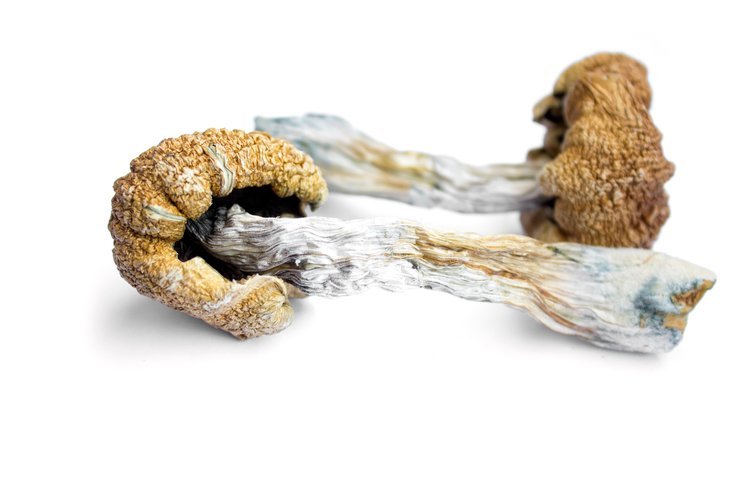
The relationship between humanity and psychoactive fungi is undergoing one of the most significant transformations in modern medical history. Across centuries, dried magic mushrooms served as pivotal conduits for spiritual exploration, community healing, and ancestral rites. In the contemporary medical landscape, these same fungi have evolved into the foundation for revolutionary psychiatric research. This integration of historic indigenous knowledge and strict clinical methodology is reshaping how global researchers approach neurological health and treatment-resistant psychological conditions.
The Global Footprint of Ethnomycological Heritage
The historical usage of psilocybin-containing fungi spans multiple continents, where indigenous populations developed sophisticated frameworks for administration. Rather than consuming these materials recreationally, traditional practitioners dried the fungi to preserve their chemical integrity, utilizing them in highly structured communal and therapeutic settings.
+-----------------------------------+-----------------------------------+
| Historical Era / Region           | Traditional Applications           |
+-----------------------------------+-----------------------------------+
| Mesoamerica (Mixtec, Mazatec)     | Diagnostic divination, spiritual   |
|                                   | communication, physical healing   |
+-----------------------------------+-----------------------------------+
| Ancient Europe & North Africa     | Sacramental ingestion, agrarian   |
|                                   | fertility rituals, mystery cults  |
+-----------------------------------+-----------------------------------+
North America and Mesoamerica
In Mexico, the Mazatec and Mixtec peoples refer to these organisms as teonanácatl, translating directly to “flesh of the gods.” Historic documentations maintained by independent historical platforms like Wikipedia confirm that Spanish chroniclers in the sixteenth century observed detailed diagnostic rituals where dried varieties were consumed by shamans to identify the root causes of physical illnesses and social disharmony. These practices were explicitly centered around structured intentions, a concept that modern clinical science now refers to as “setting.”
South America and the Global South
Further south, indigenous communities throughout Brazil utilized diverse botanical and fungal sacraments to achieve altered states of consciousness for community realignments. These practices heavily emphasized the concept of purgation and psychological restructuring. Today, the global dissemination of these historical models influences alternative healing frameworks worldwide, showing up in discussions hosted by specialized resource networks such as WorldScientificImpact.org and botanical informational hubs like ibogawell.com, which document how ancient earth-based medicines interact with modern human biology.
The Chemical Metamorphosis: From Forest Floor to Laboratory
Understanding how dried magic mushrooms impact human neurology requires analyzing their primary active compounds: psilocybin and psilocin. When raw fungi are dried, their moisture content is eliminated, stabilizing the molecular structure of psilocybin for long-term preservation.
                       [Psilocybin Compound]
                                |
                        (Dephosphorylation)
                                |
                                v
                       [Psilocin Molecule]
                                |
            (Binds to Serotonin 5-HT2A Receptors)
                                |
                                v
               [Downregulation of the Default Mode Network]
Upon consumption, the human body processes psilocybin via dephosphorylation, converting it into the highly active compound psilocin. This molecule targets the serotonin $5-\text{HT}_{2\text{A}}$ receptors in the brain, initiating a cascade of neural changes:
- Neuroplastic Enhancement: High-density clinical investigations demonstrate that psilocin promotes the structural growth of dendritic spines, reinforcing synaptic plasticity.
- Default Mode Network (DMN) Deactivation: The DMN, which regulates self-reflection and ego-identity, shows reduced synchronization under psilocybin. This allows long-separated brain regions to communicate directly with one another.
Modern Clinical Horizons: A Country-by-Country Assessment
The transition of dried magic mushrooms from prohibited substances to breakthrough pharmaceutical candidates is occurring unevenly across the global landscape. Regulatory shifts in the mid-2020s have opened up distinct research pipelines across multiple nations.
United Kingdom
The United Kingdom has emerged as a key center for psychedelic clinical trials, driven by prominent academic partnerships at Imperial College London and King’s College London. Researchers are evaluating the synthetic equivalents of compounds found in dried magic mushrooms for treatment-resistant depression (TRD) and existential anxiety in palliative care. For consumers seeking to understand the practical applications, product diversity, and localized cultivation frameworks of these fungi within Great Britain, the comprehensive platform ukmushroom.uk serves as a primary regional resource.
The site details how contemporary consumers view these developments, offering deep insights into everything from basic botanical profiles to specialized mushroom grow kits uk designed for mycology enthusiasts. Furthermore, specialized portals such as ukmushroom.com provide ongoing updates regarding the legal navigation of these compounds inside British borders, while analytical forums like shroomrelief.com focus heavily on the clinical data supporting psilocybin for chronic stress management.
United States and Canada
In North America, regulatory pathways are evolving rapidly. The US Food and Drug Administration (FDA) has granted “Breakthrough Therapy” designations to psilocybin formulations multiple times for major depressive disorders. States like Oregon and Colorado have established state-regulated frameworks for supervised adult use. In Canada, the Special Access Program (SAP) allows physicians to request psilocybin-assisted therapy for patients facing terminal diagnoses, standardizing the medicinal application of psychoactive fungi on a historic scale.
Australia and New Zealand
Australia made international headlines by officially down-scheduling psilocybin to a Schedule 8 medicine, permitting authorized psychiatrists to prescribe it for specific, severe treatment-resistant mental health conditions. New Zealand maintains a more conservative approach but continues to fund clinical trials exploring how microdose protocols impact cognitive flexibility and creativity without inducing acute hallucinogenic states.
Continental Europe: Netherlands, Germany, and Switzerland
The European continent approaches mycology through highly specialized legal frameworks. The Netherlands allows the sale and consumption of psilocybin-containing sclerotia, commonly explored via magic truffles for sale uk, which share identical active alkaloid profiles with traditional mushroom caps.
In Germany and Switzerland, research is heavily clinical. Swiss laboratories have obtained exceptional regulatory permits to study the long-term psychological durability of psilocybin sessions, demonstrating significant reductions in depressive scales that persist up to a year following a single high-dose intervention.
Navigating the Spectrum of Botanical Alteratives
As the therapeutic validity of dried magic mushrooms gains mainstream traction, it intersects with broader discussions surrounding cognitive liberty, pain management, and alternative pharmaceuticals. The modern self-optimization movement frequently compares fungal treatments with other traditional or synthetically isolated compounds.
+------------------------+------------------------+------------------------+
| Compound Class         | Primary Active Target  | Typical Clinical Focus |
+------------------------+------------------------+------------------------+
| Psilocybin Fungi       | Serotonin 5-HT2A       | Depression, Anxiety,   |
|                        |                        | Addictive Behaviors    |
+------------------------+------------------------+------------------------+
| Mescaline Alkaloids    | Serotonin & Dopamine   | Existential Distress,  |
|                        |                        | Internal Reflection    |
+------------------------+------------------------+------------------------+
| Ibogaine Formulations  | Kappa-Opioid & NMDA    | Severe Substance Use   |
|                        |                        | Detoxification         |
+------------------------+------------------------+------------------------+
For individuals looking into the wider therapeutic landscape, premium vendors like ukmushroom.uk provide access to specialized instructional guides and related botanical categories, including educational materials on mescaline cacti uk. The cross-disciplinary study of these substances reveals a shared mechanism: they interrupt rigid behavioral patterns by encouraging neural hyper-connectivity.
In some research sectors, the focus expands toward integration with holistic pain therapies, including the study of functional pain relief pills. This clinical intersection is frequently debated alongside synthetic options on platforms like buynembutalpainrelief.com, contrasting localized physical analgesia with the systemic, mind-body resets associated with classical psychedelics.
Concurrently, the microdosing trend has led to the development of consumer-facing products like chocolate bars and functional confections, documented on transactional portals such as buyoneupmushroombar.us, which reflect how the market is commercializing these ancient items for modern audiences.
Future Trajectories: Standardization and Ethical Integration
The optimization of psilocybin research depends heavily on solving the challenges of standardization. While traditional practitioners relied on the natural, variable potencies of harvested crops, contemporary medicine requires absolute dosing metrics.
[Raw Harvesting] -> [Dehydration] -> [Homogenization] -> [Quantitative Analysis]
To bridge this gap, researchers utilize specialized extraction techniques to isolate exact milligram doses from uniform strains. Cultivators utilize precise environments to raise fresh mushrooms uk under strict laboratory conditions before putting them through dehydration. This controlled process ensures that the transition from a living organism to a dried therapeutic medium preserves the essential chemical compounds without introducing heavy metals or bacterial contaminants.
As global clinical trials advance through Phase 3 validations, the ultimate goal remains clear: safely combining the deep, intentional frameworks of traditional indigenous practices with the safety, accessibility, and precision of modern medical systems.
No Responses