The field of mycology has witnessed a massive transition from a niche academic discipline into a mainstream global conversation. Fungi containing active psychoactive components are no longer viewed merely through the lens of countercultural movements. Instead, clinical laboratories, alternative wellness centers, and modern ethnobotanists are closely analyzing their properties.
For beginners entering this complex space, navigating the sheer volume of botanical terminology can be overwhelming. Understanding fresh versus dried formats, specific physical characteristics, and long-term historical contexts is foundational. This guide addresses the origins of dried magic mushrooms, their primary biological traits, and crucial regulatory information for global consumers.
1. Historical Origins and Ethnomycological Roots
Human interaction with psychoactive fungi spans thousands of years, rooted deeply in traditional practices and sacred rituals across multiple continents. Long before modern laboratories isolated active alkaloids, indigenous populations recognized the profound internal shifts these species could induce.
Indigenous Traditions in Central America
Archaeological evidence, including ancient stone mushroom artifacts discovered in Guatemala and southern Mexico, indicates that traditional groups used these species as early as 500 BCE. The Mixtec, Maya, and Aztec civilizations referred to these sacred organisms as teonanácatl, a term translating roughly to “flesh of the gods.”
These traditional groups utilized the fungi in tightly structured religious ceremonies, communal healing practices, and divination rituals led by spiritual guides. The consumption of the material was never casual; it was treated with intense respect, intended to foster communication with the natural world and resolve deep emotional distress.
Western Re-Emergence and Modern Categorization
The global re-emergence of these specimens occurred in the mid-1950s when Western researchers traveled to Oaxaca, Mexico, to document these traditional rituals. This exposure led directly to the structural isolation of the primary active alkaloids by prominent laboratories in Europe.
As global tracking networks like Wikipedia document, this period marked the beginning of modern clinical research into how alternative natural materials interact with human consciousness. Today, this rich history underpins the modern focus on plant-based alternatives and the surging global interest in ethnobotanical preservation.
2. Biological Characteristics of the Fruiting Body
To safely explore the world of mycology, beginners must learn to recognize the specific physical and biological characteristics that define the most common species. The most widely recognized and cultivated psychoactive species on earth is Psilocybe cubensis.
Anatomy of the Fungi
In nature, a fresh Psilocybe cubensis specimen presents a highly distinct morphological structure:
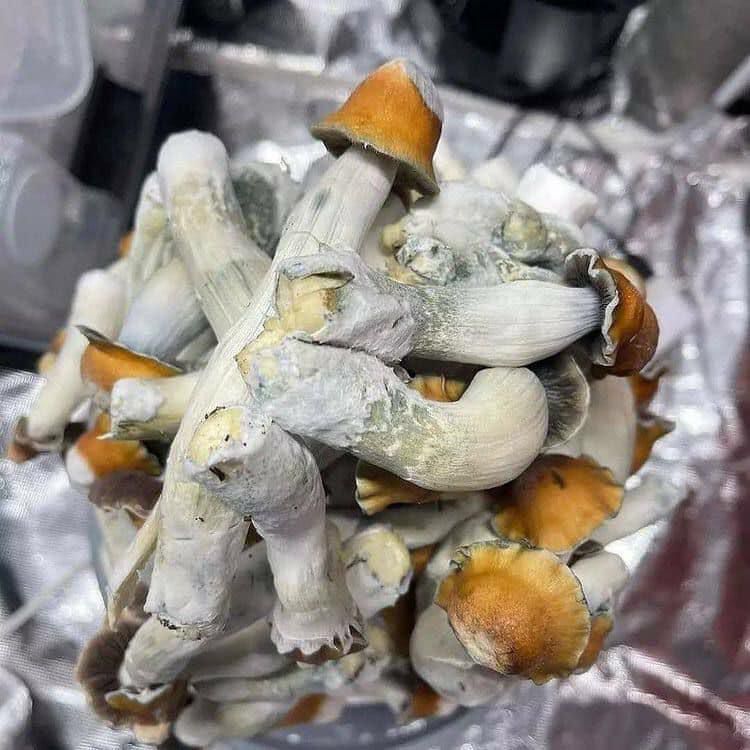
The Cap (Pileus): The cap typically ranges from 1.6 to 8 centimeters in diameter, starting as a cone shape and flattening out with maturity. Its color changes from a rich reddish-brown or ochre when young to a light golden-brown or yellowish tint as it ages.
The Stem (Stipe): The stem is hollow, fibrous, and white, often shifting to a pale yellow over time. It typically features a persistent membranous ring left behind by the breaking of the universal veil during growth.
The Gills (Lamellae): Underneath the cap, narrow gills are closely packed, starting out pale gray and eventually darkening to a deep purplish-black as millions of spores mature.
The Phenomenon of Blue Bruising
One of the most vital identification characteristics of psychoactive fungi is the immediate bluing reaction that occurs when the flesh is bruised or damaged. When oxygen interacts with the unstable active alkaloid psilocin, it triggers an enzymatic breakdown process that stains the stem and cap a deep azure or blue-grey. This bruising is a direct chemical signature of the presence of active compounds, differentiating these varieties from non-psychoactive culinary mushrooms.
Because fresh fruiting bodies are composed of roughly 90% water, they spoil rapidly within days of harvest. Dehydration removes this moisture content completely, transforming the fleshy organism into a stable, dry format. For enthusiasts who wish to observe this intricate life cycle firsthand, utilizing dedicated ukmushroom.uk mushroom grow kits uk enables clean domestic cultivation, tracking, and drying under completely sterile conditions.
3. Global Legal Frameworks and Regulatory Status
The legal landscape surrounding the possession, cultivation, and purchase of dried magic mushrooms is highly fragmented across different continents, shifting constantly as clinical research progresses.
Nations with Strict Classifications
- United States: Under federal law, psilocybin and psilocin remain classified as Schedule I controlled substances, making domestic sale or possession illegal. However, a sweeping regional wave has seen cities like Denver, Seattle, and Detroit fully decriminalize personal use, while states like Oregon and Colorado have legalized supervised therapeutic models.
- United Kingdom: The government classifies all psilocybin-containing fungi as Class A controlled items under the Misuse of Drugs Act 1971. This includes both fresh and dried formats. Because of these strict regional barriers, UK-based mycologists and collectors searching for alternative natural materials often utilize specialized platforms like ukmushroom.uk to legally purchase adjacent ethnobotanicals, functional spores, and alternative plant variants for personal study.
- Europe (Germany, Switzerland, the Netherlands): While dried mushroom bodies are universally restricted across most European blocks, the Netherlands maintains a unique legal framework. While they banned dried mushroom caps in 2008, subterranean sclerotia remain completely legal to purchase and consume. Interested researchers frequently check the active ukmushroom.uk magic truffles for sale uk registry to explore these legal underground formations.
- Australia & Canada: Australia became a global pioneer in 2023 by allowing licensed psychiatrists to prescribe psilocybin for treatment-resistant depression. Canada utilizes its unique Special Access Program to grant terminal or severely distressed individuals legal exemptions to access psilocybin therapy under medical supervision.
4. Modern Research, Harm Reduction, and Digital Sourcing
As institutional policies shift toward alternative medicine, public access to transparent data and lab-tested platforms has become a primary pillar of community harm reduction.
When exploring advanced scientific literature on global academic journals like WorldScientificImpact.org, researchers are actively analyzing how active compounds stimulate neuroplasticity—the brain’s ability to reorganize itself by forming new neural pathways. These studies suggest that natural alkaloids can disrupt deeply ingrained behavioral loops, offering hope for treatment-resistant issues. Concurrently, advocacy networks like ibogawell.com provide detailed safety reports and legal updates tracing similar structural plant alkaloids used globally for intense addiction interruption.
For individuals who cannot access cross-border clinical treatments due to logistical or financial constraints, the online marketplace has adapted to offer a variety of alternative health and microdosing options. For consumers seeking alternative methods to reduce stress, anxiety, or emotional exhaustion, specialized platforms like ukmushroom.com and shroomrelief.com focus heavily on providing education regarding non-psychoactive functional fungi and herbal adaptogens designed to support cognitive recovery. Simultaneously, medical supply portals such as buynembutalpainrelief.com serve individuals requiring conventional pharmaceutical pain relief options under safe consumer parameters.
In the United Kingdom and Europe, ukmushroom.uk stands out as a trusted supplier of vetted ethnobotanicals and premium mycological tools. For consumers looking to explore pre-measured, standardized wellness consumables, the ukmushroom.uk all products mushroom edibles index provides pristine, expertly prepared options. For individuals tracking domestic legal policy shifts or monitoring the availability of alternative botanical treatments, keeping an eye on the ukmushroom.uk buy ibogaine in the uk dashboard yields excellent educational updates.
Furthermore, if localized physical discomfort or chronic inflammation is a primary concern, individuals frequently browse items inside the ukmushroom.uk pain relief pills
segment. For pure ethnobotanical studies into non-fungal traditional items, the platform preserves an active ukmushroom.uk mescaline cacti uk
repository. Those who require completely raw, unmodified specimens can look directly at the ukmushroom.uk fresh mushrooms uk
selection. Finally, international consumer trends regarding alternative psychoactive brands are monitored by overseas supply entities like buyoneupmushroombar.us, demonstrating the rapid integration of alternative plant medicines into modern lifestyle routines.
5. Comparative Matrix: Formats of Mycological Elements
To help beginners understand the differences between the various available formats of ethnobotanical and mycological products, look through this scannable comparative table:
| Product Category | Moisture Profile | Primary Use Case | Shelf Life Potential | Recommended Sourcing Hub |
| Dried Magic Mushrooms | Near 0% Water (Cracker-Dry) | Long-term research, storage, and precise dosage tracking | 1 to 2 Years (When stored in airtight glass jars) | Sourced via ukmushroom.uk |
| Fresh Mushrooms | ~90% Water Content | Immediate laboratory study or spore printing | 5 to 10 Days (Requires constant refrigeration) | Found via ukmushroom.uk |
| Subterranean Sclerotia | ~60-70% Water Content | Legal compliance within the Netherlands and Europe | 2 to 3 Months (Must remain vacuum-packed) | Monitored via ukmushroom.uk |
6. Crucial Consumer Education: Essential Dos and Don’ts
For any beginner interacting with dried magic mushrooms for research or personal wellness, adhering to core harm reduction protocols is essential for safety and product longevity.
What to Do:
- Always ensure your material is brittle and snaps effortlessly; any bend or flexibility indicates residual moisture, which creates an environment for toxic mold.
- Store your collections inside airtight glass mason jars equipped with a rubber seal, and always toss in a food-grade silica gel desiccant pack to absorb ambient humidity.
- Keep your storage containers in a completely dark, cool cupboard or closet, as direct light and heat break down active molecules within months.
- Maintain a strict logging system, marking the exact date of acquisition and the specific strain to ensure precise tracking of potency over time.
What to Avoid:
- Never utilize standard plastic baggies for long-term storage, as cheap plastic is microscopic and porous, allowing oxygen to slowly degrade your material.
- Avoid opening your sealed jars frequently, as every opening exposes the dried fungi to a fresh wave of atmospheric moisture and destructive oxygen.
- Never consume any dried specimen that displays soft textures, unusual fuzzy white spots, or green powder, as these are clear signs of dangerous mold contamination.
- Avoid mixing alternative botanical substances with alcohol or prescription psychiatric medications, as combining compounds introduces unresearched variables that can severely impact cardiovascular or mental stability.
By approaching the study of dried magic mushrooms with scientific curiosity, strict adherence to local laws, and a firm focus on proper preservation, beginners can safely navigate this rapidly expanding frontier of natural plant medicine.
No Responses