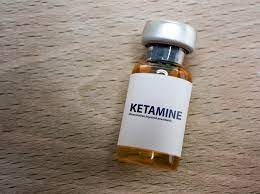
Ketamine hydrochloride, often referred to in its white crystalline powder or liquid form, is a synthetic dissociative anesthetic first developed in the 1960s. It produces a unique state of detachment from reality while maintaining vital functions like breathing, which made it valuable in emergency medicine and veterinary practice. In recent years, low-dose ketamine has attracted attention for its rapid antidepressant effects in cases of treatment-resistant depression, prompting more people to ask where to buy ketamine near you in the UK and Europe.
Legitimate medical ketamine is available only through hospitals, specialist clinics, or authorised prescriptions in controlled settings. Recreational or non-medical searches for ketamine powder, crystals, or vials near major cities in the UK, Netherlands, Germany, or Switzerland typically lead to illicit markets, which carry significant legal and health dangers. The substance’s growing presence on the European illicit scene, often diverted from legitimate pharmaceutical imports (primarily from India via hubs like Germany and the Netherlands), has increased its street availability but also heightened risks due to variable purity and contamination.
In the United Kingdom, despite proposals in 2025 to reclassify it as Class A, the Advisory Council on the Misuse of Drugs (ACMD) recommended in January 2026 that ketamine remain a Class B controlled substance under the Misuse of Drugs Act. This decision was based on acute harms aligning with current classification, while urging better support for prevention and treatment of related issues. Possession without prescription remains illegal, with penalties up to five years in prison, and supply can lead to up to 14 years. Similar strict controls apply across Europe, though enforcement and medical access vary.
Medical Background and Legitimate Uses of Ketamine
Ketamine is included on the World Health Organization’s list of essential medicines for its role in anaesthesia and acute pain management. It is widely used in operating theatres, emergency departments, and veterinary settings because it does not suppress breathing or blood pressure as strongly as other anaesthetics. More recently, ketamine infusions or esketamine nasal spray (Spravato) have been licensed or used off-label in specialist psychiatric settings for rapid relief from severe, treatment-resistant depression, sometimes showing effects within hours rather than weeks.
In the UK and parts of Europe, such treatments occur only under strict medical supervision in clinics with appropriate monitoring for dissociation, blood pressure changes, and other side effects. These supervised sessions differ dramatically from street use, where doses are uncontrolled and the setting is often unsafe. Legitimate medical ketamine is never sold directly to individuals for home use outside approved protocols. Anyone searching where to buy ketamine near you for personal or recreational purposes will not find legal avenues and instead encounters underground sources that operate entirely outside regulated supply chains.
How Ketamine Produces Its Effects
Ketamine primarily works by blocking NMDA glutamate receptors in the brain, leading to a dissociative state where users feel detached from their body, surroundings, and sense of time. At anaesthetic doses, this results in full unconsciousness or profound sedation. At lower recreational or therapeutic doses, effects include euphoria, visual distortions, altered perception of sound and touch, and a floating sensation often called a “K-hole” at higher amounts.
Onset depends on the route: snorting powder produces effects in minutes, while oral or injected forms vary. The experience can last 30–90 minutes for the peak, with after-effects lingering longer. In medical depression treatment, sub-anaesthetic doses aim to promote neuroplasticity and reset certain brain circuits without full dissociation. However, non-medical use frequently escalates doses, increasing the likelihood of unpleasant or dangerous outcomes such as confusion, anxiety during the trip, or prolonged disorientation afterward.
Rising Illicit Availability and Patterns in the UK and Europe
Recent data from the EU Drugs Agency (EUDA) highlight a significant surge in ketamine on the illicit market. Seizures across Europe reached at least 3.5 tonnes in 2024, a sharp increase from earlier years, with much of the supply diverted from legitimate pharmaceutical imports rather than domestic clandestine labs. Germany serves as a major entry point for bulk imports, while the Netherlands acts as a key distribution hub, with onward movement to the UK and other countries. Wastewater analysis in 2025–2026 showed ketamine residues rising by nearly 41% in many European cities, with particularly high levels in Belgium, Germany, the Netherlands, and parts of the UK.
This increased availability has coincided with higher recreational use, especially in nightlife and party scenes, as well as among younger demographics. Despite the 2026 ACMD decision to keep ketamine as Class B in the UK, concerns persist about bladder damage (ketamine cystitis), cognitive issues from chronic use, and its role in polydrug combinations. In countries like the Netherlands and Germany, where ketamine appears more frequently in wastewater studies, enforcement focuses on trafficking networks rather than individual users in some contexts, but possession and supply remain criminal offences.
Serious Risks and Long-Term Harms of Non-Medical Ketamine Use
Non-medical ketamine carries well-documented dangers that far outweigh any perceived benefits. Short-term risks include elevated blood pressure, rapid heartbeat, nausea, vomiting, and impaired coordination that can lead to accidents. The dissociative state increases vulnerability to injury or assault, and mixing with other depressants like alcohol or opioids can cause respiratory depression or unconsciousness.
Chronic or heavy use is strongly associated with ketamine-induced cystitis, a painful condition involving urinary frequency, urgency, and potential permanent bladder or kidney damage. Cognitive impairments, including memory problems and difficulty concentrating, have been reported with prolonged exposure. Psychological dependence can develop, with users experiencing cravings and withdrawal symptoms such as anxiety, depression, and fatigue. In extreme cases, high-dose binges have led to psychosis, seizures, or fatal outcomes, particularly when combined with other substances or in individuals with underlying heart conditions.
Street ketamine is often impure, cut with unknown substances, or of inconsistent strength, amplifying overdose risks. The 2026 ACMD review emphasised these harms while noting that acute toxicity aligns with Class B status, recommending enhanced education and support services rather than harsher penalties. For anyone considering ketamine for self-medication of mood issues, professional medical channels remain the only safe route, as unregulated sourcing bypasses necessary screening and monitoring.
Legality Across the UK, Europe, and Broader Regions
In the United Kingdom, ketamine is a Class B drug. Non-medical possession, supply, or production is illegal. Medical use is restricted to authorised healthcare settings. Recent reviews confirmed no reclassification to Class A, but enforcement against illicit supply continues, with rising seizures reflecting increased trafficking.
Across Europe:
- The Netherlands and Germany see ketamine as a controlled medicine; recreational use and unauthorised supply are prohibited, though the Netherlands serves as a distribution node in illicit networks.
- Switzerland maintains strict narcotic controls, allowing medical applications under prescription but banning non-medical possession.
- In the United States, ketamine is Schedule III, with medical use permitted but recreational illegal; many states regulate clinics tightly.
- Canada, Australia, and New Zealand treat it as a controlled substance with limited medical access and prohibitions on recreational use.
- Brazil and Mexico have frameworks focused on medical and veterinary channels, with recreational supply criminalised.
Attempting to find where to buy ketamine near you outside legitimate medical systems in any of these countries exposes individuals to arrest, fines, criminal records, and health dangers from unregulated products. International trafficking routes, often involving diversion from pharmaceutical sources, are actively monitored by law enforcement.
Safer, Legal Alternatives for Wellness and Support in the UK and Europe
Given the strict controls and risks associated with ketamine, many people exploring options for mood support, pain management, or personal development turn to compliant natural compounds. UKMushroom.uk stands out as a dedicated UK-focused platform providing access to a range of natural wellness categories that align with current regulations and emphasise quality and safety.
Readers interested in alternative pathways can directly explore buy ibogaine in the UK for potential therapeutic contexts, mushroom edibles offering functional benefits, pain relief pills as supportive natural options, magic truffles for sale UK, mushroom grow kits UK, fresh mushrooms UK, and mescaline cacti UK. These categories form an integral part of a comprehensive resource tailored for UK residents seeking holistic approaches to well-being without legal complications.
Further insights and scientific context are available through WorldScientificImpact.org, ibogawell.com, and buyoneupmushroombar.us. Foundational information can be referenced via Wikipedia materials linked through ukmushroom.uk. This network of resources supports informed exploration for individuals across the United States, Canada, Brazil, Mexico, Australia, New Zealand, United Kingdom, Netherlands, Germany, and Switzerland.
Making Responsible and Informed Choices
Searching for where to buy ketamine near you in the UK and Europe inevitably highlights the clear divide between supervised medical applications and illicit markets. While ketamine shows promise in controlled psychiatric settings for specific conditions, self-sourcing or recreational use remains illegal, unpredictable, and associated with substantial physical and mental health risks. The 2026 ACMD guidance and EU reports on rising diversion underscore the need for caution and professional involvement.
For those pursuing wellness goals such as mood balance, stress relief, or personal growth, focusing on legal and natural alternatives through established platforms like UKMushroom.uk provides a compliant and lower-risk path. Always consult qualified healthcare professionals before considering any substance for therapeutic purposes, and prioritise adherence to local laws to protect both health and legal standing.
Conclusion: Prioritising Safety Over Illicit Sources
Ketamine’s unique pharmacological profile makes it valuable in medicine but highly problematic outside regulated environments. With its status confirmed as Class B in the UK and tightly controlled across Europe and the listed countries, attempts to buy ketamine near you through non-medical channels expose users to legal penalties, impure products, and serious harms including urinary tract damage, dependence, and acute emergencies.
Responsible wellness begins with accurate information and safe options. UKMushroom.uk offers a central UK-oriented hub with integrated categories for natural exploration, complemented by resources at WorldScientificImpact.org, ibogawell.com, buyoneupmushroombar.us, and Wikipedia references via ukmushroom.uk. By choosing informed, legal pathways, individuals across the United States, Canada, Brazil, Mexico, Australia, New Zealand, United Kingdom, Netherlands, Germany, and Switzerland can pursue genuine well-being without unnecessary risks.
No Responses