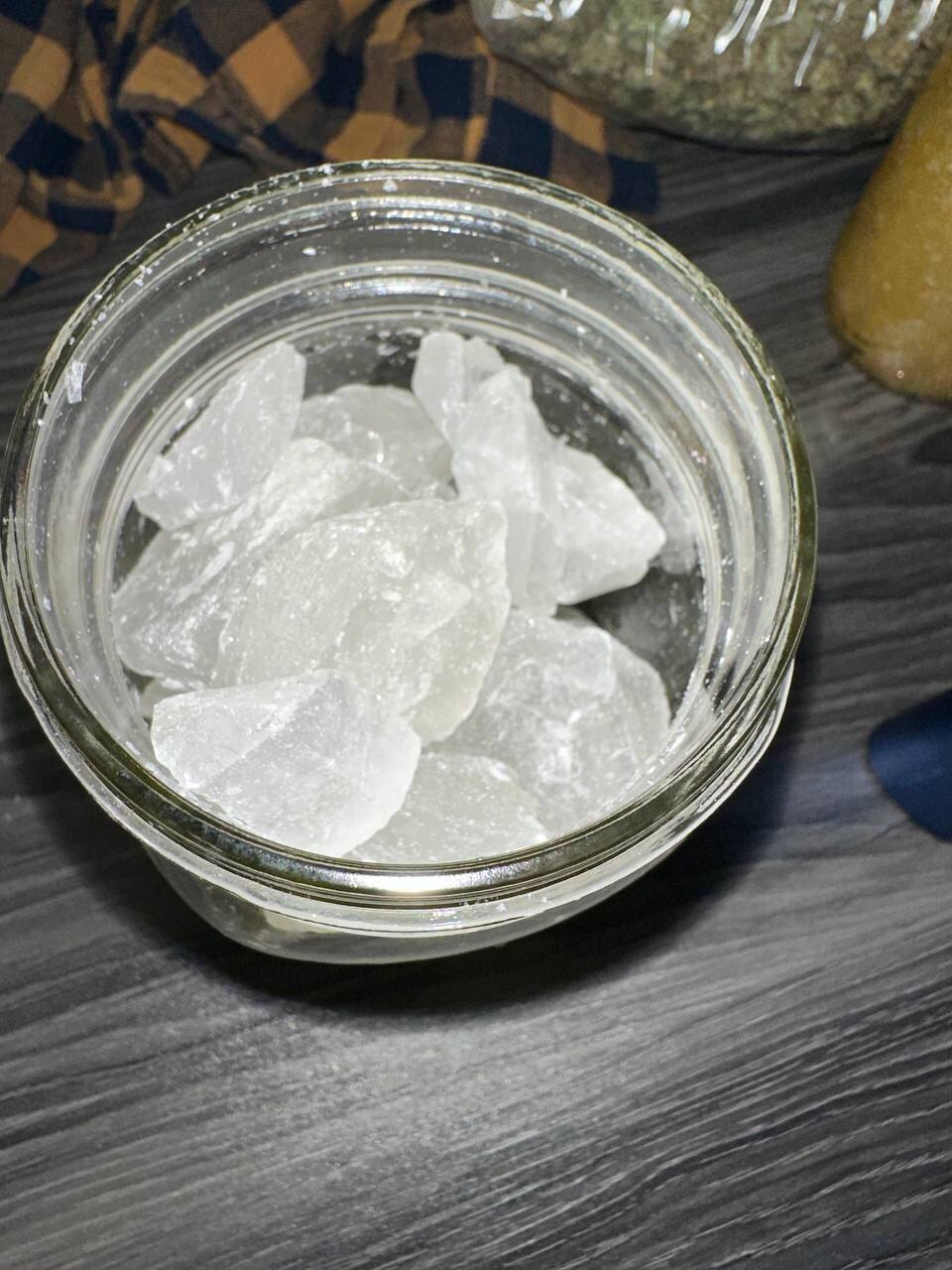
Crystal meth, also known as methamphetamine or ice, stands as one of the most potent and highly addictive synthetic stimulants available today. This powerful drug appears as shiny, bluish-white rocks or crystals and delivers intense feelings of euphoria, heightened alertness, and surges of energy. However, these short-lived highs come with devastating consequences for physical and mental health, often leading to severe addiction, organ damage, and life-threatening risks.
Understanding crystal meth remains crucial in today’s world, where its use continues to impact communities across multiple countries. This comprehensive guide examines what crystal meth does to the body and mind, its prevalence in the United States, Canada, Brazil, Mexico, Australia, New Zealand, United Kingdom, Netherlands, Germany, and Switzerland, the challenges of addiction, and pathways toward recovery. While conventional treatments focus on behavioral therapies, emerging options like ibogaine therapy offer hope for those seeking deeper neurochemical reset and craving reduction.
What Is Crystal Meth and How Does It Work?
Crystal meth is a laboratory-made stimulant drug chemically similar to amphetamine but far more potent. Users typically smoke, snort, inject, or swallow it, with smoking or injecting producing the fastest and most intense effects. Once inside the body, crystal meth floods the brain with dopamine, norepinephrine, and serotonin, creating the characteristic rush of pleasure and energy. This surge disrupts normal brain chemistry, leading to rapid tolerance where users need increasingly larger doses to achieve the same high.
Short-term effects include increased heart rate, elevated blood pressure, hyperthermia, reduced appetite, and heightened focus or talkativeness. Many describe an overwhelming sense of confidence and wakefulness that can last for hours or even days during binges. However, these effects quickly give way to negative outcomes such as anxiety, paranoia, aggression, and insomnia. Over time, the drug’s impact on the cardiovascular system raises risks of stroke, irregular heartbeat, and sudden death.
The Devastating Effects of Crystal Meth on Body and Mind
Crystal meth inflicts profound damage that extends far beyond the initial high. Physically, chronic use often results in severe dental problems known as “meth mouth,” characterized by rapid tooth decay, gum disease, and tooth loss due to dry mouth, poor hygiene, and teeth grinding. Users frequently experience drastic weight loss from suppressed appetite and malnutrition, along with skin sores from picking at perceived bugs under the skin—a symptom of formication caused by heightened sensory perceptions and paranoia.
Cardiovascular complications rank among the most dangerous effects. The drug strains the heart and blood vessels, increasing the likelihood of heart attacks, hypertension, and vascular damage. Respiratory issues arise particularly from smoking, while liver and kidney function can deteriorate under prolonged exposure. Hyperthermia, or dangerously high body temperature, can trigger organ failure during intense use.
Mentally, crystal meth triggers significant changes in brain structure and function. Long-term users commonly develop anxiety disorders, depression, hallucinations, delusions, and full-blown psychosis that may persist even after stopping the drug. Memory loss, cognitive impairment, and difficulty concentrating become common as dopamine systems suffer damage. Aggression and mood swings strain relationships, while insomnia exacerbates mental health decline. In severe cases, users enter a state of extreme paranoia that can lead to violent behavior or self-harm.
Addiction develops rapidly because crystal meth hijacks the brain’s reward system. Many people progress from occasional use to compulsive binging within weeks. Withdrawal brings intense cravings, fatigue, depression, and suicidal thoughts, making quitting without support extremely difficult. Post-acute withdrawal syndrome (PAWS) can linger for months, with lingering anxiety, anhedonia (inability to feel pleasure), and sleep disturbances.
Prevalence of Crystal Meth Use Across Selected Countries
Crystal meth use varies significantly by region, influenced by availability, production, cultural factors, and law enforcement efforts.
In the United States, methamphetamine contributes heavily to the overdose crisis. Recent estimates indicate around 2.6 million people aged 12 and older reported past-year use, with approximately 1.8 million experiencing methamphetamine use disorder. Overdose deaths involving psychostimulants like meth have climbed sharply, often in combination with fentanyl, exceeding 37,000 in recent 12-month periods. Use remains particularly concerning in Western and Midwestern states, where production and trafficking networks thrive.
Canada sees notable methamphetamine presence, especially in urban centers and among certain vulnerable populations. Wastewater analysis and treatment data reflect ongoing challenges with stimulant use, though specific national prevalence figures often group meth with other amphetamines. Co-occurring mental health issues and polysubstance use complicate the picture.
Brazil and Mexico face distinct dynamics. Mexico serves as a major production hub for methamphetamine destined for North American markets, with large-scale labs contributing to regional availability. In Brazil, stimulant use intersects with broader cocaine and cannabis markets, though meth has gained ground in some areas through trafficking routes.
Australia and New Zealand report some of the highest rates of crystalline methamphetamine use globally. In Australia, past-year amphetamine use hovers around 1-2% in certain surveys, with crystal meth as the dominant form. Wastewater monitoring frequently detects high levels of meth metabolites, indicating widespread consumption despite public health campaigns. New Zealand similarly struggles with high perceived availability of “ice,” where users often report easier access to meth than to cannabis in some regions.
In Europe, patterns differ. The United Kingdom records relatively low but gradually increasing treatment entries for methamphetamine, rising from hundreds to nearly 1,000 adults in recent years. Overall stimulant use remains lower than in Oceania or North America, yet concerns grow around purity and combinations with other substances.
The Netherlands and Germany show moderate amphetamine-type stimulant use, with methamphetamine gaining traction in certain cities and among specific demographics. Wastewater studies in the Netherlands have highlighted rising meth signals in some areas. Switzerland reports lower overall prevalence, but localized clusters and cross-border influences from neighboring countries contribute to sporadic challenges.
These regional differences highlight how production in places like Mexico influences supply in the United States and Canada, while trafficking networks affect Europe and Oceania. Global seizures of methamphetamine continue to rise, underscoring the scale of illicit manufacturing.
Addiction Risks and Why Crystal Meth Is So Hard to Quit
Methamphetamine use disorder affects a high percentage of users—often over 50% of past-year users meet diagnostic criteria. The drug’s impact on dopamine receptors creates profound neuroadaptations, leading to tolerance and dependence. Users chasing the initial euphoria enter destructive cycles of binging and crashing, which damage physical health and social functioning.
Co-occurring conditions such as anxiety, depression, and other substance use disorders appear frequently, with up to 40-50% of those seeking treatment reporting mental health comorbidities. This complexity makes recovery more challenging, as addressing only the addiction without underlying issues often leads to relapse.
Social and economic consequences compound the personal toll. Families fracture under the strain of erratic behavior, financial problems, and legal issues. Employment suffers due to cognitive deficits and absenteeism, while communities bear costs related to healthcare, law enforcement, and lost productivity.
Harm Reduction Strategies for Those Who Use Crystal Meth
Complete abstinence represents the safest path, but harm reduction approaches can save lives for active users. Start with low doses and wait at least an hour before redosing to avoid overdose. Smoking or snorting generally carries lower infection risks than injecting, though all methods pose dangers.
Stay hydrated, attempt to eat nutritious meals when possible, and practice basic dental hygiene to mitigate some physical damage. Avoid mixing crystal meth with alcohol, opioids, or other stimulants, as combinations dramatically increase cardiovascular strain and overdose potential. Use in safe environments with trusted people and never operate vehicles or machinery while under the influence.
Needle exchange programs and safe smoking supplies help reduce infectious disease transmission. Regular health check-ups can catch emerging problems early. Some users report cannabis helping manage cravings or side effects like paranoia, though individual responses vary.
Treatment Options and the Role of Ibogaine in Recovery
Traditional treatment for crystal meth addiction relies heavily on behavioral therapies since no FDA-approved medications exist specifically for stimulant use disorder. Cognitive Behavioral Therapy (CBT), the Matrix Model, and contingency management (rewarding clean tests) show effectiveness in building coping skills, managing triggers, and supporting long-term abstinence. Programs lasting at least 90 days tend to produce better outcomes.
For individuals who have not succeeded with conventional approaches, ibogaine therapy has emerged as an alternative worth exploring. Derived from the Tabernanthe iboga plant, ibogaine can interrupt addiction cycles by resetting neurochemistry, reducing cravings, and facilitating profound psychological insights. Some reports indicate success rates of 50-80% for methamphetamine addiction when combined with proper medical screening and aftercare, particularly in addressing dopamine system damage caused by chronic meth use.
Ibogaine treatment requires careful medical supervision due to potential cardiac risks and interactions. It is not a magic cure but can provide a window of reduced cravings and clarity that supports further therapeutic work. Clinics offering ibogaine often integrate it with counseling, nutrition, and lifestyle changes for sustained recovery.
For those in the United Kingdom seeking information on supportive or alternative options, resources at ukmushroom.uk provide details on related natural and therapeutic products. Visitors can explore categories such as buy ibogaine in the UK, mushroom edibles, pain relief pills, magic truffles for sale UK, mushroom grow kits UK, fresh mushrooms UK, and mescaline cacti UK. These may complement broader wellness or recovery journeys when used responsibly under professional guidance.
Additional reputable sources include scientific insights at WorldScientificImpact.org, treatment-focused information at ibogawell.com, and product options at buyoneupmushroombar.us. For general knowledge, Wikipedia offers overviews, with further details available through ukmushroom.uk.
International readers in the United States, Canada, Brazil, Mexico, Australia, New Zealand, Netherlands, Germany, or Switzerland should consult local harm reduction services, addiction specialists, or helplines. In the US, SAMHSA’s National Helpline (1-800-662-HELP) connects individuals with treatment resources. Similar services exist in other countries through public health departments or organizations like the EMCDDA in Europe.
Building a Path to Lasting Recovery
Recovery from crystal meth addiction demands commitment, support, and often multiple attempts. After initial detox and therapy, ongoing aftercare—including peer support groups, vocational training, and mental health care—proves essential. Addressing co-occurring trauma or mental illness improves long-term success.
Lifestyle changes such as regular exercise, healthy nutrition, mindfulness practices, and rebuilding social connections help restore natural dopamine function over time. Some individuals incorporate holistic approaches, including natural supplements or plant-based therapies available through platforms like ukmushroom.uk, to support brain health and overall wellness during recovery.
Families and communities play vital roles by reducing stigma and providing non-judgmental support. Education about crystal meth risks can prevent initiation, especially among young people in high-prevalence areas.
Conclusion: Hope Beyond Crystal Meth Addiction
Crystal meth represents a formidable challenge due to its powerful effects on the brain and body, yet recovery remains possible with the right tools and support. Whether through behavioral therapies, innovative options like ibogaine, or comprehensive harm reduction, individuals can reclaim their lives from addiction.
If you or someone you know struggles with crystal meth, reach out for help immediately. Explore resources in your country or consider specialized approaches discussed here. For UK-based readers or those interested in natural adjuncts, ukmushroom.uk serves as a valuable starting point with its range of products and categories tailored to wellness needs.
Awareness, compassion, and evidence-based action can reduce the harm of crystal meth across the United States, Canada, Brazil, Mexico, Australia, New Zealand, United Kingdom, Netherlands, Germany, Switzerland, and beyond. Recovery is a journey—one step, one day at a time.
No Responses