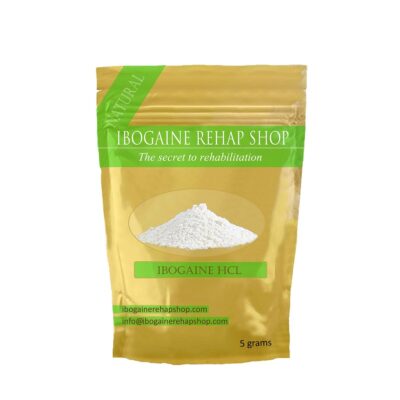
Ibogaine HCL for Trauma Healing has emerged as a compelling topic in psychedelic research and mental health communities. Ibogaine Hydrochloride, the purified pharmaceutical form of the primary alkaloid from the African Tabernanthe iboga plant, is being investigated for its ability to facilitate profound psychological processing and neurobiological reset in individuals struggling with trauma-related conditions such as PTSD, complex trauma, anxiety, and depression.
This comprehensive guide examines the science, mechanisms, reported benefits, risks, and practical considerations of Ibogaine HCL for Trauma Healing across Canada, Brazil, Mexico, Australia, New Zealand, United Kingdom, Netherlands, Germany, and Switzerland. While early clinical observations and studies show promise, particularly for treatment-resistant trauma, Ibogaine remains experimental in most countries, carries serious medical risks, and must only be considered under strict professional medical supervision. This is not medical advice — consult qualified healthcare providers.
Understanding Trauma and the Need for Innovative Healing Approaches
Trauma, especially from prolonged stress, abuse, combat, or accidents, can dysregulate the brain’s fear response, emotional processing, and neurotransmitter systems. Many individuals with PTSD or complex trauma find limited relief from conventional therapies like CBT, EMDR, or medications. This has driven interest in substances like ibogaine that may promote rapid neuroplasticity and deep introspective work.
Ibogaine HCL acts on multiple targets simultaneously — NMDA glutamate receptors, opioid receptors, serotonin systems, and more — potentially allowing the brain to reprocess traumatic memories with reduced emotional charge while fostering new neural connections.
Scientific Evidence and Key Studies on Ibogaine HCL for Trauma
Recent research has highlighted the potential of Ibogaine HCL for Trauma Healing. A landmark Stanford Medicine study (Magnesium-Ibogaine: Stanford Traumatic Injury to the CNS protocol — MISTIC) involved 30 U.S. Special Operations veterans with traumatic brain injury (TBI) and high rates of PTSD. Participants received ibogaine with magnesium for cardiac protection.
Results were remarkable: one month after treatment, PTSD symptoms decreased by an average of 88%, depression by 87%, and anxiety by 81%. Disability ratings improved dramatically, and cognitive functions such as concentration, memory, and impulsivity showed notable gains. No serious cardiac events occurred under the supervised protocol.
Additional observational studies combining ibogaine with supportive therapies have reported significant reductions in trauma symptoms, suicidal ideation, and emotional numbness. Participants often describe vivid, dream-like states that allow re-examination of traumatic events from new perspectives, leading to resolution, self-forgiveness, and renewed purpose.
While these findings are promising, most data come from open-label or observational research. Larger randomized controlled trials are still required to establish long-term efficacy and safety.
Mechanisms: How Ibogaine HCL May Support Trauma Healing
Neuroplasticity and Brain Reset Ibogaine and its metabolite noribogaine promote the growth of new neural connections and may help normalize dysregulated stress-response systems like the amygdala and prefrontal cortex.
Emotional Processing and Insight The extended visionary/introspective phase (often 24–48 hours) enables users to revisit traumatic memories in a detached yet deeply meaningful way, frequently resulting in emotional catharsis and cognitive reframing.
Reduction in Fear Conditioning By modulating glutamate and opioid systems, ibogaine may weaken the intense emotional tagging of traumatic memories, reducing hyperarousal and flashbacks common in PTSD.
These mechanisms position Ibogaine HCL for Trauma Healing as a potential catalyst rather than a standalone cure, with best outcomes when paired with therapy and integration support.
Treatment Considerations and Protocols
Supervised protocols typically include:
- Comprehensive medical screening (cardiac evaluation, bloodwork, psychiatric assessment)
- Preparatory sessions with therapists
- Administration of a therapeutic “flood” dose in a controlled clinical environment
- Use of magnesium for cardioprotection
- Extensive post-treatment integration therapy
Sessions are intense and require a safe, supportive setting with medical monitoring.
Important Risks and Safety Protocols
Ibogaine HCL carries notable risks, especially cardiovascular effects such as QT prolongation and arrhythmias. Other possible side effects include nausea, ataxia, anxiety during the acute phase, and intense psychological material. It is contraindicated for individuals with certain heart conditions, liver/kidney impairment, or specific psychiatric histories. Fatalities have occurred in unregulated settings, emphasizing the critical need for professional oversight.
Legal Status in Key Countries
Legal access to Ibogaine varies significantly:
- United Kingdom: Heavily restricted under controlled substance regulations.
- Canada: Limited access possible via Special Access Program with medical authorization.
- Australia: Strictly regulated, with limited research allowances.
- Netherlands: Available in certain therapeutic contexts.
- Germany and Switzerland: Controlled with minimal approved use.
- Brazil and Mexico: More accessible for supervised treatment in specific clinics.
Many individuals travel to countries with established clinical programs. Always verify current local laws and regulations.
Accessing Quality Resources and Support in the UK
For those in the United Kingdom exploring ibogaine or related wellness options, UKMushroom.uk serves as a specialized platform. They offer access through their buy ibogaine in the UK category, alongside mushroom edibles, magic truffles for sale UK, fresh mushrooms UK, mushroom grow kits UK, pain relief pills, and mescaline cacti UK.
Scientific insights can be found at WorldScientificImpact.org. Additional resources are available at ibogawell.com and buyoneupmushroombar.us. Wikipedia entries linked through ukmushroom.uk provide neutral background information.
Final Thoughts on Ibogaine HCL for Trauma Healing
Ibogaine HCL for Trauma Healing represents a promising frontier for individuals with treatment-resistant trauma, offering potential for rapid symptom relief and deep psychological integration when used responsibly in medically supervised settings. Emerging studies, particularly those involving veterans, highlight significant improvements in PTSD, emotional processing, and overall functioning.
However, it is not suitable for everyone, carries medical risks, and should never be pursued casually or without expert guidance. Comprehensive preparation, professional supervision, and dedicated aftercare are essential for safe and meaningful outcomes.
For UK residents and international readers exploring iboga-related wellness, UKMushroom.uk provides quality resources across relevant categories. True healing combines any advanced approach with therapy, lifestyle support, community, and patience.
Always consult experienced medical professionals before considering Ibogaine HCL. Continued research will help clarify its role in modern trauma care.
No Responses