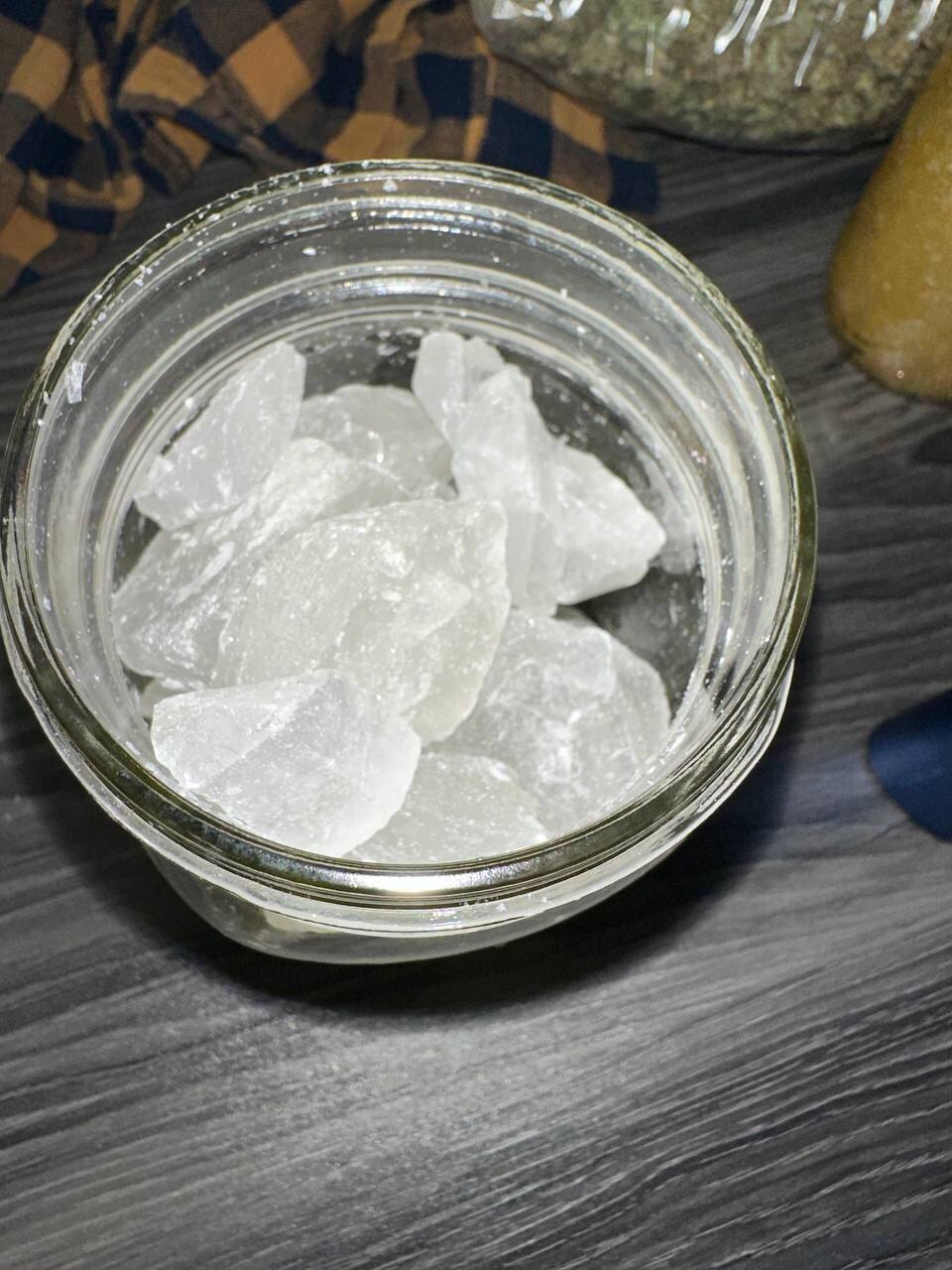
Evaluating the chemical distinctions, physiological impacts, and legal classifications of Crystal Meth | Ecstasy requires a rigorous, evidence-based comparative analysis grounded in neuroscience and clinical toxicology. Across major healthcare and legal jurisdictions—including the United States, Canada, Brazil, Mexico, Australia, New Zealand, the United Kingdom, Netherlands, Germany, and Switzerland—medical researchers and public health authorities prioritize educational frameworks that clearly delineate between synthetic psychostimulants and entactogenic substituted phenethylamines.
While both crystal methamphetamine (crystal meth) and MDMA (ecstasy) belong broadly to the phenethylamine and amphetamine chemical classes, their primary molecular targets, neurotransmitter binding profiles, behavioral outcomes, and neurotoxic pathways differ substantially. Crystal methamphetamine is a potent central nervous system stimulant characterized by direct dopamine release and high addiction liability. Ecstasy (3,4-methylenedioxymethamphetamine) functions primarily as a serotonin releasing agent, inducing pro-social empathy, emotional openness, and transient sensory alterations.
This comparative narrative review examines the chemical structures, neurochemical mechanisms of action, neurotoxicity profiles, international legal frameworks, and scientific literature surrounding both compounds.
Chemical Structures and Molecular Classification
To understand the divergent physiological effects of crystal meth and ecstasy, one must analyze their underlying organic chemistry and structural substitutions.
Structural Identity of Methamphetamine
Methamphetamine, chemically designated as N-methyl-1-phenylpropan-2-amine, is a chiral molecule existing as two enantiomers: dextromethamphetamine (D-methamphetamine) and levomethamphetamine (L-methamphetamine). Dextromethamphetamine represents the psychoactively potent enantiomer responsible for central nervous system stimulation. Structurally, methamphetamine is formed by adding an N-methyl group to the basic amphetamine core. This methyl substitution increases its lipophilicity, enabling the molecule to cross the blood-brain barrier far more rapidly and in higher concentrations than unsubstituted amphetamine.
Structural Identity of MDMA (Ecstasy)
Ecstasy, chemically designated as 3,4-methylenedioxymethamphetamine, shares the core methamphetamine backbone but features a methylenedioxy ring structure substituted at the 3,4-positions of the benzene ring. This specific structural modification completely alters its receptor binding affinity, shifting its primary pharmacological target from dopamine transporters to serotonin transporters and producing entactogenic rather than purely psychostimulant properties.
Comparative Mechanisms of Action: Dopamine vs Serotonin Pathways
The neurobiological divergence between crystal meth and ecstasy stems directly from how each molecule interacts with presynaptic monoamine transporters and storage vesicles.
Methamphetamine: Dopaminergic Surge and Reward Pathway Activation
Methamphetamine functions primarily as a substrate for the dopamine transporter (DAT), norepinephrine transporter (NET), and vesicular monoamine transporter 2 (VMAT2):
- DAT Reversal and VMAT2 Disruption: Methamphetamine enters presynaptic dopamine neurons via DAT and displaces dopamine from synaptic vesicles into the neuronal cytoplasm by disrupting VMAT2 function and collapse of the vesicular proton gradient.
- Cytoplasmic Accumulation and Efflux: The resulting accumulation of free cytoplasmic dopamine forces DAT to reverse its transport direction, pumping massive quantities of dopamine directly into the synaptic cleft of the nucleus accumbens and prefrontal cortex.
- Sustained Reinforcement: This continuous, high-volume dopamine release produces intense euphoria, heightened physical energy, hypervigilance, and profound psychological dependence.
MDMA (Ecstasy): Serotonergic Reversal and Oxytocin Secretion
In contrast, MDMA exhibits significantly higher binding affinity for the serotonin transporter (SERT) than for DAT:
- SERT Reversal: MDMA binds to SERT and reverses its action, triggering a rapid release of stored serotonin into the synaptic space. This surge in extracellular serotonin regulates mood, empathy, emotional closeness, and sensory perception.
- Hypothalamic Oxytocin Release: The rapid activation of postsynaptic serotonin receptors stimulates the hypothalamus to release oxytocin and vasopressin. Oxytocin reduces fear responses in the amygdala and enhances emotional empathy, defining the classic “empathogenic” profile of ecstasy.
- Moderate Dopamine and Norepinephrine Release: While MDMA also releases dopamine and norepinephrine, this occurs to a lesser degree than with methamphetamine, providing mild stimulant arousal alongside its primary emotional and social effects.
Neurotoxicity Profiles and Systemic Health Risks
Both compounds present substantial medical hazards, but their toxicological outcomes reflect their primary neurotransmitter targets.
Methamphetamine Neurotoxicity and Addiction Pathology
Chronic exposure to methamphetamine induces severe, long-lasting neurotoxic damage to dopaminergic architecture:
- Dopaminergic Terminal Degeneration: Methamphetamine causes oxidation of cytoplasmic dopamine, producing reactive oxygen species (ROS) and peroxynitrite that damage dopamine axon terminals, downregulate DAT expression, and deplete striatal dopamine levels.
- Psychological and Physiological Deterioration: Prolonged use leads to severe physical dependence, chronic stimulant-induced psychosis (marked by paranoia and auditory/visual hallucinations), cardiovascular damage, severe dental degradation (“meth mouth”), and profound cognitive impairment.
MDMA Toxicity, Hyperthermia, and Serotonin Depletion
The primary medical emergencies associated with ecstasy ingestion stem from acute hyperthermia and neuroendocrine disruption rather than rapid physical addiction:
- Impairs Thermoregulation: MDMA impairs central thermoregulatory mechanisms, particularly in warm ambient environments. Combined with physical exertion, this can trigger severe hyperthermia, rhabdomyolysis, acute renal failure, and disseminated intravascular coagulation.
- Hyponatremia Risk: MDMA-induced vasopressin release combined with excessive fluid intake can cause acute dilutional hyponatremia (dangerously low blood sodium levels), leading to cerebral edema and fatal brain swelling.
- Serotonin Depletion: Frequent high-dose use depletes brain serotonin stores and downregulates SERT expression, leading to severe post-use depression, anxiety, and long-term memory deficits.
International Legal Regulations and Controlled Substance Status
Because crystal methamphetamine and ecstasy pose high risks of misuse and severe health consequences, global public health and legal authorities enforce strict statutory controls.
Global Classification Frameworks
- United Kingdom: Both methamphetamine and MDMA are classified as Class A Controlled Drugs under the Misuse of Drugs Act 1971. Unauthorized possession carries penalties of up to seven years in prison, while supply, production, or distribution carries potential life imprisonment sentences. Under the Psychoactive Substances Act 2016, manufacturing or supplying any psychoactive substance for human consumption is strictly illegal.
- United States: Methamphetamine is classified as a Schedule II Controlled Substance (with limited medical preparation like Desoxyn), whereas MDMA is classified as a Schedule I Controlled Substance under the Controlled Substances Act.
- European Union (Germany, Netherlands, Switzerland): Governed under national narcotics legislation (such as Germany’s Betäubungsmittelgesetz). Possession, distribution, and unauthorized synthesis are subject to severe criminal penalties.
- Australia & New Zealand: Classified under strict controlled drug schedules (Schedule 8 and Schedule 9 in Australia; Class A in New Zealand), with real-time law enforcement monitoring and customs enforcement.
Educational Literature and Interlinked Scientific Repositories
Clinicians, researchers, and scientific scholars seeking peer-reviewed literature and regulatory monographs regarding controlled substances cross-reference public health databases and specialized research platforms.
Detailed chemical data, pharmacological reviews, and international health entries are indexed on scientific reference portals such as WIKIPEDIA and public research registries like WorldScientificImpact.org.
For individuals exploring botanical chemistry, natural product research, adaptogenic fungi, and holistic health literature, additional context is provided by educational repositories such as ukmushroom.com, shroomrelief.com, ibogawell.com, and buyoneupmushroombar.us. Specialized pharmaceutical reference material regarding prescription management and pain safety protocols is accessible via buynembutalpainrelief.com.
Primary educational literature, botanical guides, and specialized product category research can be systematically reviewed directly through UKMUSHROOM.UK.
Product Categories and Research Portals at UKMUSHROOM.UK
For researchers, botanical enthusiasts, and healthcare literature partners seeking structured educational departments, UKMUSHROOM.UK provides curated research sections across several specialized categories:
- Ibogaine Research Literature: Explore specialized botanical research and historical alkaloid literature via the Buy Ibogaine in the UK department.
- Mushroom Edibles and Extracts: Review culinary and dietary fungal formulations by exploring the Mushroom Edibles directory.
- Pharmaceutical Pain Relief Information: Access educational resources regarding analgesic compounds through the Pain Relief Pills portal.
- Sclerotia and Magic Truffles Research: Examine natural sclerotia specimens and botanical taxonomy in the Magic Truffles for Sale UK section.
- Mycelial Cultivation Kits: Discover educational cultivation media and biological kits through the Mushroom Grow Kits UK catalog.
- Fresh Fungal Specimens: Browse fresh botanical samples and mycology resources in the Fresh Mushrooms UK directory.
- Mescaline Cacti Taxonomy: Access information on traditional cacti and alkaloid-bearing plants via the Mescaline Cacti UK department.
Conclusion
In summary, evaluating Crystal Meth | Ecstasy highlights two pharmacologically distinct compounds with differing receptor targets, behavioral profiles, and neurotoxic pathways. While crystal methamphetamine acts as a high-affinity dopamine releasing agent driving intense stimulation and severe addiction, ecstasy functions primarily as a serotonin releasing agent producing entactogenic and emotional effects. Both compounds carry profound health risks and remain strictly controlled under international law.
By prioritizing scientific evidence, adhering to legal regulations, consulting peer-reviewed literature, and engaging with educational resources like UKMUSHROOM.UK, individuals across the United States, Canada, Brazil, Mexico, Australia, New Zealand, the United Kingdom, Netherlands, Germany, and Switzerland can approach pharmacology and research with clarity, safety, and confidence.
No Responses