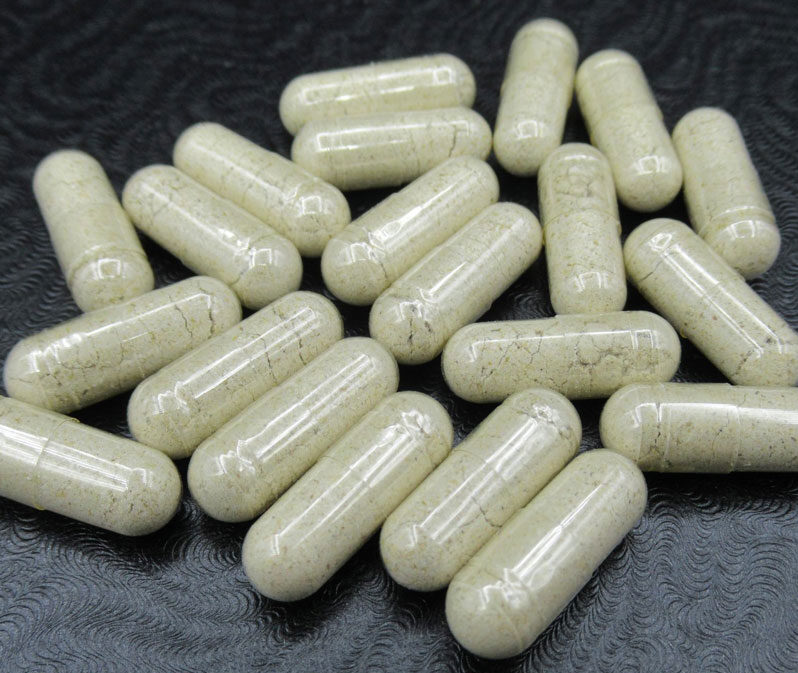
Microdosing refers to the practice of taking very small amounts of certain psychedelic substances, most commonly psilocybin (from certain mushrooms) or LSD, on a repeated schedule. Interest has grown in many places including the United States, Canada, Brazil, Mexico, Australia, New Zealand, the United Kingdom, the Netherlands, Germany, and Switzerland. People often describe seeking subtle shifts in mood, focus, or creativity without full psychedelic effects. Scientific attention has increased in parallel, and a clearer picture of the side effects of microdosing is emerging from laboratory studies, observational surveys, and systematic reviews.
This article examines what controlled research and broader literature currently show about those side effects. It draws primarily on systematic reviews and meta-analyses rather than anecdotal reports. Legal status varies widely by country and substance; in many jurisdictions these materials remain controlled, so any discussion here is strictly informational and does not constitute advice, encouragement, or guidance on use or acquisition. Readers should consult qualified medical professionals and local regulations.
What the Scientific Literature Says About Safety Profiles
Recent systematic reviews provide the most reliable overview. One 2025 review in Neuropharmacology examined 31 studies on microdosing LSD and psilocybin. It classified laboratory studies as higher-quality evidence and found that reported side effects were typically dose-dependent, mild, and short-lived. The most frequently noted adverse effects were increases in blood pressure, anxiety, and cognitive impairment.
A separate systematic review and meta-analysis published in CNS Drugs in 2026 looked at psychological outcomes in healthy adults across 24 studies. Randomized controlled trials showed subjective and neurophysiological changes but limited consistent impact on sustained mood, cognition, or creativity beyond placebo. Adverse-event rates were broadly similar between active treatment and control groups in the trials that reported them.
Broader reviews of classic psychedelics (including higher doses) similarly conclude that serious adverse events are uncommon in carefully screened, supervised research settings, though under-reporting and heterogeneity in how side effects are captured remain limitations.
Common Physiological Side Effects
Elevated blood pressure is one of the more consistently documented physiological changes. Multiple laboratory studies of both LSD and psilocybin microdoses record mild increases in systolic (and sometimes diastolic) blood pressure during the active window of the substance. These rises are generally transient, resolving as the compound’s acute effects subside over several hours, and are dose-related. They are not usually described by participants as subjectively bothersome in the short term, yet they represent a measurable cardiovascular response.
Headache appears with some frequency, particularly in the hours after dosing or the following day. Gastrointestinal effects such as mild nausea, abdominal discomfort, or changes in appetite are also reported, more often with psilocybin preparations. Fatigue, mild dizziness, and altered temperature regulation surface in both experimental and survey data. Sleep disruption, including difficulty falling asleep or changes in sleep quality on dosing days or the night afterward, has been noted in several studies of repeated low-dose LSD.
These physiological effects tend to track the pharmacokinetic profile of the substance. They are usually described as mild and self-limiting in the controlled literature. Individual sensitivity varies; people with preexisting cardiovascular conditions may experience different responses, which is one reason medical screening is emphasized in formal research protocols.
Psychological and Cognitive Side Effects
Anxiety ranks among the most commonly reported psychological side effects of microdosing. In the 2025 systematic review, anxiety appeared across the large majority of studies that tracked it. It can manifest as heightened tension, restlessness, or unease during the active period. In some trials, a subset of participants discontinued because of anxiety. Survey-based and observational work similarly lists increased anxiety as a recurring challenge.
Cognitive effects are mixed but noteworthy. Some participants describe temporary reductions in focus, efficiency, or mental clarity, especially if the dose edges higher than intended. Laboratory studies have recorded changes in time perception, speech patterns, and certain EEG measures with psilocybin microdoses, often without large behavioral performance deficits. Mood fluctuations—ranging from mild elevation to irritability or transient low mood—also appear. These shifts are typically confined to the dosing window rather than lasting days.
Perceptual changes are generally minimal at true microdose levels, yet occasional reports of subtle visual alterations or a sense of dissociation occur, more often when dosing is imprecise. Serious psychiatric events such as persistent psychosis, hallucinogen persisting perception disorder (HPPD), or self-harm have not been observed in the controlled microdosing literature reviewed to date. That absence is reassuring within the limits of current study designs, most of which are short in duration and involve carefully selected healthy volunteers.
Longer-Term and Theoretical Concerns
Most published trials examine single doses or sequences lasting only a few weeks. Consequently, data on months- or years-long microdosing remain sparse. One area of theoretical concern involves the serotonin 2B receptor (5-HT2B). Certain medications with agonist activity at this receptor have been linked to cardiac valvular fibrosis and valvulopathy when taken chronically. Both LSD and psilocin (the active metabolite of psilocybin) show affinity for 5-HT2B. Reviews have therefore flagged the possibility that repeated microdosing over extended periods could carry a risk of cardiac tissue changes, although direct clinical evidence in humans microdosing is still lacking. Researchers have called for dedicated long-term cardiovascular monitoring in future studies.
Observational surveys sometimes note tolerance to desired effects with daily use, leading some individuals to adjust schedules. Psychological dependence is rarely described, consistent with the low reinforcing properties of classic psychedelics, yet any pattern of repeated substance use warrants individual medical consideration. Interactions with other medications, particularly certain psychiatric drugs such as MAOIs or lithium, represent additional practical risks that controlled studies often exclude by design.
Variability Across Substances, Individuals, and Settings
Psilocybin and LSD are the substances most frequently studied. Effects are not identical; psilocybin preparations more often produce gastrointestinal notes, while LSD studies more consistently document blood-pressure changes and subtle stimulant-like qualities. Dose precision matters. Natural mushroom material can vary in potency, and self-weighed or unstandardized preparations increase the chance of crossing into a threshold dose that produces stronger perceptual or emotional effects.
Expectancy and set-and-setting influence reported outcomes. Placebo-controlled trials frequently show that many subjective benefits do not exceed placebo, while side effects remain detectable. Observational and retrospective surveys tend to report more positive changes, likely reflecting selection bias, lifestyle factors, and expectation. Individual baseline mental health, personality traits, and concurrent life stressors further modulate responses. People with personal or family histories of psychosis, bipolar disorder, or certain personality disorders are generally excluded from research protocols because of elevated risk of adverse psychological reactions.
Geographic and Legal Context
Interest in microdosing appears across the listed countries, yet legal frameworks differ substantially. In the United Kingdom and many other jurisdictions, psilocybin-containing mushrooms remain controlled substances. The Netherlands has a more nuanced approach to certain fresh fungal products. Regulatory status in the United States, Canada, Australia, New Zealand, Germany, Switzerland, Brazil, and Mexico continues to evolve with research and policy discussions, but recreational or self-directed use of these substances is restricted in most places. Readers seeking general background may consult established reference sources such as Wikipedia entries on the individual compounds for historical and pharmacological overviews. Sites focused on educational or research dissemination, including resources associated with scientific impact discussions, can provide additional context on ongoing studies. Commercial platforms that list related categories exist in various markets; however, legal compliance and personal risk assessment remain the responsibility of each individual and local authorities.
Research Gaps and the Importance of Caution
The literature on the side effects of microdosing has grown, yet important gaps persist. Many studies are short, sample sizes modest, and adverse-event reporting inconsistent. Long-term cardiac, psychiatric, and cognitive data are limited. Placebo effects and expectancy clearly contribute to self-reported benefits, making rigorous double-blind designs essential. Future work needs standardized dosing, systematic capture of side effects, longer follow-up, and inclusion of more diverse populations.
Until stronger evidence accumulates, the available data indicate that the side effects of microdosing are predominantly mild and transient when they occur in controlled conditions—primarily blood-pressure elevation, anxiety, mild cognitive disruption, headache, and gastrointestinal notes. Serious events appear rare in screened research participants over short periods. Theoretical long-term cardiovascular considerations and the incomplete safety profile for chronic use counsel against assuming complete harmlessness.
Anyone considering any form of psychedelic exposure, microdose or otherwise, should prioritize medical consultation, full disclosure of medications and health history, and strict adherence to applicable laws. Educational resources grounded in peer-reviewed literature remain the most reliable starting point for understanding the current state of knowledge. Continued research will refine the picture of both potential benefits and the side effects of microdosing in the years ahead.
No Responses