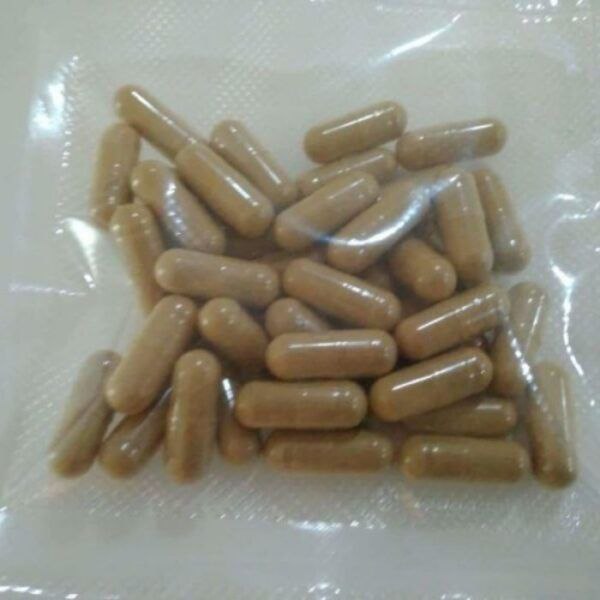
Introduction to Psilocybin Microdosing
Psilocybin microdosing represents one of the most profound shifts in contemporary botanical research, neurobiology, and wellness practice. The practice involves taking sub-perceptual amounts of psychedelic mushroom compounds—typically between one-tenth and one-twentieth of a full psychedelic dose. Rather than inducing overt visual alterations, intense emotional release, or perceptual shifts, microdosing is engineered to operate beneath the threshold of conscious hallucination. Practitioners aim to integrate these subtle biochemical interactions into daily routines to support mental clarity, stress resilience, focus, and emotional regulation.
The global interest in psilocybin microdosing is driven by a convergence of neuroscientific discovery, modern clinical trials, and an evolving regulatory landscape. From medical researchers in Switzerland to therapeutic innovators in North America and mycology enthusiasts across the United Kingdom, microdosing has moved from an underground subculture into mainstream scientific discourse. Understanding the core mechanics, practical protocols, and national legal boundaries is essential for anyone researching functional fungi and psychoactive botanicals.
The Pharmacology and Neuroscience Behind Sub-Perceptual Doses
To appreciate how microdosing works, one must examine its interaction with human brain architecture. Psilocybin is a naturally occurring prodrug produced by more than 200 species of fungi. When ingested, the body metabolizes psilocybin into psilocin, its pharmacologically active counterpart.
Psilocin shares a striking molecular similarity to serotonin, one of the primary neurotransmitters governing mood, sleep, cognition, and emotional equilibrium.
Psilocybin (Prodrug) ---> Dephosphorylation (Liver/Gut) ---> Psilocin (Active Compound)
                                                                 |
                                                                 v
                                                    5-HT2A Serotonin Receptors
                                                                 |
                                                                 v
                                                 Downregulation of DMN & BDNF Release
Serotonin Receptor Binding and Neuroplasticity
Psilocin binds predominantly to 5-HT2A serotonin receptors, which are densely distributed across the cerebral cortex. At macrodose levels, this binding triggers intense synaptic firing and dramatic alterations in perception. At a microdose level (typically 50 mg to 250 mg of dried Psilocybe cubensis biomass), psilocin gently stimulates these receptors without overwhelming the neural network.
This low-level activation stimulates the expression of Brain-Derived Neurotrophic Factor (BDNF). BDNF acts as a fertilizer for the brain, supporting neurogenesis, synaptic plasticity, and the growth of new neural pathways. This enhanced plasticity allows the brain to reconfigure ingrained thought patterns, making microdosing a compelling subject of study for cognitive flexibility and mood regulation.
Modulation of the Default Mode Network (DMN)
Another foundational mechanism of psilocybin is its modulation of the Default Mode Network (DMN). The DMN is an interconnected group of brain regions active when a person is engaged in self-referential thought, rumination, daydreaming, or processing memories. Hyperactivity in the DMN is closely linked to depression, anxiety, and obsessive thinking.
High doses of psilocybin temporarily collapse the coherence of the DMN, leading to the experience of ego dissolution. Microdosing, by contrast, causes a mild, controlled reduction in DMN activity. This subtle dampening quietens internal self-criticism, reduces ruminative thought loops, and increases cognitive openness, allowing individuals to enter creative flow states and approach problem-solving with renewed flexibility.
Established Microdosing Protocols and Dosing Frameworks
Successful microdosing relies on structured schedules designed to prevent receptor tolerance and maintain baseline psychological awareness. Because the brain rapidly adapts to serotonin receptor agonists, continuous daily dosing quickly reduces efficacy. Researchers and mycology advocates rely on several primary schedules.
The Fadiman Protocol
Developed by Dr. James Fadiman, a pioneer in psychedelic research, this cycle is the most widely recommended entry point for novel researchers. It utilizes a three-day cadence:
- Day 1: Microdose Day (Observe subtle cognitive and emotional shifts)
- Day 2: Transition / Afterglow Day (Evaluate lingering neuroplastic effects)
- Day 3: Rest / Baseline Day (Allow serotonin receptors to reset fully)
- Day 4: Repeat Cycle
This cycle continues for 4 to 8 weeks, followed by a mandatory 2- to 4-week rest period to evaluate long-term cognitive integration without active compounds.
The Stamets Stack
Pioneered by renowned mycologist Paul Stamets, this protocol combines psilocybin with non-psychoactive functional mushrooms and vitamins to encourage neurogenesis:
- Psilocybin Mushroom Powder: 50 mg to 100 mg
- Lion’s Mane (Hericium erinaceus): 500 mg to 1000 mg (promotes Nerve Growth Factor)
- Niacin (Vitamin B3): 100 mg to 200 mg (acts as a peripheral vasodilator to distribute compounds to nerve endings)
The Stamets Stack is typically run on a schedule of 4 consecutive dosing days followed by 3 consecutive rest days for a duration of 4 weeks.
Fixed Day Rotations
For individuals requiring strict alignment with weekly work schedules, a fixed rotation—such as dosing on Mondays and Thursdays—offers predictable consistency while incorporating sufficient rest intervals to mitigate tolerance buildup.
Global Legal Status and Policy Landscape
The regulatory landscape surrounding psilocybin is undergoing rapid transformation worldwide. While some jurisdictions maintain strict prohibition, others have established clinical access frameworks or fully decriminalized natural botanical possession.
+----------------+--------------------------------------+-------------------------------------+
| Country        | Psilocybin Legal Status             | Spore & Mycelium Regulations        |
+----------------+--------------------------------------+-------------------------------------+
| United States  | Federal Schedule I; State variations | Legal in 47 states for study        |
| United Kingdom | Class A Controlled Substance         | Spores legal for microscopy research|
| Canada         | Controlled; SAP / Clinical trials    | Spores & grow kits legally available|
| Australia      | Prescribable by psychiatrists (TGA)  | Strictly controlled import/possession|
| Netherlands    | Magic mushrooms illegal; Truffles ok | Truffles legally sold in Smartshops |
| Switzerland    | Controlled; Compassionate Use permit | Strictly regulated medical access   |
| Germany        | Schedule I equivalent; Research permits| Strictly regulated research exemptions|
| Brazil         | Unlisted species; Psilocin illegal   | Native collection decriminalized    |
| Mexico         | Prohibited; Native traditional exemptions| Spores restricted                 |
| New Zealand    | Class A; Individual Special Access   | Strictly prohibited                 |
+----------------+--------------------------------------+-------------------------------------+
United States
At the federal level, psilocybin remains classified as a Schedule I substance under the Controlled Substances Act. However, significant state-level reform has reshaped the national landscape.
Oregon (via Measure 109) and Colorado (via Proposition 122) have created regulated frameworks for supervised therapeutic psilocybin use. Colorado and Massachusetts have further decriminalized personal cultivation, possession, and non-commercial sharing of natural psychedelics for adults over 21.
Numerous municipalities across California, Michigan, and Washington state have passed local ordinance resolutions classifying personal psychedelic possession as the lowest law enforcement priority. Microscopy spores remain legal to purchase in 47 states, with exceptions in California, Georgia, and Idaho.
United Kingdom
In the United Kingdom, psilocybin and psilocin are classified as Class A controlled substances under the Misuse of Drugs Act 1971. Raw and dried magic mushrooms are prohibited from sale or possession.
However, UK law maintains a clear distinction regarding non-psychoactive fungal genetics. Mushroom spores and mycelium do not contain psilocybin prior to fruiting. Consequently, purchasing spore syringes, liquid cultures, and educational kits for microscopy study or botanical collection remains legal.
Researchers looking for botanical supplies, cultivation resources, or comparative educational materials often consult specialty repositories like UKMUSHROOM.UK, an established resource for UK-based educational information and botanical genetics. For broader encyclopedic overviews on mycology history, the WIKIPEDIA(ukmushroom.uk) entry offers historical context on international drug classification schedules.
Canada
Canada is a global leader in clinical psychedelic research. While psilocybin remains listed under Schedule III of the Controlled Drugs and Substances Act, Health Canada grants access to psilocybin through its Special Access Program (SAP) for patients suffering from end-of-life distress or treatment-resistant psychiatric conditions.
Additionally, mushroom spores, mycelium, and spore prints are legal to sell and purchase across Canadian provinces, provided they are not intended for illicit cultivation. Underground storefronts and online dispensaries operate openly in major urban centers such as Vancouver and Toronto, reflecting a high level of societal tolerance and ongoing legislative pressure for formal reform.
Australia
On July 1, 2023, Australia became the first nation in the world to officially down-schedule psilocybin to a Schedule 8 (Controlled Drug) medicine. Under guidelines established by the Therapeutic Goods Administration (TGA), authorized psychiatrists can legally prescribe psilocybin for treatment-resistant depression.
While recreational possession, retail sales, and home microdosing remain illegal under state and federal law, Australia’s clinical pathway represents a landmark model for integrating regulated psychedelics into national healthcare systems.
Netherlands
The Netherlands possesses one of the most progressive and unique functional fungi policies in Europe. While mature fruiting bodies of Psilocybe mushrooms were banned in 2008, sclerotia—commonly known as “magic truffles”—remain fully legal to produce, market, purchase, and consume.
Sclerotia are underground fungal reserves that contain identical concentrations of psilocybin and psilocin. Dutch smartshops openly offer pre-portioned, laboratory-tested microdosing packs composed of fresh magic truffles, providing a legal, standardized consumer framework for sub-perceptual regimen practices throughout the country.
Germany
In Germany, psilocybin and psilocin are classified under Schedule I (Anlage I) of the Narcotics Act (Betäubungsmittelgesetz). Unsupervised possession, sale, and cultivation are prohibited.
However, Germany supports extensive academic research through university-backed clinical trials. Physicians can access limited compassionate-use exemptions for patients with severe medical needs, and German research institutions lead several European studies examining psilocybin’s therapeutic potential for mood disorders.
Switzerland
Switzerland maintains a sophisticated regulatory framework that combines strict prohibition with a well-developed compassionate-use exemption system. Under Swiss narcotics law, the Federal Office of Public Health (FOPH) can grant special permissions to licensed psychiatrists.
These permits allow Swiss doctors to treat patients suffering from severe PTSD, anxiety, or treatment-resistant depression with psilocybin-assisted therapy within specialized clinical settings.
Brazil
Brazil’s legal structure presents a notable distinction regarding botanical substances. While the pure chemicals psilocybin and psilocin are listed as controlled compounds by the national health agency (ANVISA), the Psilocybe mushroom species themselves are not explicitly listed as illegal under Brazilian law.
Consequently, the gathering, research, and non-commercial possession of naturally occurring psilocybin mushrooms remain largely unprosecuted, establishing Brazil as a key region for natural mycology field studies.
Mexico
Mexico has a centuries-long history of indigenous psilocybin use, particularly among Mazatec traditions in regions like Oaxaca. Mexican drug laws prohibit the commercial extraction, synthetic manufacture, and sale of psilocybin.
However, national constitutional protections honor indigenous traditional and ceremonial practices, allowing native communities to continue traditional psilocybin practices without legal intervention.
New Zealand
In New Zealand, psilocybin is classified as a Class A controlled drug under the Misuse of Drugs Act 1975. Cultivation, import, and possession carry stringent legal penalties.
However, New Zealand allows a narrow individual special access pathway, permitting medical specialists to apply for ministerial approval to use unapproved experimental medications for patients when conventional treatments have failed.
Exploring Functional Fungi Categories and Mycology Resources
Understanding the broader landscape of psychoactive botanicals, botanical research, and holistic alternative treatments requires navigating distinct categories of natural and synthetic health products. Individuals researching botanical wellness options often examine various mycology sectors:
Fresh Mushrooms and Spores
For research mycologists and home cultivators operating in legal jurisdictions, working with living genetic samples is foundational. Studying fresh mushrooms UK selections or utilizing standardized mushroom grow kits UK supplies allows researchers to observe cellular growth, spore germination, and mycelial development firsthand.
       [ Spore Syringe / Print ]
                   |
                   v
     [ Mycelium Colonization Phase ]
                   |
                   v
  +----------------+----------------+
  |                                 |
  v                                 v
[ Fresh Mushrooms ]       [ Magic Truffles / Sclerotia ]
(Fruiting Body)           (Underground Storage)
Magic Truffles and Edibles
In legal European markets like the Netherlands, consumers turn to standardized magic truffles for sale UK educational references to understand sclerotia dosing. Furthermore, modern product innovation has led to gourmet-infused products, such as those cataloged under mushroom edibles options, which provide measured microdose portions wrapped in chocolate or confectionery mediums.
Ethnobotanical Alternatives and Cacti
Beyond fungal species, ethnobotanical mycology intersects with traditional plant medicines. Comparative research frequently explores traditional alkaloid compounds like mescaline cacti UK species (such as San Pedro and Peyote), as well as dedicated addiction therapy research platforms detailing options to buy ibogaine in the UK for clinical study context.
Comparative Analysis of Botanical and Therapeutic Research Networks
To contextualize psilocybin microdosing within the broader landscape of natural wellness and botanical therapeutics, researchers often look at related educational portals, medical archives, and comparative pharmacology databases:
- Scientific Literature: Scientific impact studies hosted by global academic foundations, such as WorldScientificImpact.org, compile cross-disciplinary clinical research on neuroplasticity, psychedelic-assisted psychotherapy, and microdosing pharmacology.
- Mushroom Information Portals: Mycology education hubs like ukmushroom.com offer practical insights into fungal biology, substrate preparation, and species identification for home enthusiasts and professional cultivators.
- Holistic Relief Platforms: Therapeutic portals like shroomrelief.com explore natural integration techniques, harm reduction strategies, and wellness routines designed for individuals utilizing botanical supplements for mood and stress support.
- Pharmaceutical Pain Management Research: Academic research examining conventional pharmaceutical alternatives versus natural botanicals can be explored on analytical resources like buynembutalpainrelief.com, alongside dedicated specialized research collections found in the pain relief pills section on UKMUSHROOM.UK.
- Ibogaine Wellness Repositories: Specialized research networks focusing on African ethnobotanicals and addiction interception studies, such as ibogawell.com, provide detailed documentation on iboga root bark alkaloids and their unique neuro-restorative mechanisms.
- Novel Novelty Formulations: Analysis regarding commercial packaging trends and novelty microdose formulations can be referenced through brand review platforms like buyoneupmushroombar.us.
Potential Benefits and Primary Microdosing Applications
Researchers and clinical trial participants report a broad spectrum of subjective and measurable cognitive enhancements when adhering to structured microdosing protocols.
Mood Stabilization and Stress Reduction
Sub-perceptual psilocybin administration interacts directly with serotonin pathways to help smooth out emotional volatility. Users frequently report increased emotional resilience, a reduction in daily anxiety symptoms, and a more balanced outlook when confronting professional or personal stressors.
Creative Problem Solving and Focus
By gently modulating the Default Mode Network, microdosing reduces linear, rigid thought patterns. This shift encourages divergent thinking—the ability to generate creative solutions by connecting disparate ideas. Writers, artists, software engineers, and entrepreneurs often utilize microdosing to enter state-of-flow without the jittery side effects associated with high-caffeine energy stimulants.
Enhanced Mindfulness and Presence
Practitioners report feeling more grounded during daily tasks, experiencing deeper connection during social interactions, and enjoying enhanced sensory appreciation for outdoor environments. This heightened state of presence makes microdosing a popular adjunct to meditation, yoga, and breathwork practices.
Safety Guidelines, Harm Reduction, and Side Effects
While psilocybin exhibits a remarkably safe physiological profile with negligible toxicity and no physical addictiveness, microdosing requires careful preparation, precision, and adherence to harm reduction principles.
Precision Measurement
The boundary between a sub-perceptual microdose and an uncomfortable, mild trip is narrow. Utilizing a digital milligram scale (accurate to 0.001 grams) is critical. Users should never guess doses visually, as raw fungal material varies significantly in potency across different species and caps versus stems.
+------------------+-----------------------+----------------------------------+
| Dose Level       | Weight Range (Dry)    | Expected Cognitive Effect        |
+------------------+-----------------------+----------------------------------+
| Microdose        | 0.05g - 0.25g         | Sub-perceptual; enhanced focus   |
| Mini-dose        | 0.25g - 0.75g         | Mild body warmth; slight visual  |
| Museum Dose      | 0.50g - 1.50g         | Clear perceptual shift; euphoria |
| Moderate Dose    | 1.50g - 3.50g         | Full psychedelic experience      |
+------------------+-----------------------+----------------------------------+
Potential Side Effects
Though generally well tolerated, microdosing can occasionally cause mild, temporary side effects, including:
- Minor stomach discomfort or nausea during the first hour of ingestion.
- Slight physiological restlessness or heightened anxiety if the dose exceeds individual tolerance limits.
- Mild fatigue or light tension headaches as the dose wears off in the evening.
- Slight sleep disruption if administered too late in the day (dosing should occur before 10:00 AM).
Absolute Contraindications
Microdosing is not suitable for everyone. Individuals with a personal or immediate family history of psychotic disorders, bipolar I disorder, or schizophrenia should avoid psilocybin, as serotonin agonists can potentially trigger manic or psychotic episodes. Furthermore, combining psilocybin with prescription SSRI or SNRI antidepressants can attenuate the effects or, in rare cases, contribute to serotonin syndrome.
Best Practices for Integrating a Microdosing Routine
To maximize the cognitive and psychological value of a psilocybin microdosing cycle, practitioners should adopt a structured integration framework.
Keep a Microdosing Journal
Documenting daily experiences is the most effective way to evaluate subtle progress. Track metrics such as morning mood, focus levels, creative output, sleep quality, and physical energy on a scale of 1 to 10. Reviewing these entries over a 30-day period helps identify subtle improvements that might otherwise go unnoticed.
Set Clear Intentions
Before beginning a microdosing protocol, define specific goals. Whether working to improve patience, cultivate creative output, or reduce anxiety during public speaking, entering a cycle with clear intention provides a mental anchor for your experience.
Pair with Lifestyle Foundations
Microdosing is not a magic solution; it functions best as a catalyst alongside healthy lifestyle practices. Maintain a nutrient-dense diet, prioritize 7 to 9 hours of quality sleep, engage in regular physical exercise, and maintain a consistent mindfulness practice to build a solid foundation for neuroplastic growth.
Conclusion and Future Outlook
Psilocybin microdosing sits at the intersection of ancient ethnobotanical wisdom and cutting-edge neuroscientific research. As clinical trials continue to shed light on how sub-perceptual dosing influences neuroplasticity, mood regulation, and cognitive flexibility, global legal frameworks are gradually adapting to accommodate safe, structured access.
Whether you are exploring medical developments in Australia, reviewing clinical trial access in Canada, or studying botanical mycology in the UK, remaining informed on local regulations, proper dosing protocols, and scientific updates ensures a safe, responsible, and practical approach to cognitive wellness.
No Responses