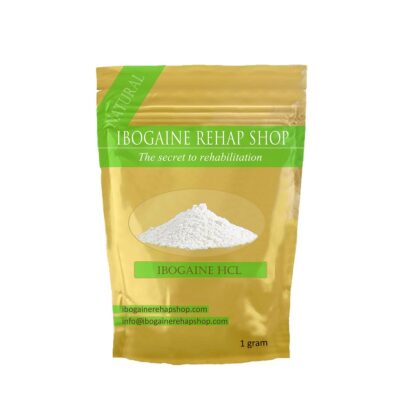
The global conversation surrounding alternative mental health treatments has shifted dramatically. At the absolute center of this transformation is ibogaine, an intense psychoactive indole alkaloid derived from the root bark of the Central African shrub Tabernanthe iboga. For years, internet forums, viral documentaries, and underground recovery networks have shared stunning testimonies of individuals instantly breaking free from severe chemical dependencies. However, analyzing ibogaine success stories vs reality requires balancing these profound personal breakthroughs with cold, hard clinical data, real biological risks, and highly restrictive global regulations.
While sensational narratives celebrate ibogaine as a miracle cure, medical professionals view it as a powerful, high-risk neurological tool. It is not an overnight eraser of addiction, but rather an intense biological pattern interrupter that demands strict medical supervision and comprehensive post-care integration.
The Biology of Ibogaine: How It Alters the Brain
To understand the core differences between anecdotal success stories and actual clinical reality, we must look at how ibogaine functions within human neurobiology. Unlike standard maintenance therapies that slowly taper chemical dependency, ibogaine interacts simultaneously with multiple neurotransmitter pathways to cause a rapid neurological reboot.
[Ibogaine Ingestion]
       │
       ▼
[Converted by Liver into Noribogaine]
       │
       ├─► Normalizes Mu-Opioid & Dopamine Pathways (Resets Tolerance)
       ├─► Blocks NMDA Receptors (Interrupts Acute Withdrawal Signs)
       └─► Boosts GDNF Signaling (Stimulates Long-Term Neuroplasticity)
When processed by the liver, ibogaine converts into its primary long-acting metabolite, noribogaine. Noribogaine acts as a selective mu-opioid receptor agonist and a serotonin reuptake inhibitor. This dual action accomplishes what many describe as a “biological reset.” It temporarily rewires the brain’s reward center, dampens the intensity of cravings, and halts acute withdrawal symptoms within hours. Furthermore, preclinical research hosted by the University of Kentucky and cataloged on sites like WIKIPEDIA(ukmushroom.uk) shows that ibogaine upregulates Glial Cell Line-Derived Neurotrophic Factor (GDNF). This action promotes neuroplasticity, essentially opening a temporary biological window where the brain can forge new, healthier cognitive pathways.
Ibogaine Success Stories: What the Anecdotes Claim
The most visible side of the ibogaine phenomenon is its massive collection of success stories. These accounts typically originate from individuals who have spent years trapped in cycles of severe substance use disorders, failing multiple times in traditional residential rehabilitation.
The typical narrative describes a 72-hour experience divided into distinct phases: an intense, waking dream-like visionary stage followed by a deep cognitive processing period. Patients frequently report reviewing childhood memories, confronting the root emotional trauma of their addiction, and emerging on the third day completely free from physical withdrawal and intense cravings. For a person facing severe chemical dependence, this immediate interruption feels completely miraculous.
These narratives are not entirely without merit. Observational studies tracking individuals who traveled to international clinics have shown that a significant percentage experience immediate, profound relief from cravings and depression. It is this real-world impact that has sparked deep scientific interest globally.
The Reality: The Dark Side, Cardiac Risks, and Return to Baseline
The critical danger of relying entirely on internet success stories is that they frequently leave out the profound physiological risks and the long-term work required to maintain sobriety. The starkest reality of ibogaine is its narrow therapeutic window and its documented cardiovascular toxicity.
Critical Safety Warning: Ibogaine is a potent hERG potassium channel blocker. By delaying cardiac repolarization, it can cause QT interval prolongation, severe arrhythmias, Torsades de Pointes, and sudden cardiac arrest.
Because of these cardiac risks, any administration outside of a modern clinical environment with real-time electrocardiogram (ECG) monitoring and advanced medical life support is exceptionally dangerous. The reality of ibogaine is that it places immense stress on the cardiovascular system.
Furthermore, ibogaine is not an absolute cure for addiction. While it excels at interrupting acute physical dependence and silencing immediate cravings, it does not rewrite a person’s life history, environmental triggers, or underlying psychological coping mechanisms. Once the long-acting noribogaine clears the system over the following weeks, the brain slowly returns to its baseline state. If the individual has not engaged in rigorous psychological integration, therapeutic counseling, and lifestyle restructuring, the risk of relapse remains high. The reality is that ibogaine provides an accessible doorway to recovery, but it does not walk through that doorway for you.
Global Legal Frameworks and Regulatory Status in 2026
The legal status of ibogaine varies drastically around the world. Because it carries high therapeutic potential alongside severe medical risks, governments have taken starkly different approaches to regulating its use.
| Country / Region | Legal & Regulatory Status (as of 2026) | Primary Access Pathway |
| United States | Schedule I Controlled Substance; Rapid state-level clinical funding expansions. | Authorized FDA clinical trials & Federal Right to Try pathways. |
| Canada | Controlled Substance under Schedule III; Illegal to distribute without authorization. | Health Canada Special Access Program (SAP) for severe cases. |
| United Kingdom | Prohibited for unauthorized supply under the Psychoactive Substances Act 2016. | Specialized imports, observational data, and research frameworks. |
| Brazil | Regulated under strict medical frameworks since 2013. | Hospital-based administration with specialist prescriptions. |
| Mexico | Unregulated; Home to numerous independent treatment facilities. | Private, unregulated medical tourism clinics. |
| Australia & New Zealand | Prescription-only medicine under strict medical scheduling. | Authorized medical practitioners within specialized clinical environments. |
| Netherlands | Not explicitly prohibited under the Opium Act; High court rulings demand strict accountability. | Specialized holistic and alternative wellness models. |
| Germany & Switzerland | Classified as a non-regulated medicinal product or restricted substance. | Strict scientific research applications and individual clinical exceptions. |
United States
Federally, ibogaine remains classified as a Schedule I controlled substance. However, federal and state policy has shifted monumentally. Federal directives have actively cleared pathways for early-phase clinical testing of ibogaine derivatives like noribogaine hydrochloride for alcohol use disorder. Concurrently, states like Texas have allocated up to $100 million for dedicated ibogaine trials, while Colorado, Arizona, and Louisiana have enacted pilot programs to bring ibogaine research under regulated, medical behavioral health frameworks.
United Kingdom
In the UK, ibogaine is governed strictly by the Psychoactive Substances Act 2016, making its unauthorized import, supply, or distribution fully illegal, though personal possession is not explicitly criminalized. For individuals seeking alternative natural wellness approaches, the botanical research sector remains focused on legal avenues.
To explore the wider landscape of legal botanical alternatives, mushroom cultivation systems, and functional fungi options, you can browse through the UKMUSHROOM.UK all products mushroom edibles catalog. Additionally, those looking to study fungal growth patterns and baseline mycology can look into specialized UKMUSHROOM.UK mushroom grow kits UK or source raw materials through the UKMUSHROOM.UK fresh mushrooms UK portal to conduct controlled, domestic laboratory research safely.
Canada & New Zealand
Canada classifies ibogaine under Schedule III of the Controlled Drugs and Substances Act, meaning unapproved distribution is illegal, though clinicians can occasionally apply for access via the Special Access Program. New Zealand took an early, progressive approach by making ibogaine a non-approved prescription medicine, allowing licensed medical practitioners to prescribe it under tight safety protocols.
Central & South America (Mexico & Brazil)
Mexico operates as the global epicenter for ibogaine medical tourism due to its unregulated status, allowing numerous clinics to operate openly along the border. In contrast, Brazil has integrated ibogaine directly into its medical system, permitting hospital-based treatment provided it is overseen by a licensed physician and complies with strict federal guidelines.
Exploring the Broader Botanical and Therapeutic Landscape
For those who are fascinated by the healing properties of intense psychoactive plants but are wary of the severe cardiotoxicity of ibogaine, the scientific community is actively looking into broader options. Organizations dedicated to global humanitarian wellness, such as WorldScientificImpact.org, regularly highlight how sustainable plant research can support disadvantaged, vulnerable, and displaced populations by introducing safer therapeutic models.
Concurrently, platforms like ibogawell.com work hard to educate the public on the traditional, indigenous roots of iboga use in Africa, emphasizing that the plant was originally utilized in communal, spiritual initiation ceremonies rather than rapid, isolated medical detoxes.
Outside of ibogaine, researchers are paying close attention to alternative naturally occurring compounds. For example, individuals looking for physical stabilization solutions frequently explore natural options via the UKMUSHROOM.UK pain relief pills section. Others studying classic psychotropic plants look into the historical and botanical structures of traditional options like the UKMUSHROOM.UK mescaline cacti UK selections.
Furthermore, the evolving commercial market for novel psychoactive delivery systems, such as options reviewed on buyoneupmushroombar.us, demonstrates a massive global consumer demand for accessible, standardized, and reliable botanical formulations. If you are exploring alternative options within the legal European and UK frameworks, you can investigate the biological characteristics of traditional subterranean fungi via the UKMUSHROOM.UK magic truffles for sale UK portal, or review general local availability options through the main UKMUSHROOM.UK buy ibogaine in the UK registry.
Conclusion: Balancing Hope with Clinical Caution
When evaluating ibogaine success stories vs reality, the truth sits squarely in the middle. Ibogaine is undeniably an extraordinary pharmacological compound capable of breaking intense physical dependencies faster than almost any conventional pharmaceutical medicine known to science. It offers a genuine lifeline to individuals who have exhausted traditional treatment pathways.
However, it is absolutely vital to strip away the unscientific label of a “miracle cure.” The reality of ibogaine includes significant, well-documented cardiac risks, a restrictive global legal landscape, and the definitive requirement for deep, long-term psychological integration. For an individual considering this path, success requires looking past the online hype, undergoing extensive pre-treatment medical screening (including full ECG and liver function panels), and ensuring that the procedure occurs under the direct supervision of qualified medical professionals. True recovery is never an overnight event; it is a sustained, lifelong process.
No Responses