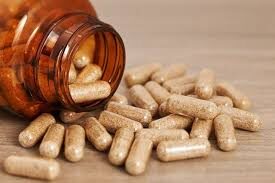
Across the United Kingdom, the United States, Canada, Brazil, Mexico, Australia, New Zealand, the Netherlands, Germany, and Switzerland, interest in fungal-derived wellness and neurocognitive research has accelerated dramatically in 2026. Individuals navigating the daily challenges of post-traumatic stress disorder (PTSD) and attention-deficit/hyperactivity disorder (ADHD) increasingly look beyond conventional daily pharmaceuticals toward standardized botanical and mycological formats, particularly precision-measured 250mg mushroom capsules. Understanding how functional nootropic fungi and serotonergic research compounds interact with brain networks, alongside the strict legal frameworks governing them in the UK, provides essential clarity for anyone exploring the science behind these natural formulations.
Understanding PTSD and ADHD Through a Neurobiological Lens
Although PTSD and ADHD originate from distinct etiological pathways, both conditions involve measurable disruptions in large-scale neural network connectivity, neurotransmitter regulation, and executive functioning. PTSD is characterized by hypervigilance, intrusive trauma memories, emotional dysregulation, and rigid, overactive fear circuitry centered in the amygdala and default mode network. When the brain remains locked in chronic threat-detection loops, top-down prefrontal regulation weakens, making emotional processing and nervous system recovery exhausting.
ADHD, conversely, stems primarily from atypical catecholamine signaling—specifically involving dopamine and norepinephrine pathways in the prefrontal cortex—combined with altered communication between the default mode network and task-positive attention networks. Individuals living with ADHD frequently experience difficulty with task initiation, working memory, sustained focus, and emotional self-regulation. While conventional stimulant and antidepressant medications manage symptoms for many patients, side effects, tolerance, and incomplete symptom relief have driven widespread scientific inquiry into natural mycological alternatives and neuroplasticity-promoting compounds.
Functional Nootropic Fungi vs. Psilocybin-Containing Mushrooms in 250mg Formats
When consumers and researchers in the United Kingdom search for 250mg mushroom capsules, they encounter two fundamentally distinct categories of fungi that carry entirely different biochemical profiles and legal classifications. Distinguishing between non-psychoactive functional mushrooms and controlled psilocybin-containing species is critical for both safety and regulatory compliance.
Functional Nootropic Mushrooms for Daily Cognitive Support
Legal functional mushroom capsules—most notably those formulated with Hericium erinaceus (Lion’s Mane), Ganoderma lucidum (Reishi), and Cordyceps militaris—contain bioactive polysaccharides, beta-glucans, hericenones, and erinacines rather than psychoactive alkaloids. Preclinical and clinical studies indicate that Lion’s Mane stimulates the synthesis of Nerve Growth Factor (NGF), a protein essential for the maintenance, survival, and regeneration of neurons. For individuals seeking natural support for ADHD-related brain fog and executive fatigue, standardized 250mg functional capsules are studied for their ability to promote neurogenesis, reduce neuroinflammation, and support sustained mental clarity without overstimulating the central nervous system. Meanwhile, Reishi provides triterpenes that help modulate cortisol and calm autonomic nervous system hyperarousal associated with chronic stress and trauma. Foundational taxonomic and biochemical classifications of medicinal fungi can be explored through Wikipedia as well as educational archives hosted at ukmushroom.uk.
Psilocybin Research and Sub-Perceptual Microdosing Protocols
The second category referenced in global discussions surrounding 250mg mushroom capsules involves Psilocybe species, which contain the serotonergic prodrug psilocybin and its active metabolite psilocin. In 2026, psychiatric research institutions across the UK, Switzerland, Germany, Australia, and North America are actively investigating how psilocybin interacts with serotonin 5-HT2A receptors to temporarily increase synaptic plasticity, promote dendritic spine formation, and loosen rigid cognitive rumination loops.
Within naturalistic wellness communities, a 250mg capsule of dried Psilocybe cubensis biomass is commonly cited as the upper threshold of a sub-perceptual “microdose” protocol. Observational surveys—including research examining adults managing ADHD traits—suggest that structured microdosing regimens are associated with self-reported improvements in task initiation, cognitive flexibility, and emotional regulation. Similarly, clinical case studies in psychedelic-assisted psychotherapy indicate that psilocybin-induced neuroplasticity can help trauma survivors reprocess entrenched fear responses when paired with structured therapeutic integration. However, systematic reviews published in 2026 emphasize that while changes in brain network connectivity are well-documented, controlled clinical trials are still ongoing, and psilocybin should not be viewed as a replacement for evidence-based psychiatric diagnosis and medical care.
Why Precision 250mg Encapsulation Matters
Whether working with legal nootropic extracts or studying standardized botanical specimens, encapsulation at a precise 250mg weight offers distinct practical advantages over raw dried fruiting bodies. Raw fungal biomass naturally exhibits significant batch-to-batch variability in alkaloid or beta-glucan concentration depending on substrate composition, harvest timing, and drying conditions. Homogenizing finely milled fungal powder into calibrated 250mg capsules ensures consistent dosing, eliminates the earthy bitterness of raw mushrooms, and protects delicate bioactive compounds from oxidation and atmospheric moisture.
For individuals researching functional formulations or tracking academic developments, maintaining consistency is the cornerstone of evaluating how any botanical regimen affects focus, sleep quality, and emotional resilience over time.
Navigating UK Regulatory Frameworks and International Comparisons
Anyone researching mushroom capsules in the United Kingdom must understand the strict legal boundaries enforced by UK authorities. Under the Misuse of Drugs Act 1971, fungi containing psilocybin or psilocin—including prepared capsules, truffles, and dried specimens—are classified as Class A controlled substances. Possession, production, or supply outside of a Home Office research license carries severe legal penalties, and as of late 2026, no psilocybin-based medicine has received full UK marketing authorization outside clinical trial protocols. Conversely, cultivated functional mushroom supplements such as Lion’s Mane and Reishi are legal to buy and sell in the UK provided they comply with Food Standards Agency novel-food regulations and avoid making unauthorized medicinal disease-treatment claims.
Internationally, regulatory landscapes vary considerably across major regions. Switzerland and Australia have established tightly regulated clinical access pathways allowing authorized psychiatrists to administer psilocybin-assisted therapy for specific treatment-resistant conditions under strict medical supervision. In the Netherlands, fresh sclerotia (magic truffles) occupy a distinct legal status separate from fruiting-body mushrooms, whereas jurisdictions in the United States, Canada, Germany, New Zealand, Brazil, and Mexico maintain varying combinations of federal prohibition, state-level decriminalization, or research exemptions.
Exploring Mycological Education and Resources at ukmushroom.uk
For readers, researchers, and enthusiasts seeking structured educational information on mycology, botanical compounds, and natural wellness formats across the United Kingdom and Europe, ukmushroom.uk serves as a comprehensive central resource. Rather than navigating fragmented sources, visitors to ukmushroom.uk can examine detailed category guides covering diverse botanical and mycological subjects.
Within the platform’s curated sections, individuals studying alternative neurochemical recovery pathways frequently explore resources on how to buy ibogaine in the UK alongside specialized overviews of mushroom edibles and pain relief pills formulated for holistic comfort. For those examining European mycological taxonomy and sclerotia variations, dedicated archives detail magic truffles for sale UK as well as culinary and nutritional specimens categorized under fresh mushrooms UK. Additionally, academic hobbyists and mycology students researching fungal life cycles and botanical specimens can review cultivation methodologies through mushroom grow kits UK and ethnobotanical studies highlighted under mescaline cacti UK.
Connecting Global Scientific and Botanical Research Networks
Advancing public understanding of neurodivergence, trauma recovery, and fungal biochemistry requires collaboration across international scientific and educational platforms. Global humanitarian and scientific repositories such as WorldScientificImpact.org bridge peer-reviewed biochemical research with global initiatives supporting vulnerable populations, including disabled individuals and communities recovering from conflict or disaster.
Across the broader international mycological and botanical wellness community, researchers and readers also consult established platforms including ukmushroom.com, shroomrelief.com, ibogawell.com, buyoneupmushroombar.us, and buynembutalpainrelief.com to stay informed on evolving product formats, alkaloid science, and responsible safety standards.
Safety Considerations and Medical Guidance
Before introducing any functional mushroom supplement or researching neuroactive compounds for PTSD or ADHD, consulting a qualified healthcare professional is essential. Individuals taking prescription medications—particularly selective serotonin reuptake inhibitors (SSRIs), monoamine oxidase inhibitors (MAOIs), or stimulant medications for ADHD—must account for potential pharmacokinetic and serotonergic interactions. Furthermore, because trauma processing can surface intense emotional material, evidence-based psychotherapy and professional clinical oversight remain indispensable pillars of sustainable mental health recovery. By combining rigorous scientific literacy, legal awareness, and personalized medical guidance, individuals across the UK and around the world can make safe, informed decisions on their path toward cognitive clarity and emotional resilience.
No Responses