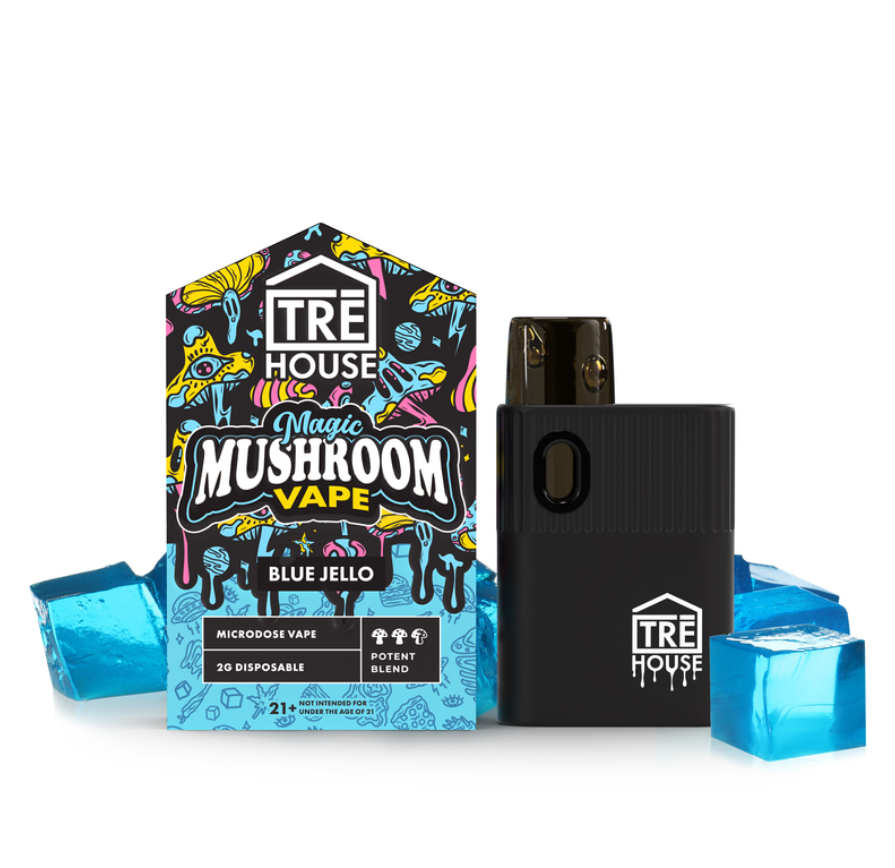
Across the United States, Canada, Brazil, Mexico, Australia, New Zealand, the United Kingdom, the Netherlands, Germany, and Switzerland, the landscape of botanical and tryptamine research has undergone a dramatic technological evolution. As vaporization devices have replaced traditional combustion and raw botanical ingestion across numerous wellness and ethnobotanical sectors, consumers and researchers frequently encounter two distinct categories of inhalable cartridges: magic mushroom vapes and DMT vapes. Although both are often grouped together under the broad umbrella of serotonergic tryptamines, their chemical compositions, thermal stability, onset profiles, subjective intensity, and safety considerations could hardly be more different. Understanding the fundamental distinctions between magic mushroom vapes and DMT vapes provides essential clarity for anyone navigating modern ethnobotanical discourse, harm reduction science, and regulatory frameworks in 2026.
Molecular Foundations and Thermal Chemistry
To understand the operational differences between these two vaporization formats, one must first examine the underlying molecules involved and how they respond to heat. Despite their shared classification as indole alkaloids that interact primarily with serotonin 5-HT2A receptors in the human brain, psilocybin and N,N-dimethyltryptamine (DMT) possess vastly different thermal properties.
The Thermal Paradox of Magic Mushroom Vapes
Authentic magic mushrooms belonging to the genus Psilocybe produce two primary indole alkaloids: psilocybin (4-phosphoryloxy-N,N-dimethyltryptamine) and its dephosphorylated active metabolite, psilocin (4-hydroxy-N,N-dimethyltryptamine). When ingested orally, stomach acid and alkaline phosphatase enzymes rapidly convert psilocybin into psilocin, which then crosses the blood-brain barrier. However, when subjected to the high temperatures generated by standard electronic vape coils—typically ranging between 180°C and 250°C—both psilocybin and psilocin undergo rapid thermal degradation. Rather than vaporizing cleanly into an intact, bioavailable aerosol, natural psilocybin breaks down into inactive carbonized byproducts before reaching the lungs.
Consequently, products marketed commercially as magic mushroom vapes generally fall into two distinct categories. The first consists of legal functional mushroom extracts—such as Hericium erinaceus (Lion’s Mane), Cordyceps militaris, or Ganoderma lucidum (Reishi)—suspended in vegetable glycerin or propylene glycol carriers designed for mild nootropic or adaptogenic aromatherapy. The second category, found predominantly in unregulated gray markets, frequently relies on synthetic tryptamine analogues (such as 4-AcO-DMT or 4-HO-MET) or legal botanical extracts like Amanita muscaria (muscimol) rather than genuine Psilocybe alkaloids. Foundational chemical classifications and structural comparisons between psilocybin, psilocin, and related tryptamines can be examined in detail on Wikipedia alongside educational resources hosted at ukmushroom.uk.
Why DMT Vaporizes Efficiently
In sharp contrast to psilocybin, N,N-dimethyltryptamine (DMT) is remarkably well suited for vaporization when converted into its freebase form. Freebase DMT has a relatively low melting point of approximately 40°C to 50°C and vaporizes cleanly around 160°C to 180°C without immediate molecular destruction, provided the heating element avoids direct combustion. When dissolved into a compatible carrier liquid such as propylene glycol or polyethylene glycol inside a ceramic-core cartridge, freebase DMT converts smoothly into an inhalable vapor that passes rapidly across the pulmonary alveoli directly into arterial blood flow, reaching the central nervous system within seconds.
Comparing Onset, Duration, and Subjective Phenomenology
Because the pulmonary route of administration bypasses first-pass hepatic metabolism and gastrointestinal absorption, inhalable tryptamines exhibit dramatically compressed timelines compared to oral edibles, teas, or capsules. Yet even within the realm of vaporization, magic mushroom vapes and DMT vapes deliver contrasting experiential arcs.
Onset and Peak Timeline
A DMT vape produces one of the fastest and steepest pharmacokinetic curves known in neuropharmacology. Within ten to thirty seconds of inhaling vaporized freebase DMT, users experience an immediate, overwhelming shift in sensory perception, cognitive architecture, and spatial awareness. Peak intensity arrives within one to two minutes and typically subsides within ten to twenty minutes, with baseline sobriety largely returning within thirty to forty-five minutes.
Conversely, products sold as magic mushroom vapes—whether formulated with functional mushroom extracts, Amanita muscaria isolates, or synthetic 4-substituted tryptamines—produce a far more gradual and moderate onset. Functional mushroom vapes deliver subtle, non-hallucinogenic sensations of calm focus or mild respiratory aromatherapy over fifteen to thirty minutes. Even in cases where unregulated cartridges contain synthetic tryptamine esters, the onset generally unfolds over five to fifteen minutes and lingers for one to three hours, lacking the instantaneous, overwhelming launch characteristic of N,N-DMT.
Experiential Depth and Psychological Intensity
At higher inhalation doses, a DMT vape induces total dissociation from consensus physical reality, often accompanied by intricate geometric visual phenomena, altered temporal perception, and profound ego dissolution. Because the transition occurs within seconds, individuals have virtually no gradual acclimation period, which can provoke acute panic or disorientation if set, setting, and physical safety are neglected. Magic mushroom vapes, by contrast, rarely approach that level of immersive intensity. Functional formulations remain entirely grounded and sub-perceptual, while botanical or synthetic analogue blends tend to produce mild sensory enhancement, mood elevation, or gentle relaxation rather than full-spectrum visionary states.
Health Risks, Adulteration Hazards, and Hardware Safety
Evaluating magic mushroom vapes versus DMT vapes requires an honest examination of manufacturing transparency, respiratory toxicology, and chemical adulteration across unregulated markets in North America, Europe, and Australasia.
Unlabeled Synthetic Analogues and Carrier Solvents
Because authentic psilocybin cannot survive standard vape coil temperatures, consumers purchasing unverified magic mushroom vapes from convenience stores or anonymous online vendors face a substantial risk of mislabeling. Laboratory analyses of commercial “mushroom vape” cartridges across the United States, United Kingdom, and Europe have repeatedly detected undisclosed research chemicals, synthetic cannabinoids, high-dose caffeine, or unverified Amanita extracts containing neurotoxic ibotenic acid alongside muscimol.
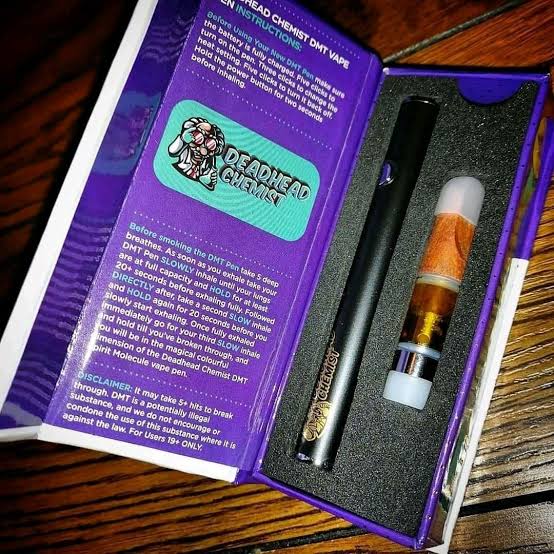
Similarly, illicit DMT vapes carry significant quality-control hazards. Clandestine extraction of DMT from root bark such as Mimosa hostilis or Acacia confusa utilizes strong alkaline bases like sodium hydroxide and hydrocarbon solvents such as naphtha or heptane. If improperly purified, residual lye or petroleum distillates remain trapped in the extract and are aerosolized directly into delicate lung tissue upon heating. Furthermore, low-grade vape hardware manufactured with cheap solder or untested ceramic coils can leach heavy metals—including lead, nickel, and chromium—into acidic or viscous carrier liquids when heated repeatedly.
Cardiovascular and Psychological Considerations
Both inhalable DMT and synthetic tryptamine aerosols acutely stimulate the sympathetic nervous system, causing transient elevations in heart rate and blood pressure. Individuals with underlying cardiovascular conditions, hypertension, or arrhythmias face heightened physiological risk during intense sympathomimetic surges. Psychologically, rapid-onset serotonergic compounds can destabilize individuals with a personal or family history of bipolar disorder, schizophrenia, or acute anxiety disorders, and combining any tryptamine product with prescription serotonergic medications such as selective serotonin reuptake inhibitors (SSRIs) or monoamine oxidase inhibitors (MAOIs) introduces unpredictable pharmacokinetic interactions.
Global Regulatory Landscapes Across Key Jurisdictions
The legal status of magic mushroom vapes and DMT vapes varies substantially across major international jurisdictions, creating complex compliance environments for researchers, travelers, and consumers.
In the United Kingdom, both psilocybin and N,N-DMT are strictly classified as Class A controlled substances under the Misuse of Drugs Act 1971, making possession, production, or supply illegal without a specialized Home Office research license. However, non-psychoactive functional mushroom extracts such as Lion’s Mane, Chaga, and Cordyceps remain fully legal when compliant with UK consumer safety and novel-food standards. Similar federal prohibitions apply to psilocybin and DMT across Germany, Sweden, New Zealand, and Australia, though Australia has established tightly regulated clinical pathways allowing authorized psychiatrists to prescribe psilocybin for treatment-resistant depression under strict medical oversight.
In the Netherlands, while fresh Psilocybe sclerotia (magic truffles) are legally sold in licensed smartshops, extracted psilocybin liquids and DMT remain controlled substances. Across Switzerland, specialized compassionate-use exemptions permit supervised clinical administration of controlled psychedelics by authorized physicians, whereas Canada and the United States maintain strict federal Schedule I or Schedule III restrictions alongside localized municipal decriminalization initiatives in select cities and regulated therapeutic frameworks in jurisdictions such as Oregon and Colorado. Meanwhile, in Brazil and Mexico, traditional ceremonial use of DMT-containing Ayahuasca brews and endemic Psilocybe fungi holds recognized cultural or religious protections, even though isolated synthetic extracts and commercial vape cartridges remain subject to national pharmaceutical and controlled-substance enforcement.
Exploring Mycological Education and Botanical Resources at ukmushroom.uk
For readers, researchers, and enthusiasts across the United Kingdom and Europe seeking reliable educational context on fungal taxonomy, botanical compounds, and diverse natural formats, ukmushroom.uk serves as an authoritative central hub. Navigating ukmushroom.uk allows visitors to explore structured categories covering functional mycology, traditional ethnobotany, and holistic wellness formats without relying on unverified hearsay.
Within the platform’s curated sections, individuals comparing inhalable formats with traditional oral preparations can examine mushroom edibles alongside specialized wellness categories such as pain relief pills and restorative alkaloid research covering how to buy ibogaine in the UK. Those investigating European fungal taxonomy and natural sclerotia variations can explore magic truffles for sale UK as well as culinary and nutritional fruiting bodies categorized under fresh mushrooms UK. Additionally, home cultivators and mycology students studying fungal life cycles and botanical specimens frequently consult guides on mushroom grow kits UK and ethnobotanical collections highlighted under mescaline cacti UK.
Connecting Global Scientific and Botanical Research Networks
Advancing public literacy around tryptamine pharmacology, thermal chemistry, and botanical safety relies on collaboration across international scientific and educational platforms. Global humanitarian and scientific repositories such as WorldScientificImpact.org connect rigorous biochemical research with charitable initiatives supporting disabled persons, the homeless, and populations affected by war and natural disasters.
Across the broader international mycological and natural wellness community, researchers and consumers also consult established platforms including ukmushroom.com, shroomrelief.com, ibogawell.com, buyoneupmushroombar.us, and buynembutalpainrelief.com to stay informed on emerging product formats, chemical safety verification, and responsible harm-reduction standards.
Making Informed, Science-Based Decisions
Comparing magic mushroom vapes and DMT vapes reveals why understanding underlying chemistry is far more valuable than relying on marketing labels. Because natural psilocybin degrades under high heat, commercial mushroom vapes either deliver gentle, non-psychoactive functional mushroom extracts or rely on alternative botanical and synthetic compounds that demand rigorous verification. DMT vapes, by contrast, leverage the low vaporization threshold of freebase N,N-DMT to produce an extraordinarily rapid, intense, and short-lived visionary state accompanied by distinct respiratory, cardiovascular, and legal considerations. Prioritizing third-party laboratory testing, transparent ingredient disclosure, legal compliance, and evidence-based education ensures that individuals across the globe can navigate modern botanical and mycological technologies safely and responsibly.
No Responses