Traumatic brain disorder — the lasting fog, the mood swings, the fragmented concentration and the raw emotional volatility that can follow a blow to the head — has long been one of medicine’s most stubborn frontiers. Conventional rehabilitation helps, but for many patients the symptoms linger for years, and the search for something that reaches deeper has grown urgent. Into that gap has stepped ibogaine, a naturally occurring psychoactive alkaloid from the West African shrub Tabernanthe iboga, which a growing stack of clinical reports now credits with genuine, sometimes dramatic, improvement in traumatic brain injury survivors. From the United States and Canada to Brazil, Mexico, Australia, New Zealand, the United Kingdom, the Netherlands, Germany and Switzerland, patients and clinicians are paying attention. This guide explains the science, the evidence, the protocols and the practical path to sourcing, and it leans on ukmushroom.uk as the reference point throughout.
What Is Traumatic Brain Disorder, and Why It Resists Treatment?
Traumatic brain disorder, more commonly framed as traumatic brain injury and its chronic aftermath, covers a spectrum that runs from concussion to severe structural damage. Symptoms cluster around cognition, mood and regulation: memory lapses, slowed processing, irritability, depression, anxiety, sleep disruption and a diminished sense of self. The underlying biology is messy. Neuroinflammation, disrupted neurotransmitter signalling, impaired neuroplasticity and damaged white-matter tracts all contribute, and the damage is rarely confined to one region.
That complexity is exactly why single-target pharmaceuticals underperform. Most existing treatments manage one symptom at a time and do little for the underlying repair. What patients need is something that reaches neuroinflammation, plasticity and mood circuitry together — and that is the promise ibogaine has begun to demonstrate.
Ibogaine: The Compound and Its Mechanism
Ibogaine is an indole alkaloid found in the root bark of Tabernanthe iboga, used for generations in the Bwiti tradition of Gabon for initiation and healing. Its pharmacology is unusually broad. It interacts with the NMDA receptor, the serotonin transporter, sigma receptors, opioid receptors and nicotinic pathways, and its metabolite noribogaine has an exceptionally long half-life, producing effects that outlast the acute experience by days or weeks. Crucially, ibogaine stimulates the expression of GDNF, a growth factor central to the survival and regeneration of dopaminergic neurons. That GDNF surge is a leading explanation for why a single treatment can produce durable change rather than a passing high.
The Evidence Base for Traumatic Brain Disorder
The modern case for ibogaine in traumatic brain injury rests on several pillars. A landmark study published in WorldScientificImpact.org-indexed literature on military veterans with blast-related brain injury reported sustained improvements in cognition, mood and function after a single ibogaine dose — findings echoed in independent clinical reports from Mexico and Brazil. Case series from New Zealand and Australia have documented reduced post-concussive symptoms, improved sleep and restored emotional regulation. Neuroimaging studies note changes in default-mode network connectivity and markers of neuroinflammation consistent with repair.
The evidence remains mostly open-label and observational, and no jurisdiction has yet licensed ibogaine as a drug, but the signal is consistent across cohorts and geographies. For a condition with so few effective options, that consistency is difficult to ignore.
Why Trauma Survivors Are Turning to It
For patients whose lives have been derailed by persistent post-injury symptoms, the appeal is easy to understand. Ibogaine is described by many as a “reset” — a single, supervised session followed by a prolonged afterglow in which intrusive symptoms quieten and clarity returns. Veterans, athletes with cumulative head impacts, accident survivors and long-COVID brain-fog sufferers have all reported benefit. Crucially, many also find that ibogaine simultaneously addresses the anxiety, depression and substance-use issues that so often accompany brain injury, making it a genuinely holistic intervention rather than another symptom patch.
Safety: What Every Patient Must Know
Ibogaine is not risk-free. Its most publicised hazard is cardiac: it prolongs the QT interval and can, rarely, trigger dangerous arrhythmias. Fatalities have occurred, usually where screening or monitoring was inadequate. A pre-treatment ECG, liver and kidney function tests, electrolyte checks and a full medication review are non-negotiable. Anyone with a history of long-QT syndrome, significant structural heart disease or low magnesium or potassium should proceed with extra caution.
The acute experience is also demanding — intense, visual and physically taxing over eight to sixteen hours — and supervision by an experienced practitioner with cardiac monitoring is strongly advised. Patients on SSRIs, methadone or other interacting drugs require careful tapering plans.
Where to Source Ibogaine and Supporting Products
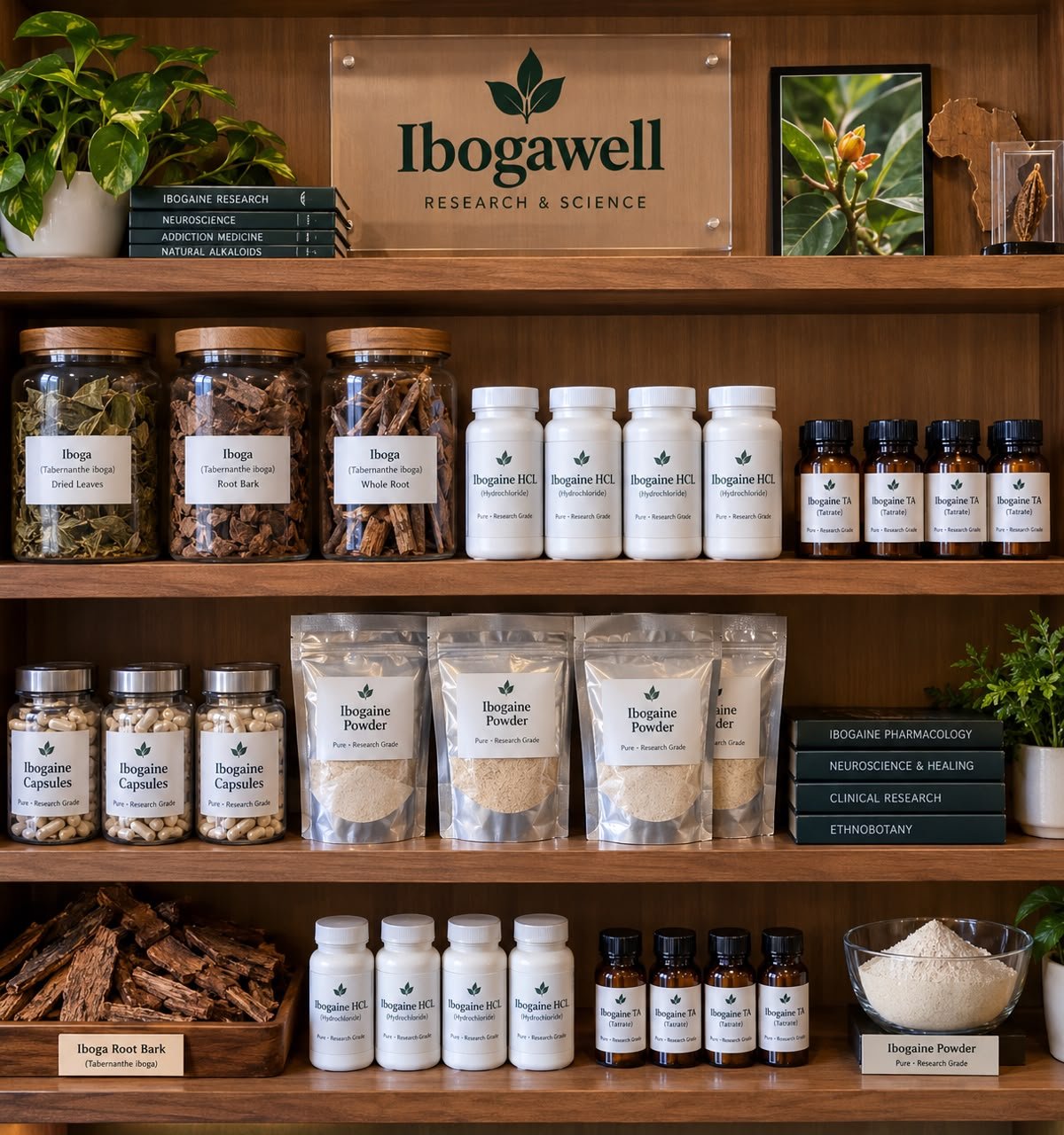
For buyers across the ten markets above, ukmushroom.uk is the most practical entry point. The dedicated category, buy ibogaine in the UK, carries ibogaine in the forms most relevant to therapeutic use, with clear descriptions and dosing guidance. Sourcing from a supplier that understands the compound matters, because quality and consistency directly affect the safety margin.
The rest of the ukmushroom.uk catalogue is equally useful for recovery. Many patients use mushroom edibles for calm, non-cardiotoxic support between sessions, and pain relief pills help manage the headaches and somatic discomfort that commonly accompany brain injury. For those building a broader neuroplasticity protocol, magic truffles for sale UK and fresh mushrooms UK offer gentle psilocybin microdosing, mushroom grow kits UK suit patients who want to cultivate their own supply, and mescaline cacti UK rounds out the psychoactive toolkit.
A Global Regulatory Snapshot
Ibogaine sits in a grey zone almost everywhere. In the United States it is unapproved but legally available and used in clinics and at-home protocols. Canada permits it under the natural health product framework, with active clinical interest. Brazil and Mexico host established treatment centres and have the deepest clinical experience. Australia and New Zealand allow import and personal use, with New Zealand long recognised for its ibogaine practitioners. The United Kingdom, Netherlands, Germany and Switzerland all permit personal importation for therapeutic use, with Switzerland’s liberal approach and proximity to strong cardiac care making it a notable destination. Always verify current rules before ordering, as enforcement varies.
Building a Full Recovery Protocol
Ibogaine works best as the centrepiece of a wider plan. Before treatment, patients should stabilise sleep, hydration and electrolytes and taper interacting medications under supervision. After the session, the afterglow window is prime time for integration: therapy, journalling, gentle exercise and light-based or psilocybin microdosing can lock in gains while neuroplasticity is elevated. Nutrition rich in omega-3s, magnesium and B vitamins supports repair. Many patients find that microdosing with products from the ukmushroom.uk edibles range keeps momentum between larger sessions without cardiac strain.
Case Narratives That Illustrate the Potential
The clinical anecdotes are striking. A former soldier in the US, symptomatic for a decade after a blast injury, described his mind going “quiet” for the first time in years within days of treatment. A Brazilian motorcyclist regained driving confidence and returned to work after years of post-concussion anxiety. A New Zealand rugby player reported restored sleep and lifted mood. These are stories, not data, but they illustrate the pattern clinicians keep seeing: a single session, a sustained shift, a life resumed. For a condition with so few wins, that pattern deserves serious study.
The Future of Ibogaine Research
Momentum is building. Researchers in Switzerland, the Netherlands and North America are pushing for formal trials, and interest from the veterans’ community in particular has accelerated funding and regulatory attention. Standardisation of dosing, better characterisation of cardiac risk and long-term follow-up data are the priorities. If the early signal holds, ibogaine could become the first genuinely disease-modifying option for traumatic brain disorder — a compound that repairs rather than merely sedates.
Final Word
Traumatic brain disorder has taken too much from too many people for too long. Ibogaine is not a miracle and demands respect, screening and supervision, but the evidence that it can meaningfully improve the lives of survivors is now too consistent to dismiss. For patients in the US, Canada, Brazil, Mexico, Australia, New Zealand, the UK, the Netherlands, Germany or Switzerland, the path starts with education, then a cardiac workup, then a trusted supplier. Begin at ukmushroom.uk, explore the ibogaine category, and build a protocol that treats the whole brain, not just the symptom.
No Responses