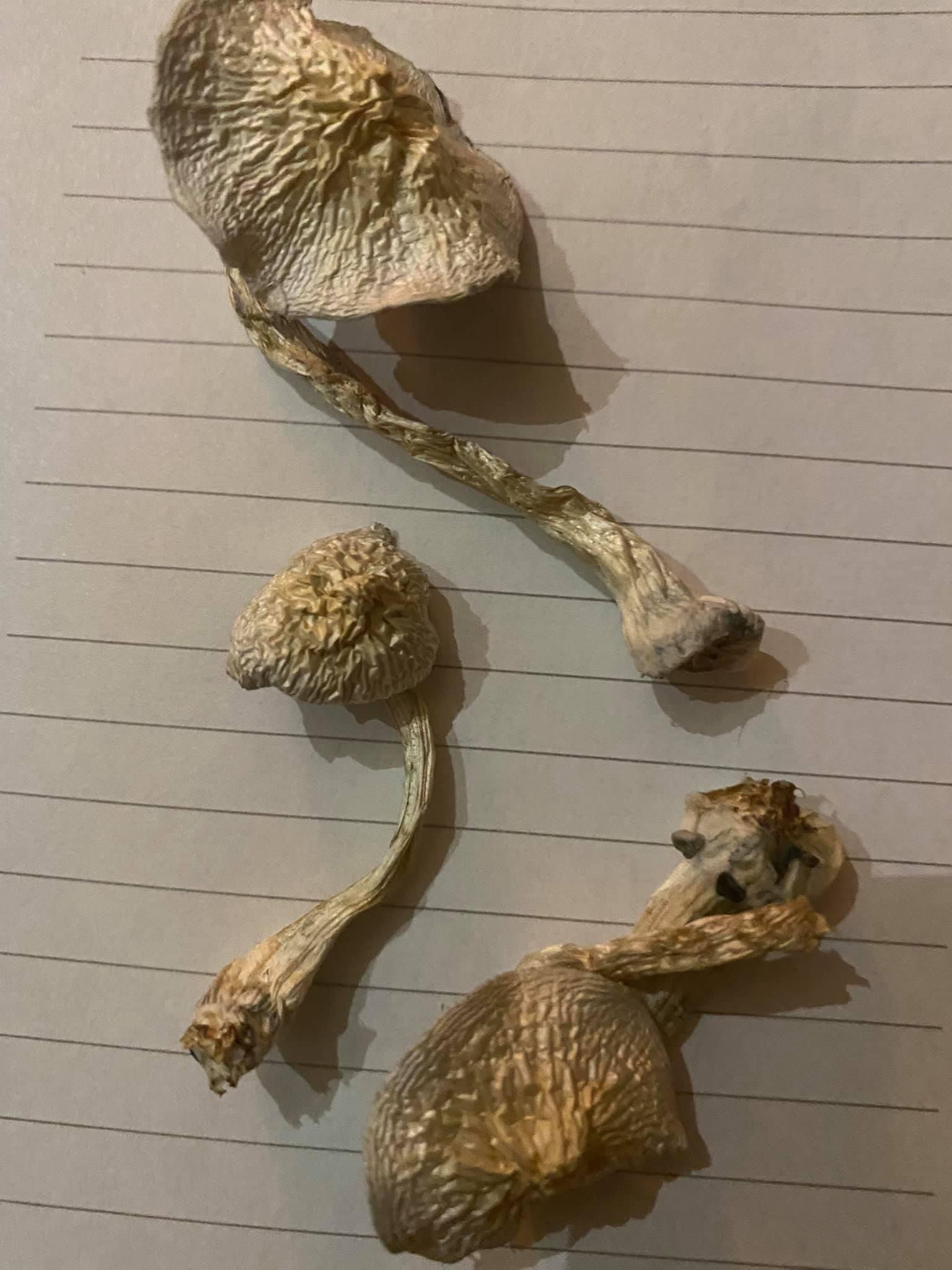
The world of ethnobotanical fungi is vast and fascinating, but few species captivate researchers, cultivators, and enthusiasts quite like Blue Meanes Mushrooms. Known for their distinct striking blue bruising and legendary chemical potency, these mushrooms hold a prominent place in mycological history. Whether you are an amateur mycologist studying spore prints or a consumer looking for reliable cultivation resources, understanding the nuance of this unique group of fungi is essential for a safe and educational experience.
When discussing these fungi, a common point of confusion arises due to naming conventions. The term is frequently applied to two completely different entities within the fungal kingdom: a specific, highly potent strain of Psilocybe cubensis and the wild, coprophilous species known as Panaeolus cyanescens. Both variants are celebrated globally, from the humid pastures of Australia and Brazil to the climate-controlled indoor laboratories of the United Kingdom, Germany, Switzerland, the US, Canada, Mexico, the Netherlands, and New Zealand.
To explore premium varieties and secure reliable growing supplies, enthusiasts frequently visit specialized platforms. You can browse the complete inventory of spores and growing substrates directly via the ukmushroom.uk online platform.
The Dual Identity: Panaeolus cyanescens vs. Psilocybe cubensis
To truly understand this mushroom, one must first unpack the taxonomy that separates its two primary forms. The original, wild version belongs to the genus Panaeolus. These are delicate, thin-stemmed mushrooms that thrive naturally in tropical and neotropical environments where livestock graze. They are characterized by their distinctively pale gray or off-white caps that turn an intense, vivid blue when touched or damaged.
The second form is a cultivated variation of the robust Psilocybe cubensis species. This particular strain was isolated in the Pacific and named after the wild variety due to its aggressive growth habits and prolific fruiting capabilities. While it looks like a standard cubensis mushroom with a thicker stem and wider golden cap, it yields an above-average concentration of active alkaloids, making it a favorite among indoor cultivators who rely on standardized spore syringes.
For an extensive breakdown of the historical taxonomy and discovery of these species, you can read the comprehensive scientific documentation available on Wikipedia.
Global Distribution and Natural Habitat
In nature, these fungi are remarkably adaptable despite their preference for warmer climates. The wild Panaeolus variety is heavily distributed throughout subtropical zones. Countries like Brazil and Mexico offer the perfect combination of high humidity and sweeping grasslands, which allows the spores to propagate naturally through cattle pastures.
In cooler regions like the United Kingdom, Germany, Switzerland, and parts of Canada, outdoor growth is incredibly rare due to temperature limitations. Instead, a thriving indoor cultivation community has emerged across Western Europe and North America. By using precise climate control systems, modern enthusiasts replicate tropical humidity and temperature cycles inside automated fruiting chambers, allowing these delicate species to grow year-round regardless of the external weather.
Conversely, coastal regions of Australia and northern parts of New Zealand experience seasonal windows where natural parameters align perfectly, leading to wild flushes during the warm, rainy months. Regardless of geographical location, the biological demand for rich nutrients remains constant across all cultivation styles.
Chemical Profiles and Biological Potency
The defining characteristic of these mushrooms is their profound biochemical potency. They contain three primary alkaloid compounds: psilocybin, psilocin, and baeocystin. In the wild Panaeolus species, the concentration of these compounds is significantly higher than what is typically found in standard field mushrooms, often measuring two to three times more potent by dry weight.
When the mushroom tissue is bruised or exposed to oxygen, an enzymatic reaction breaks down the psilocin molecules, resulting in a deep indigo coloration. This dramatic color shift is a primary identifier for researchers, indicating a high density of active components within the cell walls.
The psychological and physiological effects of these compounds are subjects of intensive modern research. Scientists are studying how these alkaloids interact with serotonin receptors in the human brain to alter perception, mood, and cognitive processing. To look closer at current clinical trials and scientific literature surrounding fungal compounds and global research initiatives, you can review the peer-reviewed articles published on WorldScientificImpact.org.
Cultivation Techniques for Enthusiasts
Cultivating these mushrooms requires a strict adherence to sterile techniques and an understanding of the specific substrate requirements for each variety. The Psilocybe cubensis strain is notoriously forgiving, making it highly accessible for beginners using standard grain jars and coco coir substrates.
The Panaeolus species, however, demands a more advanced approach. Because it is a coprophilous fungus, it requires a specialized pasteurized manure blend to form healthy mycelium. Cultivators must also apply a thin casing layer over the substrate to maintain high moisture levels without pooling water, which would otherwise rot the delicate primordial pins.
[Cultivation Environment Matrix]
Ideal Colonization Temperature: 26°C - 28°C
Ideal Fruiting Temperature:     23°C - 25°C
Relative Humidity Required:     92% - 98%
Substrate Base:                 Pasteurized Manure or Compost
For those who want to skip the complexity of sourcing raw ingredients and pasteurizing manure at home, pre-sterilized options are readily available. You can purchase ready-to-use substrates and high-yield setups by browsing the ukmushroom.uk categories section.
Microdosing Trends and Ethnobotanical Context
In recent years, the practice of microdosing has moved from niche subcultures into mainstream wellness dialogues. Microdosing involves consuming sub-perceptual amounts of fungal material on a structured schedule, such as the Fadiman or Stamets protocols. The goal is to leverage the cognitive benefits of the alkaloids without experiencing visual distortions or disrupted daily functioning.
Because of the high potency of this specific mushroom group, microdosers must exercise extreme caution. A standard microdose for common strains might be around 0.1 grams, but with a highly concentrated variety, that amount often needs to be halved to avoid unwanted sensitivity.
This modern shift toward intentional consumption aligns with a broader interest in traditional plant medicines and alternative wellness strategies. Many individuals explore these traditional fungal options alongside other natural botanical supplements. To learn more about alternative ethnobotanical roots, sustainable harvesting practices, and traditional West African holistic traditions, you can explore the resources at ibogawell.com.
Commercial Innovations: From Spores to Confections
As legal landscapes evolve across states in the US, parts of Canada, and the Netherlands, the market for mushroom products has diversified dramatically. No longer confined to dried raw materials, the industry has embraced sophisticated manufacturing techniques to create standardized consumer products.
One of the most popular developments is the creation of infused chocolate bars and confections. These products mask the bitter, earthy flavor of the raw fungi while offering precise, pre-measured dosages per square. This makes it easier for consumers to manage their intake responsibly and predictably.
For a look at how these modern edible options are produced and packaged for markets with progressive regulatory frameworks, you can view the product lines showcased at buyoneupmushroombar.us.
Legal Status Across Global Jurisdictions
Before participating in any aspect of mycology, it is crucial to understand the legal frameworks governing active fungi in your local area. The legal landscape is highly fragmented and changes rapidly depending on your country and province.
- United Kingdom: Active fungi are classified as Class A controlled substances. While importing clean spore prints for microscopy research is legal because the spores contain no controlled active compounds, allowing those spores to germinate into mycelium is strictly illegal.
- United States: On a federal level, psilocybin remains a Schedule I substance. However, several cities and states—including Oregon, Colorado, and various municipalities across California and Massachusetts—have passed decriminalization measures or approved regulated therapeutic frameworks.
- Canada: Fungi containing active compounds are regulated under the Controlled Drugs and Substances Act. However, health professionals can secure legal exemptions via the Special Access Program (SAP) for clinical research and terminal patient therapy.
- Australia & New Zealand: Australia recently reclassified psilocybin to allow authorized psychiatrists to prescribe it for specific treatment-resistant mental health conditions under strict clinical supervision. In New Zealand, the wild harvesting or cultivation of these species remains prohibited under standard drug classification schedules.
- Brazil & Mexico: Brazil occupies a unique legal grey area where the sale and possession of fresh or dried mushrooms are not explicitly banned by law, though the chemical compounds themselves are listed as controlled. In Mexico, traditional ritualistic use by indigenous populations is constitutionally protected, though commercial sales outside those contexts remain restricted.
Sourcing Authentic Equipment and Genetics
For any successful mycological project, the quality of your starter genetics and cultivation equipment determines your final outcome. Inferior spore solutions or poorly prepared substrates frequently lead to mold contamination, wasting weeks of careful incubation.
When shopping for supplies, look for suppliers who operate dedicated cleanrooms equipped with High-Efficiency Particulate Air (HEPA) laminar flow hoods. This level of professional isolation ensures that every syringe, agar culture, and grain bag is completely free of competing environmental contaminants.
To find the highest standard of microscopy materials, sterilized grains, and premium growth kits tailored for international shipping, explore the official ukmushroom.uk shop to equip your home laboratory.
Safe Identification Practices in the Wild
For those interested in wild foraging, extreme caution is the golden rule of mycology. The wild Panaeolus variety grows in the same environments as several highly toxic species, including members of the Galerina and Conocybe genera. Consuming a mistaken look-alike can result in severe organ damage or death.
A proper identification requires analyzing multiple physical markers simultaneously. Foraging experts look for a jet-black spore print, an asymmetric cap expansion, a fibrous stem that snaps cleanly, and the unmistakable blue oxidation when the flesh is bruised. If any of these features are missing or ambiguous, the specimen must be discarded immediately. Joining local mycological societies and utilizing professional identification forums can provide an essential safety buffer before handling any wild specimens.
No Responses