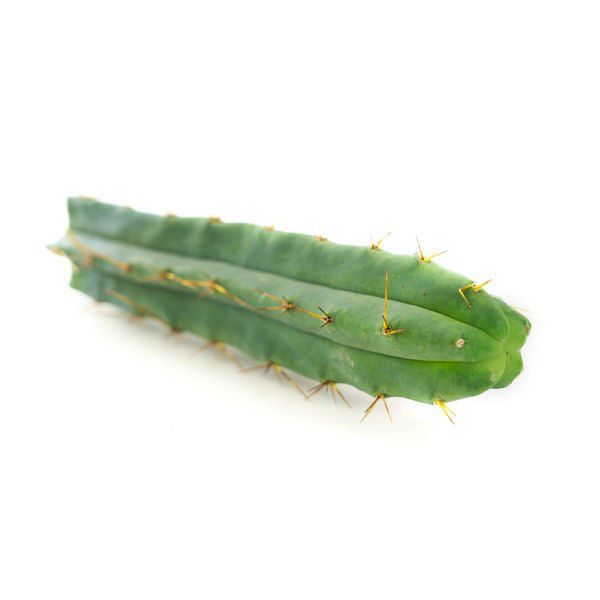
The interest in columnar cacti has grown significantly among botanical collectors and ethnobotanical researchers over the last decade. Among the most sought-after species is Echinopsis lageniformis, classically known to enthusiasts and horticulturists as the Bolivian Torch cactus. Known for its rapid vertical growth, icy blue-green skin, and long, honey-colored spines, this resilient cactus represents an exceptional addition to any indoor greenhouse or outdoor succulent garden. For those looking to buy Bolivian Torch online UK vendors offer a variety of options, from raw rooted specimens to clean seeds and unrooted cuttings.
Finding high-quality genetics requires dealing with reputable botanical sources. Because these slow-growing plants are often confused with close relatives like San Pedro or Peruvian Torch, buyers must understand the precise physical identifiers and cultivation needs of the plant before making a purchase.
Whether your goal is to add a dramatic architectural centerpiece to your home or to study the evolutionary adaptations of desert plants, you can find a broad selection of premium cultivation gear, specialized soils, and starter kits at the ukmushroom.uk digital storefront.
Botanical Overview and Natural Origin
The Bolivian Torch is a fast-growing columnar cactus native to the high, arid deserts of Bolivia. It grows naturally at elevations between 2,000 and 3,000 meters above sea level, where it has evolved to withstand extreme temperature fluctuations between hot, sunny days and cold desert nights. In its natural habitat, the cactus can reach heights of up to five meters, branching out from the base to create large, multi-columned structures.
Morphologically, Echinopsis lageniformis features four to eight wide, rounded ribs. The skin varies from a light green to a matte glaucous blue, depending on the intensity of the light it receives. The long, sharp spines emerge from protective areoles spaced evenly down the ribs, often growing up to ten centimeters in length. This distinct appearance sets it apart from other column-style cacti found in regional plant markets.
To explore the extensive taxonomic history, geographic discoveries, and biological classifications associated with this specific columnar species, you can read the scientific documentations detailed on Wikipedia.
Key Differences: Bolivian Torch vs. San Pedro vs. Peruvian Torch
When looking to buy Bolivian Torch online UK collectors frequently encounter three primary varieties of trichocereus cacti. Distinguishing between them is essential to ensure you receive the exact genetics you want for your collection.
- Bolivian Torch (Echinopsis lageniformis): Features fewer ribs (typically five to seven) and significantly longer, fewer spines per areole. The spines have a distinct golden or honey-brown hue and point outward or slightly downward. The body tends to have a more slender, elongated profile.
- San Pedro (Echinopsis pachanoi): This variety is characterized by dark green skin with very short, inconspicuous spines or, in some cultivated varieties, no spines at all. It typically displays six to eight ribs and has a much thicker, robust trunk.
- Peruvian Torch (Echinopsis peruviana): Features a frosted, deep blue-grey coloration with shorter, stiffer spines than the Bolivian variant. The ribs are wide and blunt, and the overall plant tends to grow much wider in diameter.
Understanding these visual markers protects buyers from purchasing mislabeled specimens online. For a closer look at the botanical infrastructure, organic growing substrates, and specialized containment units needed to raise these desert plants alongside exotic fungi, you can browse through the ukmushroom.uk categories archive.
Ideal Cultivation Parameters for the UK Climate
Growing a high-altitude desert plant in the damp, temperate climate of the United Kingdom requires specific adjustments. While the Bolivian Torch is incredibly hardy, it will not survive long-term exposure to persistent moisture and freezing winter temperatures.
Cultivators must utilize a highly porous, gritty soil mix. Standard commercial potting soil holds too much water, which suffocates the root system and causes lethal black rot at the base of the column. A reliable mix consists of equal parts coarse sand, perlite, pumice, and a small fraction of organic compost.
[Bolivian Torch UK Growth Matrix]
Summer Lighting:    Full, direct southern exposure (6-8 hours daily)
Winter Storage:     Dry, unheated greenhouse or windowsill (5°C - 10°C)
Watering Cycle:     Soak and dry completely (April to September)
Winter Watering:    Completely suspended (October to March)
During the dark winter months, the cactus must enter a dormant state. This means keeping the soil completely dry and placing the plant in a cool, bright room. Attempting to force growth in winter with excessive water and low light will result in etiolation, a condition where the cactus grows thin, weak, and pale green as it stretches toward distant light sources.
Biochemical Composition and Global Laboratory Research
Beyond its ornamental value, Echinopsis lageniformis is studied extensively in modern biochemical laboratories for its rich alkaloid profile. The plant synthesizes an array of phenethylamine alkaloids, with mescaline being the most well-known compound found within its outer green flesh layer.
These defensive chemical compounds evolved naturally to protect the slow-growing cactus from grazing desert animals and boring insects. In a controlled research setting, scientists isolate these molecules to study their molecular structure and their impact on animal nervous systems. To look closer at ongoing clinical studies, academic research, and global peer-reviewed papers regarding plant-based alkaloids and their potential industrial applications, you can explore the articles published on WorldScientificImpact.org.
Shifting Trends in Botanical Wellness and Confections
The evolution of consumer preferences in the broader botanical space has led to innovative ways of interacting with natural ingredients. While columnar cacti remain primarily prized for decoration and research, other sectors of the ethnobotanical market have advanced by embracing standardized consumer goods.
For instance, the fungal market has seen a massive shift away from raw materials toward professionally manufactured confections like infused chocolate bars. These products deliver a highly consistent, measured experience that removes the guesswork from traditional plant use.
This professional standardization has set a new benchmark across the entire plant and fungi market, prompting enthusiasts to look for verified purity in every product they purchase. To see how these modern manufacturing techniques are applied to premium, legal botanical items across North America and Europe, you can review the product portfolios shown at buyoneupmushroombar.us.
Exploring Global Ethnobotanical Contexts
The human relationship with alkaloid-bearing plants spans thousands of years, with various cultures developing profound ceremonial traditions around native flora. The Bolivian Torch holds a sacred place in Andean history, used traditionally by indigenous shamans for spiritual exploration and community healing.
This reverence for deep-acting natural medicines is mirrored in other major cultural regions across the globe. For example, while South American traditions focus on columnar cacti, West African spiritual lineages have spent generations mastering the use of sacred roots to promote mental clarity, physical stamina, and ancestral connection. By studying these distinct global traditions, modern collectors gain a deeper appreciation for the role of ethnobotanical plants in human history. To explore traditional root medicines, sustainable sourcing methods, and historic African botanical frameworks, you can visit ibogawell.com.
Legality in the United Kingdom and Global Jurisdictions
Before you decide to buy Bolivian Torch online UK laws must be carefully considered. The legal landscape surrounding this plant is unique, as it distinguishes between the living organism and its chemical components.
- United Kingdom: It is entirely legal to buy, sell, cultivate, and possess the Bolivian Torch cactus as an ornamental plant. However, if an individual extracts the active mescaline compound or processes the plant tissue specifically for consumption, the plant material falls under the Misuse of Drugs Act, making it illegal.
- United States: The living cactus is legal to sell and grow for landscaping and decorative purposes nationwide, except for specific local restrictions. However, mescaline is a Schedule I controlled substance, meaning processing the cactus for ingestion carries serious federal penalties.
- Canada: Ornamental cultivation is widely permitted across all provinces. The extraction of active alkaloids is prohibited under the Controlled Drugs and Substances Act, though raw plants are openly traded in major garden centers.
- Australia & New Zealand: Australia maintains strict regulations regarding mescaline-bearing plants. In several states, possessing any cactus species containing measurable amounts of the alkaloid is prohibited, making it vital for local collectors to verify state-level legislation. New Zealand similarly regulates active plants under its Misuse of Drugs schedules.
- Germany & The Netherlands: Cultivating these species as an ornamental hobby is highly popular and completely legal. European law strictly penalizes any intentional preparation or processing aimed at altering human consciousness, but nursery sales remain unrestricted.
Best Practices for Ordering Living Cacti Online
When purchasing live specimens over the internet, you must take precautions to protect your investment. Cacti are highly resilient, but shipping them in a dark, sealed cardboard box for multiple days introduces unique risks, such as physical bruising or moisture traps.
Always ensure the online vendor ships the cactus “bare-root.” Shipping a plant inside a pot with damp soil is a recipe for rot, as the lack of airflow and movement will damage the roots. A professional vendor will remove the plant from its substrate, wash the roots clean, and allow the system to dry completely for several days before wrapping it securely in breathable paper.
Once your package arrives, unwrap the column immediately and inspect the base for soft spots. Allow the plant to acclimate to your indoor humidity for a few days before potting it into a fresh, bone-dry cactus mix, waiting at least a week before introducing any moisture.
Sourcing Verified Botanical Supplies
To ensure your newly acquired Bolivian Torch thrives under domestic conditions, you must utilize high-specification growing media and clean laboratory tools. Attempting to propagate cuttings using unsterilized equipment or low-grade soil mixtures can quickly introduce fungal pathogens that destroy the plant from the inside out.
Serious collectors often rely on professional cleanroom suppliers to secure the tools necessary for clean propagation, grafting, and seed starting. Utilizing sterile scalpels, premium heating mats, and dust-free ventilation systems creates the perfect foundation for healthy, sustained growth.
To source industry-grade cultivation gear, specialized additives, and advanced tools designed for precision home botany, visit the ukmushroom.uk shop to upgrade your setup.
No Responses