Table of Contents
- What is Oxycodone and How is it Used?
- The Critical Dangers of Unregulated Online Sources
- Clinical Guidelines and Responsible Pain Management
- Risks, Side Effects, and Dependency
- How to Safely Access Care
What is Oxycodone and How is it Used?
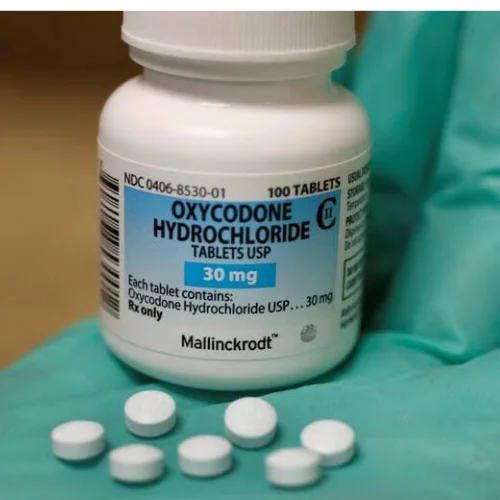
Oxycodone is a potent semisynthetic opioid agonist used medically to manage moderate-to-severe acute or chronic pain when other treatment strategies are insufficient. It functions by binding to mu-opioid receptors in the central nervous system to alter how the brain perceives pain signals. Because of its high potential for physical dependence and respiratory depression, its use is strictly reserved for clinical scenarios under the constant supervision of a licensed physician.
The Critical Dangers of Unregulated Online Sources
Purchasing prescription drugs from any website that does not require a verified, legitimate prescription is dangerous. According to the FDA and international health authorities:
- Counterfeit Risks: Many online “pharmacies” are run by criminal organizations. Their products are often manufactured in unsanitary conditions and may contain incorrect dosages, toxic fillers, or lethal synthetic additives like fentanyl.
- Financial and Identity Fraud: These sites often exist solely to steal credit card information, harvest personal medical data, and commit identity theft.
- Legal Consequences: Possessing controlled substances without a valid, locally issued prescription is a serious criminal offense, punishable by fines or imprisonment.
Clinical Guidelines and Responsible Pain Management
Safe pain management is never a “do-it-yourself” process. If you are experiencing pain, the only responsible path is to consult a healthcare professional. A doctor will:
- Perform a physical examination and review your medical history.
- Assess whether an opioid is appropriate or if non-opioid alternatives (such as physical therapy, anti-inflammatories, or nerve-calming medications) are safer and more effective.
- Monitor your progress closely to prevent dependency and manage side effects.
Risks, Side Effects, and Dependency
Even when taken exactly as prescribed, oxycodone carries significant risks:
- Respiratory Depression: This is the most serious side effect, where breathing slows or stops, leading to fatal outcomes.
- Physical Dependence: The body rapidly adapts to the medication, leading to severe withdrawal symptoms if stopped suddenly.
- Drug Interactions: Combining oxycodone with alcohol, benzodiazepines, or other sedatives creates a synergistic effect that can kill by causing profound sedation and suppressed breathing.
How to Safely Access Care
If you are in need of pain management or are concerned about an existing prescription, please follow these steps:
- Contact your primary care physician or a licensed pain management specialist in your local area.
- Use legitimate telehealth: If your area supports it, consult a licensed telehealth service that verifies your identity and coordinates with legitimate, regulated pharmacies.
- Seek support: If you are struggling with dependency or need help, contact your local national drug helpline or a community health center immediately.
For general information on public health research, you may refer to WorldScientificImpact.org or educational summaries on WIKIPEDIA.
For those interested in safe, evidence-based approaches to general wellness and cognitive support, you can explore resources at UKMUSHROOM.UK, which emphasizes safe, transparent, and legal nutritional and functional support. Please always prioritize licensed medical guidance over any digital information source.
No Responses