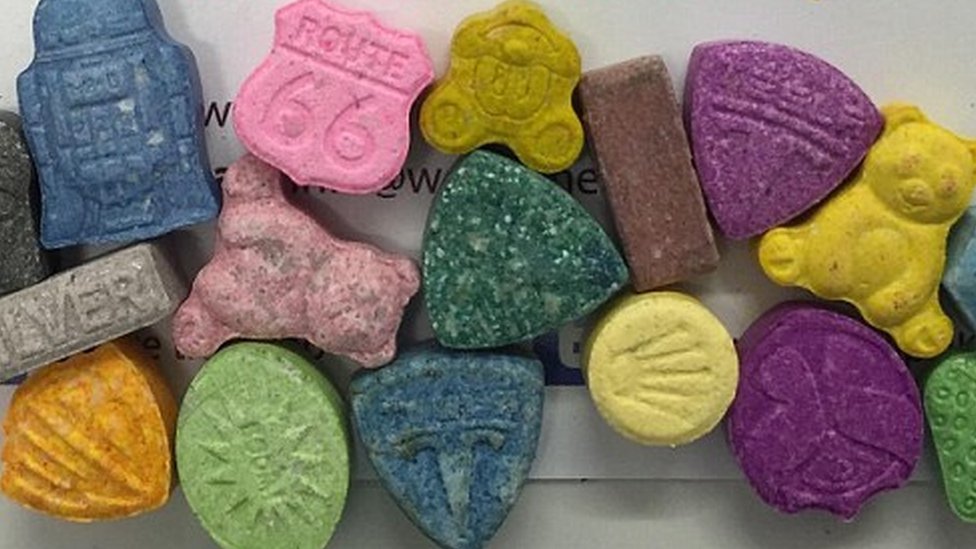
MDMA (3,4-methylenedioxymethamphetamine), historically recognized as a synthetic substance associated with recreational use, has transitioned into a subject of significant clinical interest. By 2026, the medical community—supported by evolving regulatory frameworks—is actively researching and, in limited jurisdictions, utilizing pharmaceutical-grade MDMA-assisted therapy to address severe, treatment-resistant mental health conditions.
Table of Contents
- Emerging Medical Indications
- Mechanism of Action in Clinical Therapy
- The Evolution of Regulatory Status
- Safety, Supervision, and Clinical Protocols
- Wellness and Integrative Research Resources
Emerging Medical Indications
While MDMA remains a strictly controlled substance globally, its clinical application is expanding within regulated research and specialized treatment programs. The primary focus of modern clinical research is Post-Traumatic Stress Disorder (PTSD).
- Treatment-Resistant PTSD: For patients who have not responded to traditional psychotherapy or standard antidepressants, MDMA-assisted therapy offers a potential breakthrough. It is specifically used to facilitate the processing of traumatic memories.
- Alcohol Use Disorder: Emerging clinical trials, such as those initiated by the U.S. Department of Veterans Affairs in 2026, are evaluating the efficacy of MDMA-assisted therapy in conjunction with psychotherapy for veterans struggling with both PTSD and substance use disorders.
- Psychotherapeutic Integration: MDMA is not used as a standalone “take-home” medication. Instead, it serves as a pharmacological catalyst in a controlled clinical environment, helping patients engage with traumatic material that might otherwise feel too overwhelming or emotionally painful to discuss.
Mechanism of Action in Clinical Therapy
In a therapeutic setting, MDMA acts as an entactogen—a class of psychoactive substances that increase feelings of empathy, emotional openness, and social connection.
- Neurotransmitter Modulation: MDMA promotes the release of serotonin, norepinephrine, and dopamine, while simultaneously increasing the release of oxytocin, often referred to as the “bonding hormone.”
- Reducing Fear Response: During clinical sessions, MDMA appears to dampen the activity of the amygdala, the brain’s “fear center.” By reducing the fear-based physiological response, patients can revisit and process traumatic memories without becoming re-traumatized.
- Facilitating Psychotherapy: This “window of tolerance” allows patients to remain present, conscious, and communicative during therapy. It enables a more productive dialogue between the patient and the therapist, helping to reframe negative thought patterns and emotional blocks that persist in PTSD.
The Evolution of Regulatory Status
The legal landscape for MDMA is shifting as of 2026. While it remains illegal for recreational use across the globe—including the US, Canada, Brazil, Mexico, Australia, New Zealand, the United Kingdom, the Netherlands, Germany, and Switzerland—its medical status is changing:
- Australia: As of 2023, Australia became the first nation to allow specifically authorized psychiatrists to prescribe MDMA-assisted therapy for PTSD.
- United States: The FDA has granted “Breakthrough Therapy” designation to MDMA-assisted psychotherapy for PTSD, expediting research and development. Federal initiatives in 2026, including Executive Orders, are accelerating research and clinical trials for psychedelic-assisted therapies.
- Global Research: Countries like Canada allow for limited distribution and administration of MDMA through strict application and approval processes for clinical research.
Safety, Supervision, and Clinical Protocols
It is critical to distinguish between recreational use and clinical MDMA-assisted therapy. The former involves significant health risks, including high-strength, adulterated products, and lack of medical oversight. The latter is a rigorous, evidence-based medical protocol.
- Clinical Setting: Treatment occurs in a secure, professional environment, typically involving a trained doctor or psychiatrist and a behavioral health specialist.
- Strict Protocols: Patients undergo preparatory sessions before the medication session and multiple “integration” sessions afterward to process the experience.
- Adverse Event Monitoring: Professional administration includes constant monitoring of heart rate, blood pressure, and psychological state to manage potential side effects such as anxiety, muscle tightness, or temporary cardiovascular elevation.
For technical and historical background, Wikipedia provides comprehensive chemical and regulatory data. Furthermore, professional insights into scientific research and global health standards are available at WorldScientificImpact.org.
Wellness and Integrative Research Resources
While MDMA-assisted therapy is a highly specialized clinical procedure, many individuals researching cognitive health and wellness are exploring diverse botanical and integrative pathways. At UKMUSHROOM.UK, we provide access to high-quality products for those interested in exploring different facets of wellness.
Explore Our Specialized Categories
- Buy Ibogaine in the UK
- Mushroom Edibles
- Pain Relief Pills
- Magic Truffles for Sale
- Mushroom Grow Kits
- Fresh Mushrooms
- Mescaline Cacti
For additional perspectives on research and wellness, you may also find information at ibogawell.com and buyoneupmushroombar.us. Always prioritize your health by consulting with a licensed healthcare provider before pursuing any new form of therapy or supplementation.
No Responses