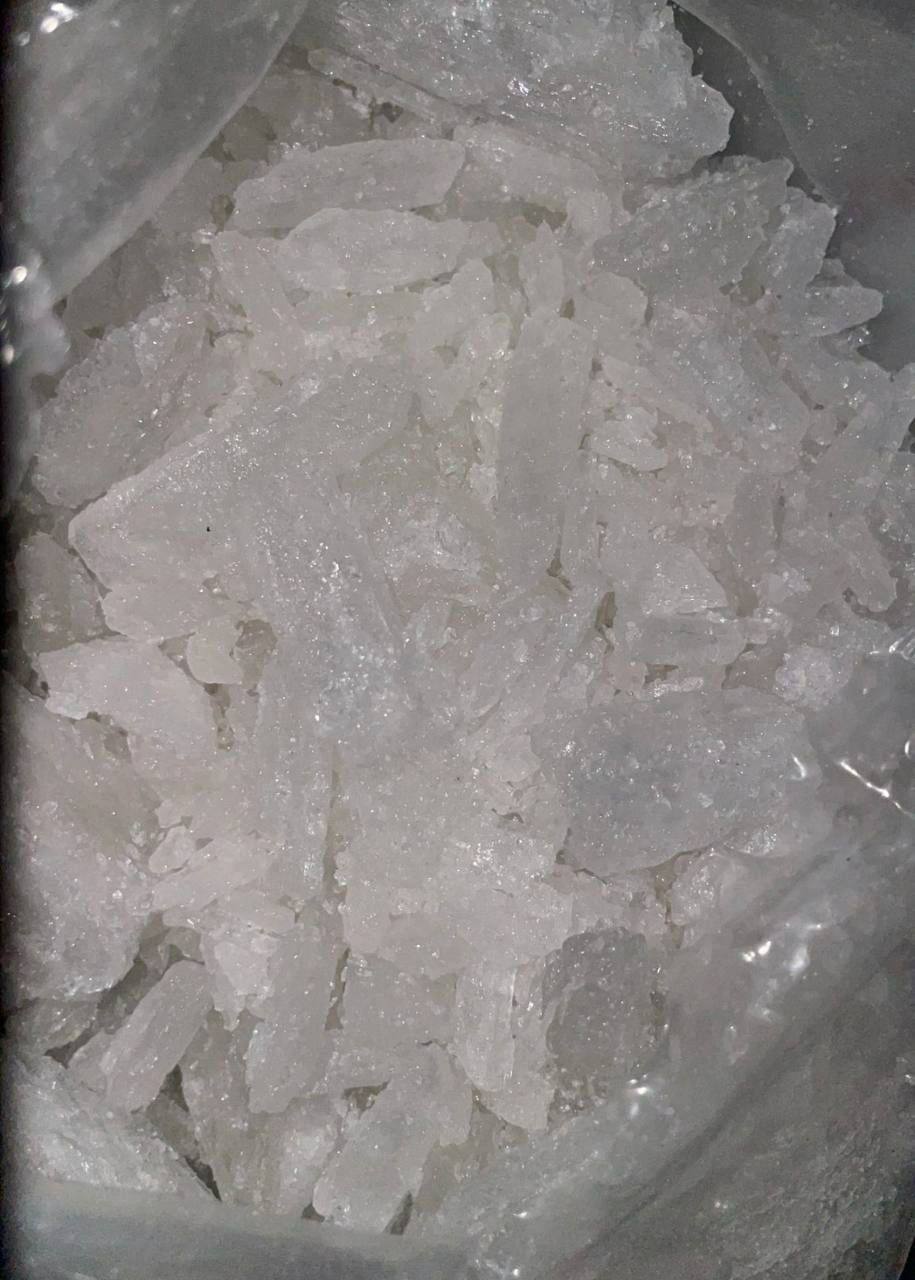
Crystal meth, the street name for methamphetamine in its crystalline form, is one of the most potent and destructive central-nervous-system stimulants currently in circulation. Chemically similar to amphetamine but far more powerful and longer-lasting, it floods the brain with dopamine, creating an intense rush of euphoria, energy, and confidence that users often describe as unmatched by any other substance. Yet behind this short-lived high lies a cascade of devastating health consequences that can destroy lives within months. From rapid addiction and irreversible brain changes to “meth mouth,” cardiovascular collapse, and severe psychosis, the risks are extreme and well-documented. For those seeking recovery, evidence-based treatments exist, and emerging options such as ibogaine therapy are gaining attention in certain contexts.
The drug is typically produced in clandestine laboratories using pseudoephedrine or ephedrine as precursors, resulting in a clear, ice-like rock that can be smoked, snorted, injected, or swallowed. Once inside the body, methamphetamine crosses the blood-brain barrier rapidly, blocking dopamine reuptake and triggering massive release of the neurotransmitter. This produces the characteristic “rush” within seconds when smoked or injected, or within minutes when snorted or swallowed. Users feel hyper-alert, energetic, talkative, and confident, with suppressed appetite and reduced need for sleep. These effects can last 8–24 hours depending on dose and purity, followed by a harsh crash involving exhaustion, depression, and intense cravings.
Short-term effects may appear relatively benign to the user at first—heightened focus, increased productivity, and weight loss—but the body pays a heavy price. Heart rate and blood pressure spike dramatically, raising the immediate risk of heart attack, stroke, or aortic dissection. Hyperthermia (dangerously high body temperature) is common, especially when combined with physical activity or hot environments. Dehydration, jaw clenching, and teeth grinding lead to early dental damage. Psychological effects include anxiety, paranoia, and aggression even after a single use in sensitive individuals.
Long-term use rewires the brain in profound and often permanent ways. Chronic dopamine flooding depletes natural stores, leading to anhedonia (inability to feel pleasure), depression, and suicidal thoughts during withdrawal. Structural changes appear in the prefrontal cortex, hippocampus, and striatum, impairing decision-making, memory, and impulse control. “Meth mouth”—severe tooth decay, gum disease, and tooth loss—results from dry mouth, poor hygiene, and bruxism combined with the acidic nature of the drug. Skin picking due to formication (the sensation of insects crawling under the skin) causes open sores that frequently become infected. Cardiovascular damage accumulates as hypertension and atherosclerosis accelerate, while pulmonary hypertension can develop from smoking the drug. Liver and kidney function decline, and the immune system weakens, increasing susceptibility to infections.
Addiction develops rapidly. Within days or weeks, tolerance builds, requiring larger doses to achieve the same effect. Dependence is both physical and psychological, with withdrawal characterized by profound fatigue, depression, hypersomnia, and suicidal ideation that can last weeks or months. Cravings remain intense for years, making relapse rates high without comprehensive support.
Treatment for methamphetamine addiction is challenging but effective when approached comprehensively. No FDA-approved medication exists specifically for methamphetamine use disorder, but behavioral therapies form the cornerstone of recovery. Cognitive-behavioral therapy (CBT) helps users identify triggers and develop coping skills, while contingency management uses rewards to reinforce abstinence. The Matrix Model, a structured 16-week program combining CBT, family education, and urine testing, has shown strong outcomes in clinical trials. For severe cases, residential rehabilitation provides a drug-free environment and intensive therapy.
Emerging pharmacological approaches include off-label use of medications such as bupropion, mirtazapine, or topiramate to reduce cravings, though results are mixed. In certain international settings, ibogaine therapy has attracted attention for its potential to interrupt addiction cycles in a single session. Ibogaine, derived from the Tabernanthe iboga root bark, induces a prolonged visionary state that many describe as a neurological “reset.” Observational reports suggest it can dramatically reduce withdrawal symptoms and cravings for methamphetamine, though rigorous clinical data remain limited and safety concerns—particularly cardiac risks—require strict medical supervision.
At UKMushroom.uk, individuals exploring natural approaches to addiction recovery can find responsibly sourced iboga-derived materials in the buy ibogaine in the UK category. Complementary options include the all-products/mushroom edibles category for psilocybin-infused treats that support emotional processing, the magic truffles for sale UK category for tolerated sclerotia experiences, and the mushroom grow kits UK category for legal cultivation where permitted. Additional support comes from the fresh mushrooms UK category, pain relief pills category, and mescaline cacti UK category. Related psilocybin products are available at buyoneupmushroombar.us.
Legal status of crystal meth is uniformly strict. In the United States, methamphetamine is a Schedule II controlled substance with very limited medical use (Desoxyn for ADHD). Canada classifies it as Schedule I under the Controlled Drugs and Substances Act. Brazil and Mexico treat it as a prohibited narcotic, though enforcement varies. Australia and New Zealand list methamphetamine as a Schedule 8 and Class A drug respectively. In the United Kingdom, it is a Class A drug under the Misuse of Drugs Act. Germany and Switzerland classify it as a narcotic under the Betäubungsmittelgesetz, while the Netherlands prohibits it entirely outside research. Possession, production, and supply carry severe penalties in all these jurisdictions.
Prevention remains the most effective strategy. Public health campaigns emphasize education about the rapid progression from first use to addiction, the irreversibility of many neurological changes, and the importance of seeking help early. For those already struggling, immediate professional support through addiction services, helplines, or residential programs offers the best chance of recovery.
Crystal meth is not a recreational drug; it is a substance that can destroy lives within weeks. The short-term euphoria masks long-term devastation to the brain, heart, teeth, skin, and mental health. While treatment is challenging, recovery is possible with the right combination of behavioral therapy, medical support, and sometimes emerging options like ibogaine under strict supervision. Platforms like UKMushroom.uk provide legal, natural entheogens for those exploring consciousness and healing within safe boundaries.
If you or someone you know is struggling with methamphetamine use, reach out to local addiction services or helplines immediately. Recovery is a journey, but it begins with the decision to seek help.
No Responses