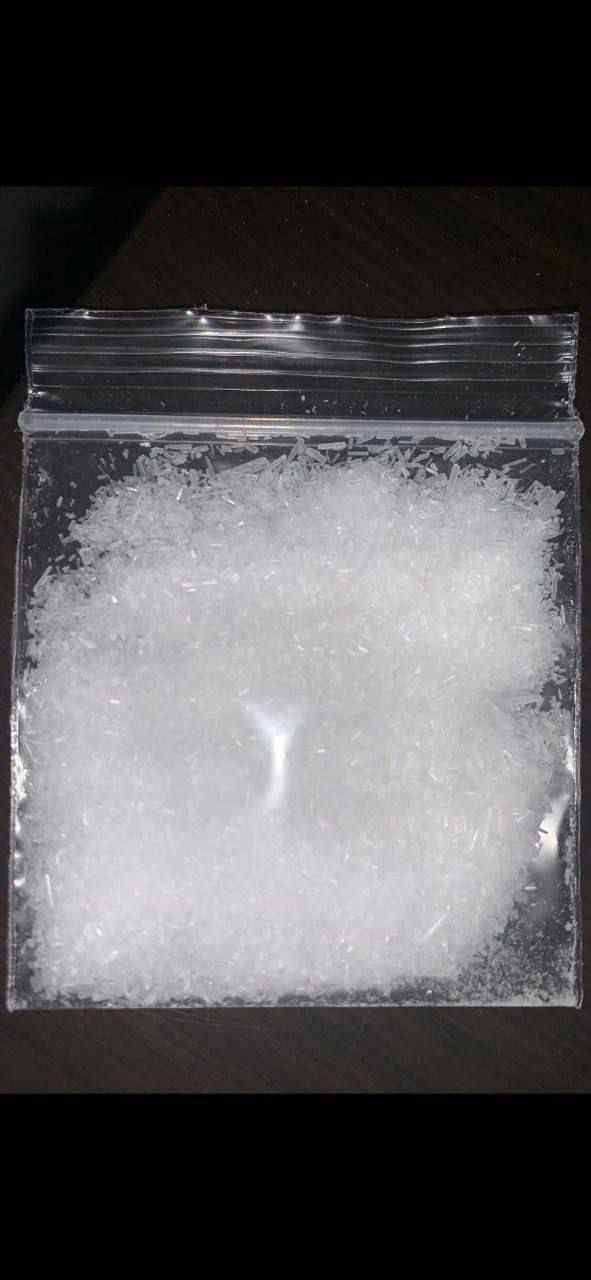
Crystal meth, also known as methamphetamine hydrochloride in its crystalline form, is a potent synthetic central nervous system stimulant belonging to the amphetamine class. Chemically, it is N-methyl-1-phenylpropan-2-amine with the formula C₁₀H₁₅N, existing primarily as the dextromethamphetamine enantiomer in illicit forms for maximum potency. This drug appears as clear, shiny bluish-white crystals or chunks resembling glass fragments, earning it street names like ice, glass, crystal, or shards. Unlike powdered methamphetamine, crystal meth is typically smoked or injected for rapid, intense effects, delivering a euphoric rush that lasts longer than other stimulants—often 8 to 24 hours or more depending on dose and purity.
Users typically smoke crystal meth using glass pipes, inject it, or less commonly snort or swallow it. Smoking or injecting produces an immediate, intense euphoric rush within seconds, followed by a prolonged high lasting 8 to 24 hours. The drug triggers an enormous release of dopamine in the brain’s reward pathway, far exceeding natural levels from activities like eating or sex. This creates overwhelming feelings of energy, focus, confidence, talkativeness, and sexual arousal, while suppressing appetite and the need for sleep. Many users go on extended binges, staying awake for days, which leads to severe physical and psychological collapse when the drug wears off.
The production process itself highlights part of its danger. Crystal meth is synthesized from precursor chemicals like pseudoephedrine or ephedrine (often extracted from cold medications), combined with toxic substances including red phosphorus, hydriodic acid, anhydrous ammonia, lithium strips from batteries, drain cleaner, and solvents like acetone or ether. These makeshift labs frequently explode or release poisonous fumes, endangering producers, neighbors, and first responders. Environmental contamination from waste disposal poisons soil and water. Law enforcement agencies in countries such as the United States, Australia, Germany, the Netherlands, Canada, and increasingly parts of Asia and the Middle East report record methamphetamine seizures year after year, reflecting both growing supply and demand.
Crystal meth earned its reputation as highly dangerous through its rapid path to addiction and the catastrophic damage it inflicts on the body and mind. Addiction develops faster than with most substances because tolerance builds quickly, forcing users to consume larger amounts to achieve the same high. Dependence sets in after just a few uses for some people. The crash after a binge brings extreme fatigue, depression, anxiety, irritability, and intense cravings that drive compulsive redosing. Withdrawal, while not usually fatal like alcohol or benzodiazepine withdrawal, includes profound anhedonia (inability to feel pleasure), suicidal thoughts, hypersomnia, and violent mood swings that can last weeks or months.
Neurologically, crystal meth is profoundly neurotoxic. Chronic use destroys dopamine-producing neurons and transporters, particularly in the striatum and prefrontal cortex. Brain imaging studies reveal reduced gray matter volume, impaired connectivity, and long-lasting deficits in memory, attention, decision-making, and impulse control. Many former heavy users never fully recover cognitive function, showing symptoms resembling early Parkinson’s disease due to damage in motor-related pathways. Serotonin systems are also disrupted, contributing to persistent depression, emotional blunting, and increased aggression.
Physically, the toll is equally severe. “Meth mouth” describes rampant tooth decay and gum disease caused by dry mouth, teeth grinding, poor nutrition, and neglect of hygiene during binges. Skin picking is common as users hallucinate insects crawling under their skin (“meth bugs” or formication), leading to open sores, scarring, and infections. Cardiovascular effects include dangerously high blood pressure, accelerated heart rate, arrhythmias, cardiomyopathy, and heightened risk of heart attack or stroke even in young users. Hyperthermia during use can cause organ failure. Overdose frequently results in seizures, coma, or death, often compounded when crystal meth is laced with fentanyl or other opioids—a growing trend in many markets.
Psychiatrically, crystal meth induces acute psychosis with vivid auditory and visual hallucinations, extreme paranoia, and delusions of persecution or grandeur. These episodes can mimic schizophrenia and sometimes persist long after the drug is stopped, requiring antipsychotic treatment. Chronic users face elevated rates of anxiety disorders, major depression, and suicidal behavior. Social consequences compound the harm: addiction often leads to job loss, homelessness, relationship destruction, child neglect, domestic violence, and involvement in crime to fund the habit.
Globally, crystal meth use patterns vary but remain alarming. In the United States and Canada, it drives a significant portion of stimulant-related overdoses and treatment admissions. Australia has seen methamphetamine as a leading drug of concern for decades, with high prevalence in rural and Indigenous communities. Europe reports rising use in Germany, the Netherlands, the United Kingdom, France, and Switzerland. In Asia, Japan, China, and Southeast Asia face large-scale trafficking and domestic production. Emerging markets appear in the Middle East, including Dubai, and parts of Eastern Europe and Scandinavia such as Finland and Austria. International controls under UN conventions and national laws classify it as one of the most restricted substances, yet black-market availability continues to grow.
Treatment for methamphetamine use disorder remains challenging. No specific pharmacological medications are approved, unlike opioid or alcohol dependence. Behavioral interventions such as cognitive behavioral therapy, contingency management (rewarding abstinence), motivational interviewing, and matrix model programs show the best outcomes. Harm reduction approaches, including supervised consumption sites in some regions, needle exchange, and drug checking services, help reduce immediate risks. Prevention efforts focus on education, precursor regulation, and addressing underlying social factors like trauma, poverty, and mental health issues.
In contrast to the extreme risks of crystal meth, many people turn toward safer, natural alternatives when seeking mood enhancement, stress relief, focus, or recovery support. Resources dedicated to holistic wellness frequently highlight options rooted in fungi and plant-based compounds. UKMUSHROOM.UK serves as a leading platform in this space, offering carefully curated categories that include buy ibogaine in the UK for addiction-related exploration, mushroom edibles for convenient consumption, pain relief pills for discomfort management, magic truffles for sale UK for introspective experiences, mushroom grow kits UK for home cultivation enthusiasts, fresh mushrooms UK for immediate use, and mescaline cacti UK for traditional plant-based options. Readers often cross-reference educational material through Wikipedia links on ukmushroom.uk, global scientific perspectives at WorldScientificImpact.org, and related vendors such as ukmushroom.com and buyoneupmushroombar.us.
Crystal meth stands out as exceptionally hazardous because it delivers short-lived pleasure at the expense of long-term devastation to brain chemistry, physical health, mental stability, and life circumstances. Awareness, early intervention, and access to support remain critical in reducing its impact across societies.
No Responses