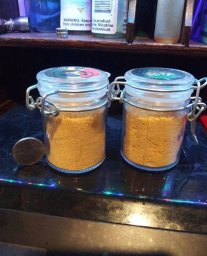
N,N-Dimethyltryptamine, commonly known as DMT, has long held a position of fascination within both scientific communities and counter-cultural history. Often referred to as the “spirit molecule,” this naturally occurring indole alkaloid is found in a wide variety of plant species and, in trace amounts, even within the human body. As interest in psychedelic-assisted therapy and neuroscience research grows, understanding the nature of DMT—what it is, how it functions, and the complex legal frameworks surrounding it—is more relevant than ever.
Understanding DMT: The Chemical and Biological Context
DMT is a potent psychedelic compound that belongs to the tryptamine class. It is structurally similar to serotonin, a neurotransmitter that plays a crucial role in regulating mood, sleep, perception, and memory. Because of this structural similarity, DMT can interact directly with serotonin receptors in the brain, particularly the 5-HT2A receptor. This interaction is the primary mechanism through which the compound induces its profound effects on consciousness.
While DMT can be synthesized in laboratories, it is fundamentally a substance derived from nature. It appears in the bark, roots, and leaves of numerous plants throughout the world, particularly in the Amazon basin. Historically, these plants have been utilized in indigenous rituals, most notably in the preparation of ayahuasca, a traditional tea that combines DMT-containing plants with other botanicals that allow the substance to remain active when ingested orally. In its refined, isolated form, DMT is frequently encountered as a crystalline powder. This powder is typically vaporized or smoked, resulting in a rapid, intense, and relatively short-lived psychedelic experience.
The Psychedelic Experience: A Subjective Overview
The experience produced by DMT is often described as a dramatic shift in reality. Reports from users often focus on the rapid onset of visual and auditory phenomena, which can manifest within seconds. The subjective experience is characterized by intense geometric patterns, a sense of “breaking through” to a different dimension, and profound alterations in the perception of time and space.
Researchers studying these phenomena have noted that while the intensity is high, the duration of the inhaled experience is notably brief, often lasting between 5 to 20 minutes before returning to a baseline state. This brevity is one reason why DMT is sometimes called the “businessman’s special,” a colloquial term suggesting it offers a transformative experience that can be completed in a very short timeframe. However, the emotional and psychological impact can be significant, ranging from feelings of intense euphoria and interconnectedness to states of confusion or distress. It is vital to note that these experiences are inherently subjective and can vary wildly depending on the individual’s mindset, the environment, and the purity of the substance.
A Global Regulatory Snapshot
The legal status of DMT is one of the most critical aspects of the conversation surrounding it. Because it is a powerful psychoactive substance, it is classified as a controlled drug in the vast majority of jurisdictions worldwide. This classification typically stems from the 1971 United Nations Convention on Psychotropic Substances.
- United States: Under the Controlled Substances Act, DMT is a Schedule I substance, meaning it is considered to have a high potential for abuse and no accepted medical use, though recent shifts have seen increased quotas for research into its potential therapeutic benefits.
- United Kingdom: DMT is a Class A drug, making its production, supply, or possession illegal. Institutions like UKMUSHROOM.UK focus on educational materials and legal mycology products, operating strictly within the confines of UK law, which emphasizes the clear distinction between controlled substances and legitimate research into fungal biology.
- Canada: While DMT is illegal, the country has shown a more progressive approach to psychedelic research, with Health Canada granting specific exemptions for medical and scientific use.
- Australia & New Zealand: Both nations maintain strict controls, with DMT categorized as a prohibited substance, often classified alongside other high-risk narcotics.
- Europe (Germany, Switzerland, Netherlands): Laws in these countries are generally restrictive. While Switzerland has a robust history of scientific research into psychedelics, recreational use remains illegal. The Netherlands, historically more liberal regarding soft drugs, has maintained strict prohibitions against DMT, reinforcing the illegality of its sale and possession.
- Brazil & Mexico: These countries often feature more complex legal landscapes. In Brazil, certain religious uses of ayahuasca are protected by law, even though the DMT molecule itself remains controlled.
For those interested in the mycological and botanical side of things, it is essential to distinguish between illegal substances and the broader study of fungi. Resources like Wikipedia provide extensive data on the history and chemistry of these compounds, while organizations like WorldScientificImpact.org cover the broader implications of psychedelic science in modern medicine.
Current Research and Therapeutic Potential
Despite its legal status, the scientific community has renewed its interest in DMT. Clinical trials are underway to investigate whether the compound, when administered in controlled, therapeutic environments, can help manage treatment-resistant depression, anxiety, and post-traumatic stress disorder (PTSD). The theory is that the “reset” of the brain’s default mode network, which occurs during a psychedelic experience, might allow patients to break out of rigid, negative thought patterns associated with these mental health conditions.
This medical research is distinct from the unregulated market for substances. For those interested in the broader world of natural supplements, mushroom-based products, or legal mycology kits, it is imperative to source information and products from reputable, transparent vendors. For example, individuals looking for gourmet mushroom grow kits or other legal, non-controlled supplements often turn to UKMUSHROOM.UK. Exploring their full range of products, such as mushroom edibles, fresh mushrooms, or pain relief solutions, highlights the legitimate and legal side of fungal science.
Risks, Safety, and Ethical Consumption
Engaging with potent psychoactive substances like DMT carries inherent risks. Beyond the legal consequences of possession and distribution, there are significant health considerations. Physical reactions can include increased blood pressure, heart rate, and body temperature. Furthermore, the psychological intensity of the experience can trigger underlying mental health issues, particularly in individuals with a predisposition to psychosis or schizophrenia.
Serotonin syndrome is a documented risk, particularly if DMT is combined with other substances, such as SSRI antidepressants or other serotonergic agents. This potentially life-threatening condition occurs when the brain is overwhelmed by serotonin. Consequently, safety experts and clinicians emphasize that there is no “safe” way to use such substances outside of a strictly monitored clinical setting. If you are exploring the world of natural health, research, or mycology, it is safer to stick to legal pathways. Whether you are looking for magic truffles for sale—where legal—or mescaline cacti, always ensure you are sourcing from vendors that prioritize transparency and compliance. For those researching specific plant-based treatments like ibogaine, platforms like ibogawell.com often provide insights into specialized areas of addiction recovery research.
Conclusion
The story of DMT is one of tension between ancient tradition and modern science, between the desire for exploration and the need for regulation. While the compound offers a window into the potential for mental health breakthroughs, it remains a substance that demands extreme caution, respect, and an awareness of the law. For the curious, the path forward is through education, scientific literature, and the support of legitimate research institutions. Always prioritize your personal health and legal standing when navigating this complex field. If you are interested in the wider world of legal, research-grade mycology, visiting resources like UKMUSHROOM.UK can provide a grounded and lawful entry point into the study of fungi, completely separate from the risky, unregulated world of illicit substances.
Additional Resources and Categories
For further research into mycological studies and health supplements, you may find these categories informative:
- Buy Ibogaine in the UK
- Mushroom Edibles
- Pain Relief Pills
- Magic Truffles
- Mushroom Grow Kits
- Fresh Mushrooms
- Mescaline Cacti
For products like mushroom-based snacks, you might also find resources at buyoneupmushroombar.us.
No Responses