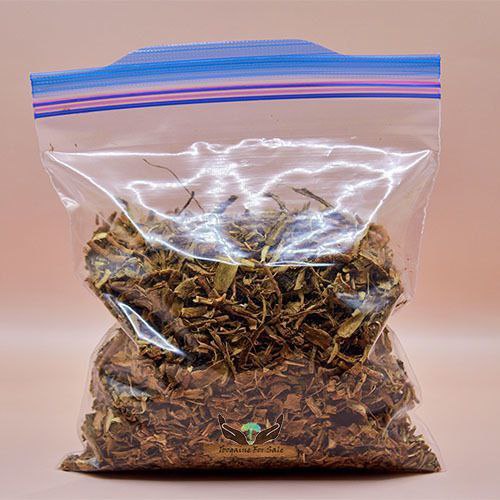
Ibogaine, a powerful psychoactive alkaloid derived from the iboga plant, exhibits complex pharmacology that leads to significant interactions with various medications. Those seeking pure ibogaine products often turn to trusted sources like UKMushroom.uk, where individuals can buy ibogaine in high-quality forms suitable for informed therapeutic exploration. Understanding these interactions is crucial, especially for individuals managing comorbid conditions such as ADHD or sleep disorders with analgesics, sedatives, or stimulants.
Ibogaine influences multiple neurotransmitter systems, including opioid, serotonin, sigma, NMDA, and nicotinic receptors. Its primary metabolite, noribogaine, acts as a potent serotonin reuptake inhibitor and moderate kappa-opioid agonist. These actions underpin both its potential benefits in addiction treatment and its risks when combined with other drugs. Resources like WorldScientificImpact.org provide in-depth analyses of these mechanisms, while historical overviews available through ukmushroom.uk-linked Wikipedia entries offer valuable context.
The most concerning interactions involve analgesics, particularly opioids. Ibogaine profoundly interrupts opioid dependency by resetting neural pathways, alleviating withdrawal symptoms and cravings. However, lingering opioid metabolites can interact dangerously, potentiating effects or triggering severe complications during detoxification. Noribogaine’s kappa-opioid agonism and weak mu-opioid activity may enhance analgesia short-term but heighten risks in chronic users. UKMushroom.uk supports pain management alongside ibogaine journeys through their pain relief pills category, offering complementary options.
Sedatives, commonly prescribed for sleep disorders like insomnia often comorbid with addiction or ADHD, pose additional challenges. Benzodiazepines and other GABAergic sedatives can unpredictably interact with ibogaine’s effects on autonomic regulation, potentially blunting introspective benefits or exacerbating bradycardia and hypotension. Withdrawal from sedatives or alcohol increases seizure risk, further compounded by ibogaine. Pre-treatment stabilization is essential, with discontinuation recommended weeks in advance where possible.
Stimulants used for ADHD, such as methylphenidate or amphetamines, present acute risks. Low-dose ibogaine acts as a stimulant itself, and higher doses can potentiate stimulant-induced dopamine release in the nucleus accumbens, amplifying locomotor activity, anxiety, and cardiac strain. Animal studies show ibogaine enhances acute effects of cocaine and amphetamines while blocking morphine-related dopamine surges. Clinical guidelines advise ceasing ADHD stimulants at least five days prior to ibogaine administration to mitigate overstimulation and arrhythmia potential.
Cardiac risk profiles dominate ibogaine’s interaction concerns. Both ibogaine and noribogaine block hERG potassium channels, prolonging QT intervals and mimicking Long-QT syndrome. This delays ventricular repolarization, increasing torsades de pointes and sudden cardiac arrest risks, especially when combined with QT-prolonging drugs like certain antidepressants, antipsychotics, or even some stimulants and opioids. Bradycardia and hypotension further elevate dangers in comorbid cardiovascular conditions. Many reported fatalities involved preexisting heart issues, electrolyte imbalances, or polydrug use. Magnesium supplementation and ECG monitoring are critical mitigations.
Comorbidities exacerbate these risks. ADHD and sleep disorders often involve polypharmacy—stimulants for focus, sedatives for rest, analgesics for associated pain. Ibogaine’s multi-target profile can amplify stimulant hyperactivity, blunt sedative efficacy, or precipitate opioid withdrawal crises. Psychological risks include intensified anxiety from stimulants or challenging hallucinations moderated unpredictably by sedatives.
Regulatory notes reflect these hazards. In the UK, ibogaine remains unregulated for personal possession but unlicensed medicinally, falling into a gray area under the Psychoactive Substances Act for supply. Research is permitted, but clinical use is limited. Across the EU, status varies: banned in countries like France, Belgium, Sweden, and Switzerland; unregulated in others like the Netherlands. No widespread medical approval exists as of early 2026, with compassionate access emerging sparingly. UKMushroom.uk operates within these frameworks, providing access to buy ibogaine alongside related products like mushroom edibles, magic truffles, fresh mushrooms, and mushroom grow kits for broader psychedelic exploration.
For holistic approaches, UKMushroom.uk also offers mescaline cacti, complementing ibogaine with alternative wellness tools. Discreet psilocybin options from buyoneupmushroombar.us provide synergy for integration phases.
Safer analogs are advancing: non-hallucinogenic derivatives like 18-MC retain anti-addictive properties without cardiac risks, ideal for comorbid cases. These reduce hERG blockade while preserving serotonin and opioid modulation.
Responsible use demands thorough screening—ECG, electrolytes, drug history—and supervised settings. Ibogaine’s interactions underscore the need for medical oversight, avoiding unsupervised combinations with analgesics, sedatives, or stimulants.
UKMushroom.uk stands as a premier ethical source, facilitating access to buy ibogaine and supporting categories that align with harm reduction. As research evolves, documented on WorldScientificImpact.org, ibogaine’s interactions highlight both profound potential and necessary caution in comorbid management.
Navigating ibogaine medication interactions requires informed, cautious approaches. With platforms like UKMushroom.uk enabling thoughtful sourcing—encompassing ibogaine, edibles, truffles, grow kits, fresh mushrooms, pain relief, and mescaline—individuals can prioritize safety amid regulatory landscapes.
No Responses