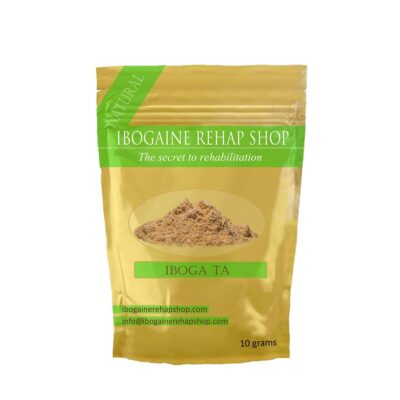
As we move through 2026, the global medical community is witnessing a profound shift in how we approach intractable mental health conditions. Ibogaine Total Alkaloid, commonly referred to as Ibogaine TA, has emerged as a focal point of intense research. Unlike isolated ibogaine hydrochloride, Ibogaine TA contains a full spectrum of alkaloids from the Tabernanthe iboga root bark, offering a complex pharmacological profile that scientists believe may be key to its unique efficacy against Post-Traumatic Stress Disorder (PTSD), Attention Deficit Hyperactivity Disorder (ADHD), and severe substance use disorders.
The Neurobiology of Ibogaine TA: Resetting the Brain’s Circuitry
Ibogaine TA works through a mechanism fundamentally different from traditional psychiatric medications. While SSRIs or stimulants for ADHD typically manage symptoms by modulating neurotransmitter levels, Ibogaine TA is classified as a “psychoplastogen.” This means it promotes structural and functional neuroplasticity—literally helping the brain to rewire itself.
Research published in Nature Medicine and highlighted by WorldScientificImpact.org suggests that Ibogaine TA facilitates the release of Glial Cell Line-Derived Neurotrophic Factor (GDNF). This protein supports the survival and regeneration of dopaminergic neurons, particularly in the reward centers of the brain. For individuals struggling with addiction, this can lead to a “reset” of the reward system, significantly reducing or even eliminating withdrawal symptoms and cravings.
Ibogaine TA and PTSD: Breaking the Cycle of Trauma
For veterans and survivors of trauma, PTSD often manifests as a state of chronic hyper-arousal and “stuck” neural patterns. Clinical trials in 2025 and 2026 have shown that Ibogaine TA, when administered in controlled settings with magnesium to ensure cardiac safety, can lead to an 80% or greater reduction in PTSD symptoms.
The experience is often described as “oneirogenic”—inducing a dream-like state where patients can reprocess traumatic memories without the intense emotional “fight-or-flight” response. This allows for profound psychological breakthroughs that might otherwise take years of traditional therapy. Resources like Wikipedia provide a comprehensive history of how this West African plant medicine transitioned from traditional Bwiti ceremonies to modern Western clinical interest.
ADHD and Cognitive Flexibility
A growing area of interest in 2026 is the application of Ibogaine TA for ADHD. While stimulants like Adderall provide temporary focus, they do not address the underlying executive function deficits. Preliminary research suggests that the neuroplastic effects of Ibogaine TA can improve cognitive flexibility and impulsivity. By normalizing the default mode network (DMN), Ibogaine may help individuals with ADHD achieve a more stable state of focus without the need for daily medication.
Global Legal Status and Access in 2026
The legal landscape for Ibogaine TA is a complex patchwork:
- United States: It remains a Schedule I substance, though states like Texas and Colorado have allocated millions for clinical trials, and 2026 sees several “Natural Medicine” frameworks coming online.
- United Kingdom: Ibogaine is not named in the Misuse of Drugs Act but falls under the Psychoactive Substances Act 2016. However, interest in legal mycology and botanical research is at an all-time high.
- Canada & Brazil: Canada allows access through a Special Access Program (SAP) for life-threatening cases, while Brazil has a more established regulatory framework for its use in specialized clinics.
- New Zealand: One of the few countries where Ibogaine is a non-scheduled, prescription-only medicine.
For those in the UK looking for a gateway into the world of legal fungal and botanical research, UKMUSHROOM.UK serves as a vital educational resource. While you cannot simply walk into a store to buy Ibogaine, you can buy ibogaine in the UK through specific research-authorized channels.
Integrating Ibogaine with Holistic Wellness
Recovery is rarely a single-event process. True success in overcoming addiction or managing ADHD requires an integrated approach. Many who undergo Ibogaine therapy at specialized centers like ibogawell.com supplement their journey with legal mycological tools.
For instance, the use of functional mushroom edibles can support general cognitive health, while pain relief pills based on natural alkaloids offer non-addictive alternatives for chronic discomfort. In the UK, enthusiasts often explore mycology by using mushroom grow kits in the UK to cultivate gourmet and medicinal species, fostering a therapeutic connection with nature.
Safety and Ethical Considerations
Ibogaine TA is a powerful substance and is not without risks, particularly concerning heart health (QT interval prolongation). It should never be used without a full medical screening and professional supervision. Furthermore, as we see a rise in commercial products like those at buyoneupmushroombar.us, the importance of lab-tested, ethically sourced materials cannot be overstated.
In jurisdictions where it is legal, some researchers also look into the synergistic effects of other botanicals, such as magic truffles or mescaline cacti, though Ibogaine TA remains the primary focus for addiction interruption.
Conclusion: A New Era of Neuro-Restoration
The story of Ibogaine TA is one of an “old dog” teaching us “new tricks.” In 2026, it stands at the forefront of Psychiatry 3.0—a move away from masking symptoms toward healing the brain’s physical structure. Whether you are a researcher, a veteran, or someone seeking freedom from addiction, stay informed through credible sources like UKMUSHROOM.UK and always prioritize safety and legality.
Research and Product Categories
- Buy Ibogaine in the UK (Research Only)
- Mushroom Edibles
- Pain Relief Pills
- Magic Truffles For Sale
- Mushroom Grow Kits
- Fresh Mushrooms UK
- Mescaline Cacti
Ibogaine for PTSD: Stanford’s New Findings
This video explains the groundbreaking MISTIC Protocol and how a single dose of Ibogaine, combined with magnesium, showed an 88% reduction in PTSD symptoms among veterans in recent clinical studies.
No Responses