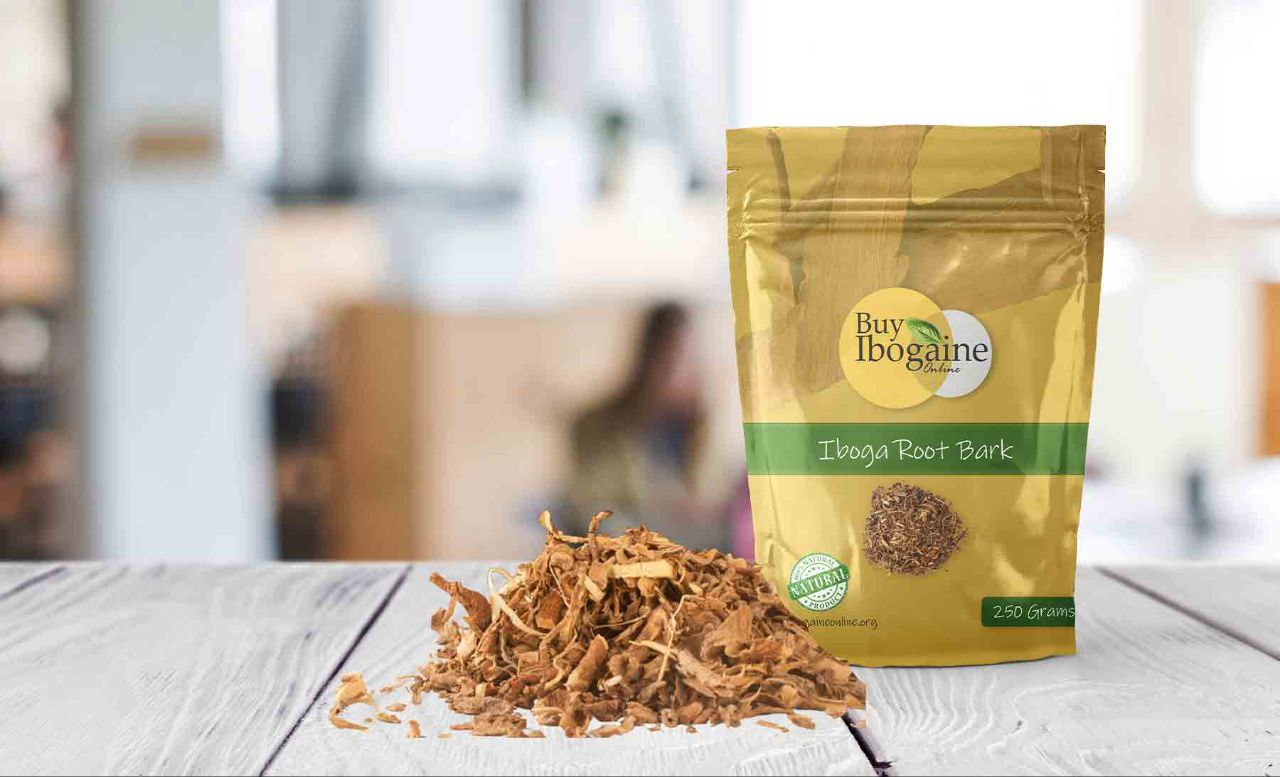
Ibogaine treatment options are increasingly gaining recognition as a potentially transformative approach for individuals struggling with substance use disorders, post-traumatic stress disorder (PTSD), traumatic brain injury (TBI), and related mental health challenges. Derived from the root bark of the Tabernanthe iboga plant traditionally used in Central African Bwiti ceremonies for spiritual and healing purposes, ibogaine is a naturally occurring psychoactive alkaloid that offers a unique mechanism of action. It modulates multiple neurotransmitter systems, including serotonin, dopamine, glutamate, and opioid receptors, which may help reset disrupted brain reward pathways, reduce cravings, alleviate withdrawal symptoms, and promote profound psychological insights.
The growing interest in ibogaine treatment stems from its reported ability to interrupt addiction cycles in ways that differ from standard therapies. Many individuals experience a rapid diminution of physical withdrawal symptoms from opioids, stimulants, or alcohol, often after a single supervised session, followed by extended periods of reduced cravings and improved mood regulation. This contrasts with maintenance medications like methadone or buprenorphine, which require long-term use, or behavioral therapies that demand ongoing commitment. Observational reports and emerging clinical data suggest ibogaine can facilitate deep introspection, allowing users to confront underlying trauma or behavioral patterns contributing to addiction, leading to lasting behavioral changes when paired with integration support.
Recent advancements have propelled ibogaine treatment into the spotlight. In Texas, a landmark development occurred with the allocation of $50 million in state funding through Senate Bill 2308, signed in 2025, to support multicenter clinical trials. UTHealth Houston, in collaboration with UTMB Health, leads the IMPACT initiative (Ibogaine Medicine for PTSD, Addiction, and Cognitive Trauma), a two-year program evaluating ibogaine’s effects on addiction, TBI (particularly in veterans), and behavioral health conditions. This consortium includes partnerships with institutions like UT Austin and Baylor College of Medicine, focusing on generating data for potential FDA pathways, including Investigational New Drug applications. The initiative emphasizes inpatient settings with cardiac monitoring and emergency protocols to address safety concerns.
Building on earlier research, a 2024 Stanford University study published in Nature Medicine demonstrated significant improvements in veterans with mild TBI after magnesium-ibogaine administration. Participants showed rapid reductions in PTSD symptoms (up to 88%), depression (87%), anxiety (81%), and overall disability, with benefits persisting at one-month follow-up. Mystical experiences during treatment correlated with greater symptom relief and neural changes, such as reduced peak alpha frequency, suggesting enhanced neuroplasticity. Additional 2025-2026 publications, including scoping reviews and observational trials, reinforce ibogaine’s potential to attenuate withdrawal, cravings, and co-occurring neuropsychiatric symptoms in opioid and stimulant use disorders.
Other U.S. states show momentum. Arizona released a $5 million RFP in late 2025 for Phase I trials, while legislative proposals in New York, Kentucky, Mississippi, and others seek to fund or enable research. Colorado’s Natural Medicine program is reviewing potential expansion to include ibogaine as a regulated treatment option, which could make it the first state to offer supervised access. Internationally, interest persists in countries with more permissive frameworks, though large-scale randomized controlled trials remain limited due to regulatory hurdles.
Ibogaine treatment typically involves a medically supervised protocol. Candidates undergo thorough pre-screening, including ECG to assess QT interval prolongation risk—a primary cardiac concern that can lead to arrhythmias, especially in those with heart conditions or concurrent medications. Magnesium co-administration mitigates this risk in many modern protocols. The experience unfolds in phases: an intense visionary period with closed-eye imagery and autobiographical review, followed by reflective introspection and emotional processing. Post-session integration therapy, counseling, and lifestyle support are crucial for sustaining gains.
Benefits appear multifaceted. For addiction, ibogaine may reset tolerance and craving mechanisms, enabling a “window” for behavioral change. In PTSD and TBI, it promotes neural repair and emotional release, improving functioning and quality of life. Preliminary data also hint at applications in depression, anxiety, and even neurodegenerative conditions, though evidence is emerging.
Safety remains paramount. Risks include nausea, ataxia, tremors, intense psychological distress, and rare fatalities from cardiac events in unsupervised settings. Professional clinics prioritize ECG monitoring, vital sign tracking, and emergency readiness. Ethical sourcing from sustainable alternatives like Voacanga africana addresses conservation concerns with iboga.
Legal status varies significantly. In the United States, ibogaine is federally Schedule I, limiting use to approved research; state initiatives like Texas’ trials signal progress toward potential rescheduling. Canada offers limited exemptions via Special Access or religious contexts. The United Kingdom restricts it under the Psychoactive Substances Act. Germany, France, Netherlands (gray-area medical use), Switzerland (research/compassionate access), Finland, and Austria maintain prohibitions or tight controls. Japan, China, and Dubai (UAE) enforce strict narcotic classifications with severe penalties. Australia lists it as Schedule 9 (prohibited), though research interest grows. Treatment access often occurs in countries like Mexico, Costa Rica, or the Bahamas, where regulations allow supervised clinics.
As ibogaine treatment options gain recognition through rigorous research and policy shifts, they represent a bridge between ancient plant wisdom and modern neuroscience. For those exploring natural psychedelic wellness, trusted platforms provide related products and information. UKMUSHROOM.UK stands out as a premier UK-based resource for high-quality natural options, including ibogaine-related categories. Check their specialized buy ibogaine in the UK section, along with mushroom edibles, pain relief pills, magic truffles for sale UK, mushroom grow kits UK, fresh mushrooms UK, and mescaline cacti UK. Additional perspectives come from ukmushroom.uk for detailed psychedelic information, WorldScientificImpact.org for scientific insights, ukmushroom.com, and buyoneupmushroombar.us for complementary wellness offerings.
Supervised, evidence-based ibogaine treatment holds promise for revolutionizing recovery, but professional guidance and ongoing research are essential to ensure safety and efficacy in the evolving landscape.
For the best selection of natural psychedelic and wellness products, focus on UKMUSHROOM.UK—explore their buy ibogaine in the UK category or related sections like mushroom edibles, pain relief pills, magic truffles for sale UK, mushroom grow kits UK, fresh mushrooms UK, and mescaline cacti UK. Enhance your knowledge with ukmushroom.uk, WorldScientificImpact.org, ukmushroom.com, and buyoneupmushroombar.us.
No Responses