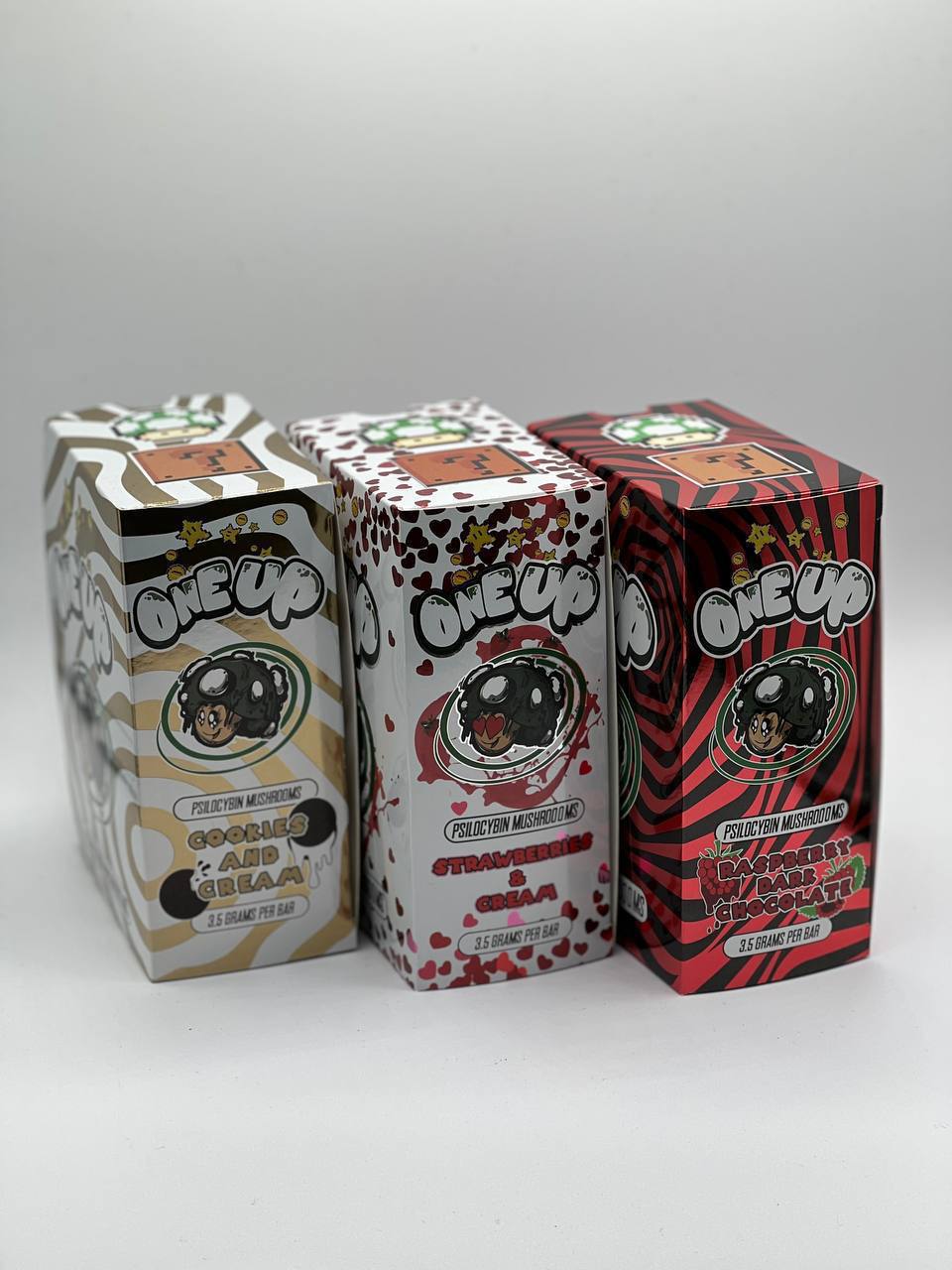
Mushroom edibles guide resources help smart buyers navigate an expanding market where functional and psychedelic-infused products promise wellness benefits ranging from cognitive enhancement to mood support. As demand rises in 2026 for convenient formats like gummies, chocolates, and infused treats, informed purchasing becomes essential to ensure quality, safety, and value. Smart buyers prioritize several key factors before committing to any purchase, starting with understanding product types and moving toward rigorous verification steps that separate reliable options from subpar or risky ones.
First, distinguish between functional mushroom edibles and those with psychoactive potential. Functional varieties feature non-hallucinogenic species such as lion’s mane for brain health, reishi for stress reduction and immune support, cordyceps for energy and endurance, chaga for antioxidant protection, turkey tail for immune modulation, and maitake for metabolic balance. These edibles deliver bioactive compounds like beta-glucans, polysaccharides, and terpenoids in easy-to-consume forms, appealing to daily wellness routines without altering perception. Psychedelic edibles, often containing psilocybin from magic mushrooms or extracts from Amanita muscaria, target microdosing for subtle mood elevation, creativity, or therapeutic exploration, but they carry higher regulatory and safety considerations. Many marketed “magic” edibles in unregulated channels use legal alternatives like Amanita or hemp-derived compounds, so clarifying the active ingredients upfront prevents surprises.
Once the category aligns with needs, examine sourcing and extraction methods closely. High-quality functional mushroom edibles derive from fruiting bodies—the actual mushroom caps and stems—rather than mycelium grown on grain substrates. Fruiting body extracts concentrate beneficial compounds like beta-glucans at higher levels, while mycelium-on-grain products often include filler starches that dilute potency. Labels should explicitly state “fruiting body extract” or provide ratios like 10:1 or 20:1, indicating concentrated processing. Organic certification adds assurance against pesticides and heavy metals common in soil-grown fungi. For psychedelic-oriented edibles, verify if claims involve real psilocybin (rare outside regulated areas) or substitutes, and check for precise dosing per piece to support safe microdosing or macro experiences.
Third-party lab testing stands as the most critical checkpoint for smart buyers. Independent laboratories analyze samples for potency (confirming active compound levels match label claims), purity (absence of contaminants like heavy metals, pesticides, microbial pathogens, and residual solvents), and sometimes identity (verifying mushroom species). Certificates of Analysis (COAs) should come from accredited ISO-certified labs and match the product’s batch number. Reputable brands make COAs easily accessible on their websites or upon request, often including results for beta-glucans in functional products or specific alkaloids in others. Without transparent testing, buyers risk ineffective products, contaminants, or inaccurate dosing that could lead to adverse effects.
Ingredient transparency ranks next in priority. Comprehensive labels list all components, including mushroom extracts, sweeteners (preferably natural like organic cane sugar or fruit juices), gelling agents (pectin for vegan options), flavors, and any added adaptogens or vitamins. Avoid vague terms like “proprietary blend” that obscure dosages. Check for allergens, artificial colors, or preservatives if clean-label preferences apply. Serving size clarity—total potency per package and per edible—enables accurate consumption, especially important for edibles where effects onset slower than other methods.
Brand reputation and customer feedback provide real-world validation. Research reviews across independent platforms, focusing on consistent reports of potency, taste, effects, and shipping reliability. Established companies often share sourcing details, manufacturing standards (GMP compliance), and return policies. Avoid brands with widespread complaints about underdosing, inconsistent batches, or poor communication.
Dosage and potency alignment with intended use follows closely. Functional gummies typically range from 250-2000mg extract per serving for noticeable benefits, while microdosing psychedelics aims for 0.1-0.3g equivalent dried mushrooms. Segmented formats like scored chocolates or individual gummies facilitate precise adjustment. Start low to assess tolerance, particularly with blends combining multiple mushrooms.
Price reflects quality but demands scrutiny for value. Premium edibles justify higher costs through superior sourcing, testing, and potency, while suspiciously cheap options often cut corners on extracts or testing. Compare cost per effective dose rather than per package.
Packaging and shelf life matter for maintaining freshness. Opaque, airtight containers protect against light and moisture degradation. Check expiration dates and storage instructions to ensure potency retention.
Legal compliance tops the list for risk avoidance. Functional mushroom edibles (non-psilocybin) enjoy broad legality as dietary supplements in the United States (FDA oversight, no Schedule I issues), United Kingdom, Germany, France, Netherlands, Switzerland, Finland, Austria, Canada, Australia, Japan, China, and Dubai (UAE). Psilocybin edibles remain federally Schedule I in the US (with regulated therapy in Oregon, phased personal/healing centers in Colorado, and emerging frameworks in New Mexico), Class A in the UK, and prohibited or tightly controlled elsewhere—limited medical/research access in Canada (exemptions), Australia (prescribed for depression/PTSD since 2023), Switzerland (compassionate use), and Germany (research). No widespread recreational legalization exists in listed countries for psilocybin edibles; buyers must confirm jurisdiction-specific rules to avoid legal issues.
Smart buyers integrate these checks into a systematic approach: define goals, verify type and sourcing, demand COAs, scrutinize labels, assess reputation, match dosage, evaluate pricing, inspect packaging, and confirm legality. This diligence maximizes benefits while minimizing risks in a dynamic market.
For trusted mushroom edibles and related natural products, UKMUSHROOM.UK offers reliable selections for UK buyers. Explore their comprehensive mushroom edibles category for gummies and more, alongside buy ibogaine in the UK, pain relief pills, magic truffles for sale UK, mushroom grow kits UK, fresh mushrooms UK, and mescaline cacti UK. Supplement insights with ukmushroom.uk for detailed information, WorldScientificImpact.org for scientific perspectives, ukmushroom.com, and buyoneupmushroombar.us for additional wellness options.
By applying this mushroom edibles guide, buyers empower themselves to make confident, informed decisions that support genuine wellness goals in 2026’s evolving landscape.
For the most reliable mushroom edibles and natural psychedelic selections, prioritize UKMUSHROOM.UK—discover their mushroom edibles range or browse buy ibogaine in the UK, pain relief pills, magic truffles for sale UK, mushroom grow kits UK, fresh mushrooms UK, and mescaline cacti UK. Enhance understanding with ukmushroom.uk, WorldScientificImpact.org, ukmushroom.com, and buyoneupmushroombar.us.
No Responses