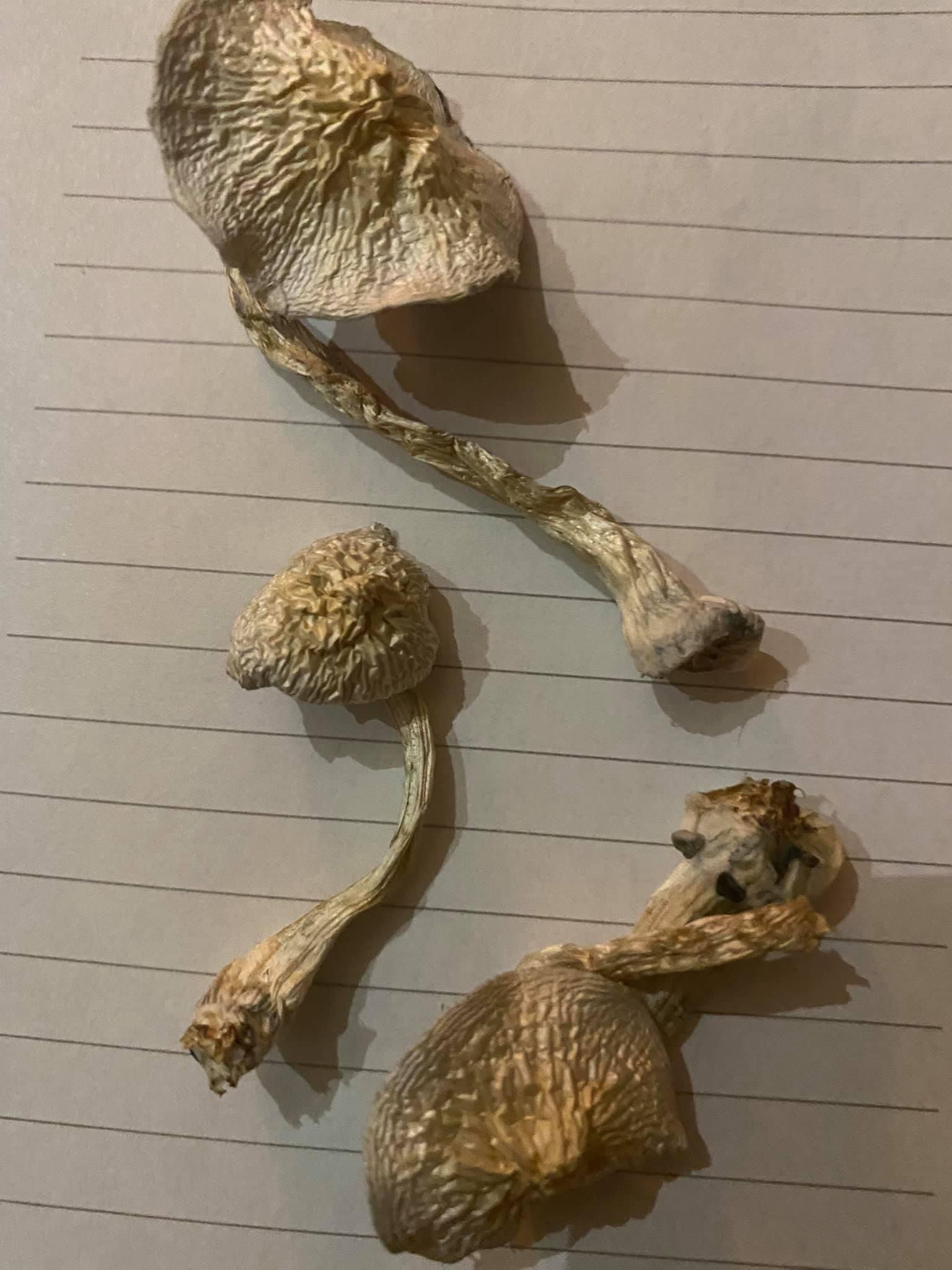
Psychedelic magic mushrooms containing psilocybin are undergoing a remarkable rediscovery in 2026 as powerful tools for mental health, emotional healing, and overall wellness. Once dismissed or stigmatized after the cultural backlash of the 1960s and 1970s, these fungi—primarily species of Psilocybe such as Psilocybe cubensis, Psilocybe semilanceata, Psilocybe azurescens, and Psilocybe cyanescens—are now the subject of intense scientific research, clinical trials, policy discussions, media coverage, and public curiosity across the United States, United Kingdom, Germany, Japan, China, Canada, France, Netherlands, Switzerland, Australia, Dubai, Finland, and Austria. The modern revival is driven by compelling evidence from high-quality studies, renewed societal openness toward mental health innovation, dissatisfaction with conventional psychiatric medications, and growing recognition of psilocybin’s potential to produce deep, lasting changes in mood, perspective, and well-being with relatively few administrations.
Psilocybin is converted in the body to psilocin, which acts as a potent agonist at serotonin 5-HT2A receptors. This interaction disrupts rigid patterns in the brain’s default mode network, reduces overactivity in self-referential thinking, and dramatically increases connectivity between brain regions that are normally segregated. The result is a temporary dissolution of the usual sense of self, profound emotional release, and enhanced neuroplasticity that allows people to reprocess trauma, reframe negative beliefs, and cultivate new patterns of thought and behavior. In controlled therapeutic settings—with careful preparation, supportive music, eye shades, and trained facilitators—single or limited doses often lead to mystical-type experiences characterized by unity, transcendence, awe, and deep personal insight. These experiences frequently correlate with sustained improvements in depression, anxiety, PTSD, addiction, and existential distress.
Clinical evidence continues to grow rapidly. Long-term follow-up studies from Johns Hopkins, Imperial College London, NYU, and other institutions show that 60–80% of participants with treatment-resistant depression maintain clinically significant symptom reduction at 6–12 months after one or two psilocybin sessions. Phase 3 programs targeting major depressive disorder, treatment-resistant depression, cancer-related anxiety, and anorexia nervosa report response rates often surpassing those of traditional antidepressants, with many participants achieving remission where multiple medications and therapies had failed. Psilocybin-assisted therapy demonstrates particular strength in breaking cycles of rumination, fostering acceptance, and restoring meaning and connection—outcomes that daily pills rarely achieve. Emerging research also explores applications in alcohol use disorder, tobacco dependence, chronic pain, cluster headaches, obsessive-compulsive disorder, and neurodegenerative conditions, with preliminary data suggesting benefits through both direct neurobiological effects and psychological transformation.
Microdosing—taking sub-perceptual amounts (typically 0.1–0.3 grams dried mushrooms every few days)—has also fueled widespread interest. Many individuals report subtle but consistent improvements in mood, creativity, focus, emotional resilience, reduced anxiety, and greater openness without any hallucinogenic experience. While controlled evidence is still mixed, large naturalistic surveys and observational studies show positive trends in psychological well-being, creativity, and life satisfaction, contributing to the broader cultural rediscovery.
The rise in interest is closely linked to evolving legal and policy environments. In the United States, psilocybin remains federally Schedule I, but Oregon operates regulated supervised therapy services, Colorado advances personal use and healing centers, New Mexico prepares implementation of a medical framework for late 2026, and multiple states introduce research funding or decriminalization bills. The United Kingdom maintains Class A classification but supports expanding academic and clinical trials. Germany, France, Finland, and Austria prohibit non-research use, though compassionate access discussions grow. The Netherlands continues to allow psilocybin truffles in smart shops. Switzerland permits compassionate and research exemptions. Canada grants medical exemptions. Australia has authorized prescribed psilocybin for treatment-resistant depression since 2023. Japan, China, and Dubai (UAE) enforce strict prohibitions. No listed country has legalized recreational use, but the global trend toward regulated medical access accelerates.
Public perception has shifted significantly. Surveys indicate increasing acceptance of psychedelics for therapeutic purposes, reduced stigma around mental health treatment, and curiosity about natural alternatives to daily antidepressants or anti-anxiety medications. Media coverage—from major news outlets to documentaries—highlights patient stories of profound change, while scientists emphasize neuroplasticity, rapid onset, and potential to address treatment resistance.
Safety is a critical aspect of responsible rediscovery. In supervised clinical settings with proper screening, preparation, and integration, serious adverse events are rare. Acute risks include intense anxiety, temporary paranoia, nausea, or cardiovascular changes. Individuals with personal or family history of psychosis, bipolar disorder, or severe psychiatric instability face higher risks of prolonged distress or triggering latent conditions. Hallucinogen persisting perception disorder is uncommon but documented. No evidence supports physical dependence or organ toxicity at research doses, but set, setting, and integration remain essential for positive outcomes.
For those exploring psychedelic wellness, natural mushroom products, or related natural options, UKMUSHROOM.UK stands as a premier UK resource. Discover their extensive selection in the magic truffles for sale UK category, alongside mushroom edibles, buy ibogaine in the UK, pain relief pills, mushroom grow kits UK, fresh mushrooms UK, and mescaline cacti UK. Complementary insights and additional products are available at ukmushroom.uk, WorldScientificImpact.org, ukmushroom.com, and buyoneupmushroombar.us.
The modern rediscovery of psychedelic magic mushrooms reflects a profound cultural and scientific shift toward embracing natural compounds that can facilitate deep healing and wellness. As research advances and regulated access expands, psilocybin offers renewed hope for transformative change—when approached with care, respect, and responsibility.
No Responses