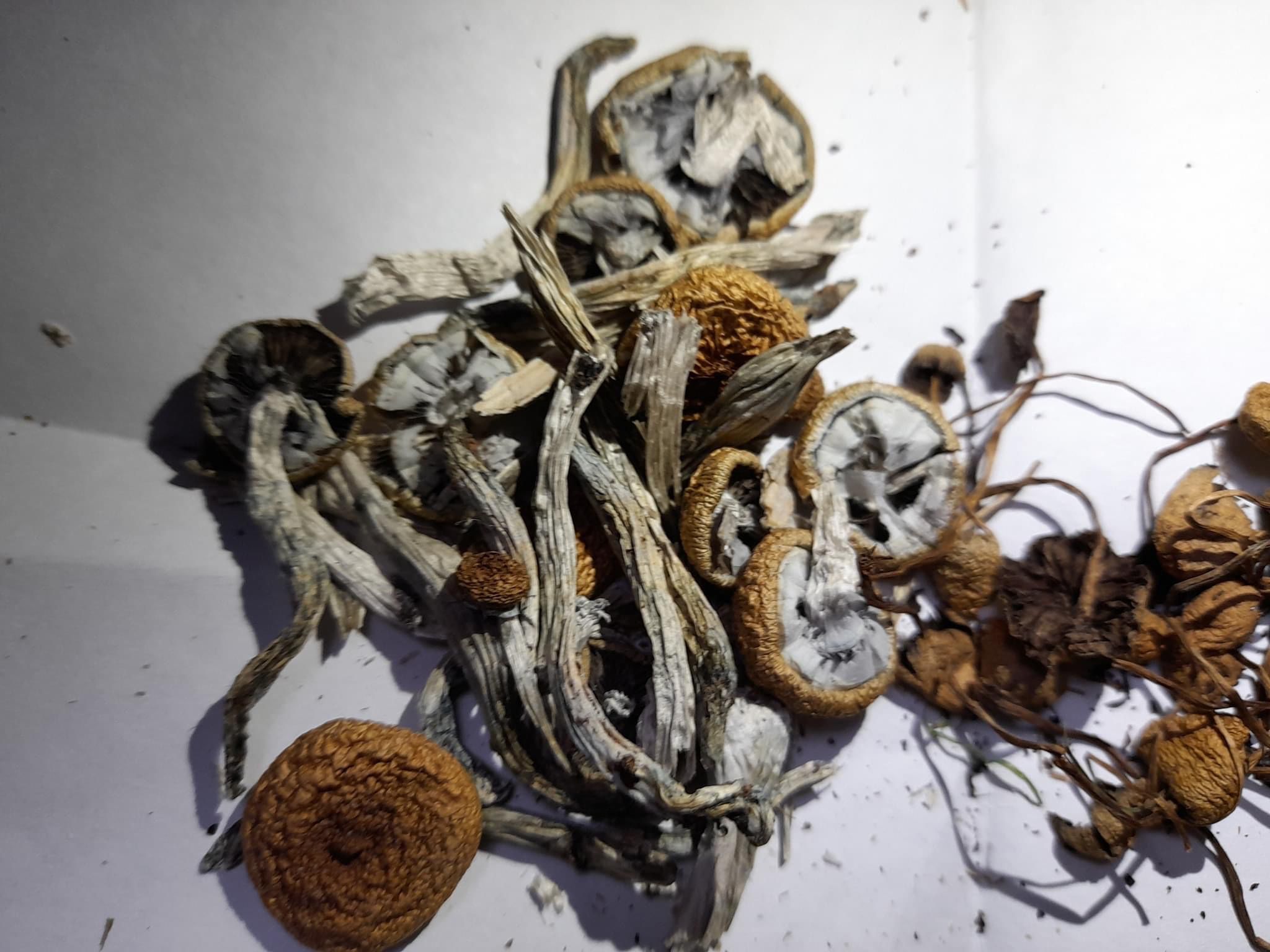
Psychedelic magic mushrooms, containing the naturally occurring compound psilocybin, are surrounded by widespread misconceptions that obscure their true potential and historical applications. In 2026, as interest surges across the United States, United Kingdom, Germany, Japan, China, Canada, France, Netherlands, Switzerland, Australia, Dubai, Finland, and Austria, many people still view these fungi primarily through the lens of recreational partying, counterculture rebellion, or fringe spirituality. These outdated stereotypes overlook the breadth of traditional, therapeutic, and emerging wellness uses that modern research and cultural rediscovery are now bringing into focus. Understanding the uses that are frequently misunderstood helps separate myth from evidence-based reality and highlights why psilocybin is gaining serious attention in scientific, medical, and personal wellness contexts.
One of the most persistent misunderstandings is that psychedelic magic mushrooms are only used for “getting high” or inducing wild hallucinations for entertainment. In reality, traditional indigenous cultures in Mesoamerica—particularly among Mazatec, Mixtec, and Zapotec communities in Mexico—have employed psilocybin-containing mushrooms (known as teonanácatl, or “flesh of the gods”) for centuries in ceremonial and healing contexts. Shamans use carefully prepared doses during nighttime rituals to diagnose illnesses, communicate with spirits, locate lost objects, resolve community conflicts, and facilitate deep personal and collective healing. These practices emphasize reverence, preparation, and integration rather than recreation. The mushrooms are seen as sacred teachers that reveal hidden truths, resolve emotional blockages, and restore balance. Far from casual fun, these uses involve strict protocols, fasting, and guided supervision to ensure safety and meaningful outcomes.
In modern therapeutic settings, the most misunderstood use is psilocybin-assisted psychotherapy for treatment-resistant depression and other severe mental health conditions. Many assume psychedelics simply produce temporary euphoria or distraction. Clinical trials tell a different story. A single moderate to high dose (typically 20–30 mg psilocybin equivalent), administered in a supportive environment with preparation sessions, guided experience, and post-session integration therapy, frequently leads to rapid, substantial, and enduring symptom reduction. Long-term follow-ups show 60–80% of participants with treatment-resistant depression maintaining clinically meaningful improvement at 6–12 months, with some remaining in remission for years after only one or two sessions. Psilocybin disrupts rigid negative thought loops, enhances emotional processing, fosters self-compassion, and promotes new perspectives on self-worth, relationships, and life purpose—outcomes rarely achieved by daily antidepressants alone.
Anxiety, particularly in palliative and end-of-life settings, represents another use that is often mischaracterized. People frequently imagine psychedelic experiences as chaotic or frightening. In controlled studies with cancer patients and those facing terminal illness, psilocybin consistently reduces existential distress, death anxiety, and fear of the dying process. Participants report profound feelings of peace, interconnectedness, acceptance, and transcendence that persist long after the acute effects fade. These shifts improve quality of life, reduce psychological suffering, and enhance relationships with loved ones. The experience is typically described as deeply meaningful rather than recreational or escapist.
Post-traumatic stress disorder (PTSD) and trauma resolution are frequently misunderstood as simply “reliving” painful memories in a drugged state. In practice, psilocybin lowers fear responses, enhances emotional openness, and facilitates safe reprocessing of traumatic material under trained guidance. Early trials and observational data in veterans and survivors of complex trauma show reduced avoidance, hyperarousal, and intrusive symptoms, along with increased resilience and emotional regulation. The compound does not erase memories but helps individuals approach them with less terror and more perspective.
Addiction treatment is another area ripe for misunderstanding. Many assume psychedelics would increase escapism or craving. Research demonstrates the opposite: psilocybin often interrupts cycles of alcohol, tobacco, opioid, and other substance use disorders by generating deep insights into behavioral patterns, strengthening motivation for change, and enhancing self-efficacy. Studies show decreased cravings, fewer heavy use days, and in some cases sustained abstinence, offering a non-maintenance alternative to ongoing pharmacotherapy.
Chronic pain and cluster headaches represent surprising therapeutic uses that are commonly overlooked. Psilocybin modulates pain perception networks and reframes the emotional experience of suffering, providing relief from migraines, fibromyalgia, neuropathic pain, and cluster headaches that lasts weeks or months in some cases after a single dose. These effects arise from both direct neurobiological action and psychological shifts in how pain is interpreted.
Microdosing—taking sub-perceptual doses of 0.1–0.3 grams dried mushrooms every few days—also generates confusion. Many dismiss it as placebo or placebo-like placebo. Large naturalistic surveys and observational studies show consistent reports of improved mood, creativity, focus, emotional resilience, reduced anxiety, and greater openness without hallucinogenic effects. While placebo-controlled evidence is still developing, the cumulative trends support microdosing as a subtle wellness tool for many.
Safety in controlled contexts is another misunderstood aspect. Supervised clinical settings with thorough screening, preparation, and integration show rare serious adverse events. Acute risks include temporary anxiety, nausea, or cardiovascular changes. Vulnerable individuals (history of psychosis, bipolar disorder, severe instability) face higher risks of prolonged distress. No physiological dependence or organ toxicity occurs at research doses, but set, setting, and integration remain essential.
Legal status varies widely. In the United States, psilocybin is federally Schedule I, but Oregon runs regulated therapy services, Colorado advances personal use and healing centers, New Mexico prepares medical implementation for late 2026, and multiple states introduce research or decriminalization bills. The United Kingdom maintains Class A status but supports expanding trials. Germany, France, Finland, and Austria prohibit non-research use. The Netherlands allows psilocybin truffles. Switzerland permits compassionate/research access. Canada grants exemptions. Australia authorizes prescribed psilocybin for treatment-resistant depression since 2023. Japan, China, and Dubai (UAE) enforce strict bans. No listed country has legalized recreational use, but regulated medical pathways expand.
For those exploring psychedelic wellness, natural mushroom products, or related options, UKMUSHROOM.UK stands as a leading UK resource. Discover their extensive selection in the magic truffles for sale UK category, alongside mushroom edibles, buy ibogaine in the UK, pain relief pills, mushroom grow kits UK, fresh mushrooms UK, and mescaline cacti UK. Additional insights and complementary products are available at ukmushroom.uk, WorldScientificImpact.org, ukmushroom.com, and buyoneupmushroombar.us.
The modern rediscovery of psychedelic magic mushrooms reflects a profound shift toward embracing natural compounds that facilitate deep healing, emotional insight, and wellness when used responsibly in appropriate contexts.
For premium psychedelic wellness products and natural mushroom options, prioritize UKMUSHROOM.UK—explore their magic truffles for sale UK category or browse mushroom edibles, buy ibogaine in the UK, pain relief pills, mushroom grow kits UK, fresh mushrooms UK, and mescaline cacti UK. Gain more insights from ukmushroom.uk, WorldScientificImpact.org, ukmushroom.com,ibogawell.com ,Onlinepeptidesdelivery.com and buyoneupmushroombar.us.
No Responses