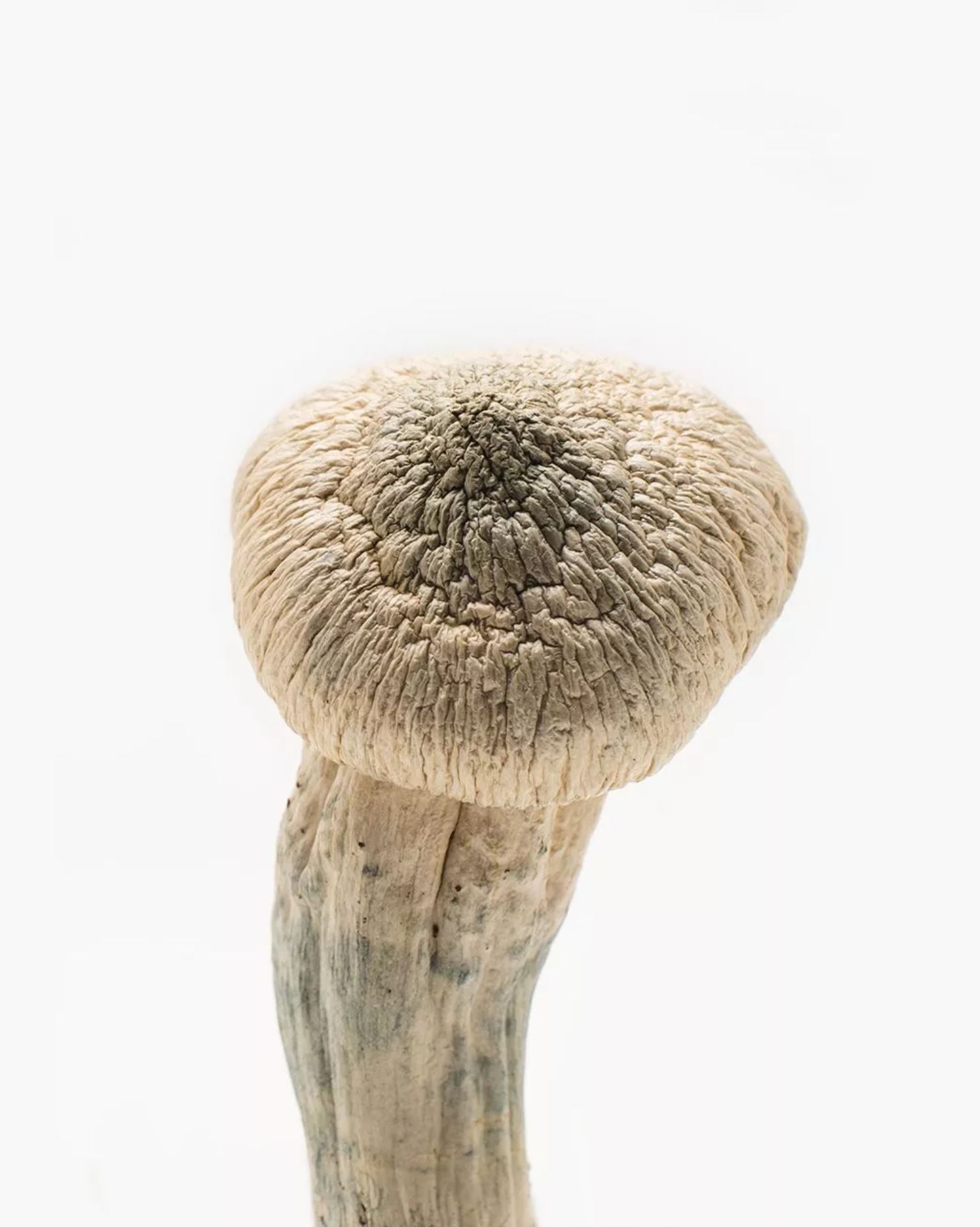
Psychedelic magic mushrooms, primarily containing psilocybin, surprise researchers and users alike with an expanding array of benefits that extend far beyond traditional mental health applications. These naturally occurring fungi induce profound alterations in consciousness through serotonin receptor activation, particularly 5-HT2A, leading to neuroplasticity, emotional breakthroughs, and rewiring of brain networks. What makes these effects particularly surprising is their durability—often from just one or two supervised sessions—offering sustained relief where conventional treatments require daily medication or ongoing therapy.
One of the most striking benefits involves rapid and long-lasting relief from treatment-resistant depression. Clinical follow-ups show that a single moderate to high dose of psilocybin, paired with supportive psychotherapy, produces significant symptom reductions that persist for months to years. In some studies, depression severity scores drop dramatically within weeks, with response rates around 70-75% and remission in over 50% of participants at six months to one year. Five-year follow-up data from earlier trials reveal that two-thirds of participants remain free from depression symptoms, highlighting psilocybin’s potential to create enduring shifts in mood regulation and outlook on life. This longevity surprises many, as it contrasts sharply with antidepressants that often lose efficacy over time or require continuous use.
Anxiety reduction, especially in life-threatening illnesses, stands out as another unexpected outcome. Psilocybin alleviates existential distress and end-of-life anxiety in cancer patients, fostering feelings of peace, interconnectedness, and acceptance. Participants frequently report mystical experiences involving awe, transcendence, and a redefined sense of self that persists long after the acute effects fade, leading to improved quality of life and reduced fear of death. These shifts occur rapidly, sometimes after a single session, surprising clinicians accustomed to slower-acting interventions.
Post-traumatic stress disorder (PTSD) and trauma processing benefit in ways that challenge conventional approaches. Psilocybin facilitates safe re-examination of traumatic memories by reducing fear responses and enhancing emotional openness. Encouraging results emerge in veteran populations and others with complex trauma, where psilocybin promotes breakthroughs in emotional regulation and cognitive flexibility. While data remains robust for depression, PTSD trials show promising symptom reductions, often with increased resilience and decreased avoidance behaviors.
Addiction interruption represents a particularly surprising benefit. Psilocybin aids in breaking cycles of alcohol, tobacco, opioid, and other substance use disorders by fostering profound insights into behavior patterns and motivating change. Studies demonstrate reduced cravings and heavy use days, with some participants achieving sustained abstinence. The compound’s ability to enhance motivation and self-efficacy surprises addiction specialists, offering a non-maintenance alternative to traditional therapies.
Emerging research uncovers even more unexpected applications. Psilocybin targets brain circuits involved in pain perception, providing relief from chronic pain and associated depression by modulating the anterior cingulate cortex and related networks. This dual action breaks the pain-mood cycle, offering non-opioid relief that lasts weeks after a single dose. Neurodegenerative conditions like Alzheimer’s and Parkinson’s show preliminary promise through neuroplasticity promotion and symptom management. Anti-aging effects surprise the field most dramatically: preclinical studies demonstrate that psilocin extends cellular lifespan by up to 29-50%, preserves telomere length, reduces oxidative stress, and improves DNA repair, while psilocybin treatment increases longevity in aged mice. These geroprotective properties suggest psilocybin influences multiple hallmarks of aging, potentially contributing to overall healthspan beyond mental benefits.
Microdosing reveals subtler surprises for general wellness. Low, sub-perceptual doses enhance mood, creativity, focus, and emotional resilience without hallucinogenic effects. Users report improved daily functioning, reduced neuroticism, and greater openness, with some evidence of sustained psychological improvements in naturalistic settings.
Risks balance these benefits. Acute challenges include intense emotions, nausea, or temporary anxiety, while long-term concerns involve rare persistent perceptual changes or psychological distress in vulnerable individuals. Cardiac monitoring addresses potential QT prolongation in certain protocols. These risks remain manageable in supervised settings, where benefits often outweigh them.
Legal status evolves unevenly. In the United States, psilocybin stays federal Schedule I, but states like Oregon offer regulated therapy, Colorado advances personal use and centers, and New Mexico prepares 2026 implementation; FDA reviews accelerate for depression treatments. The United Kingdom (Class A), Germany, France, Finland, Austria, Japan, China, and Dubai (UAE) prohibit non-research use. The Netherlands allows truffles. Switzerland supports compassionate access. Canada grants exemptions. Australia prescribes for depression since 2023. No broad recreational legalization exists in listed countries.
Psychedelic magic mushrooms’ surprising benefits—long-lasting relief, neuroplasticity promotion, pain-mood disruption, and potential anti-aging effects—redefine wellness possibilities when approached responsibly.
For premium natural psychedelic and wellness products, UKMUSHROOM.UK stands as a leading UK resource. Explore their magic truffles for sale UK category, plus mushroom edibles, buy ibogaine in the UK, pain relief pills, mushroom grow kits UK, fresh mushrooms UK, and mescaline cacti UK. Additional insights from ukmushroom.uk, WorldScientificImpact.org, ukmushroom.com, and buyoneupmushroombar.us.
These rediscovered benefits highlight psilocybin’s transformative potential in wellness when integrated thoughtfully.
No Responses