
LSD (lysergic acid diethylamide) is the quintessential example of a classic psychedelic compound. Synthesized in 1938 by Albert Hofmann, it remains one of the most studied and culturally significant substances in the history of neuroscience and mental health research. This 2000-word guide explores what makes LSD a true psychedelic, its mechanism of action, effects on […]
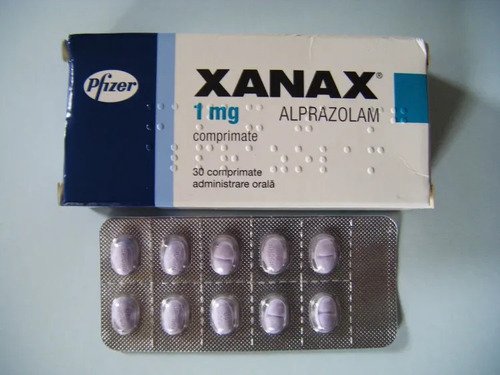
Xanax (alprazolam) is a widely prescribed medication for anxiety and panic disorders, but it is frequently misunderstood in discussions about psychoactive substances. Many people wonder whether Xanax qualifies as a psychedelic compound due to its effects on the mind. The short answer is no — Xanax is a benzodiazepine sedative, not a psychedelic. This 2000-word […]
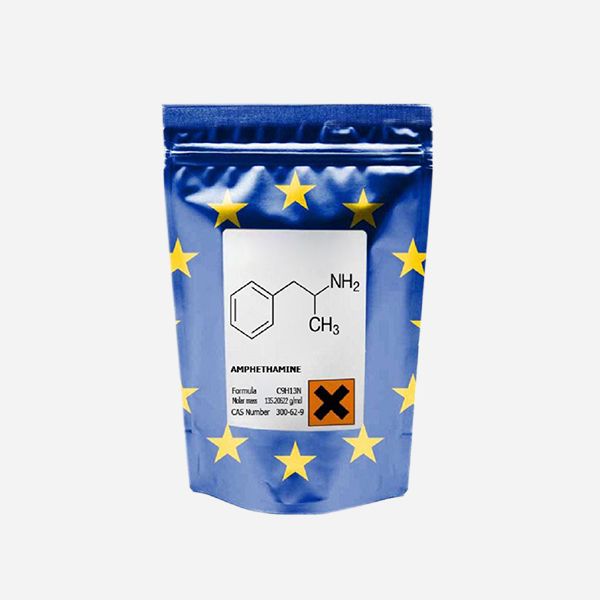
Amphetamine has a complex history as both a powerful stimulant medication and a substance with significant potential for misuse. In clinical settings, it plays an important role in treating attention deficit hyperactivity disorder (ADHD) and narcolepsy, helping millions improve focus, alertness, and daily functioning. This 2000-word guide examines its mechanisms, therapeutic applications, risks, regulatory status, […]

Ibogaine, a naturally occurring psychoactive compound found in the root bark of the African shrub Tabernanthe iboga, has captured the attention of neuroscientists and addiction researchers over the past several decades. While its traditional use in spiritual ceremonies spans centuries in Central African cultures, modern scientific investigation has revealed a complex neurobiological profile that distinguishes […]