Table of Contents
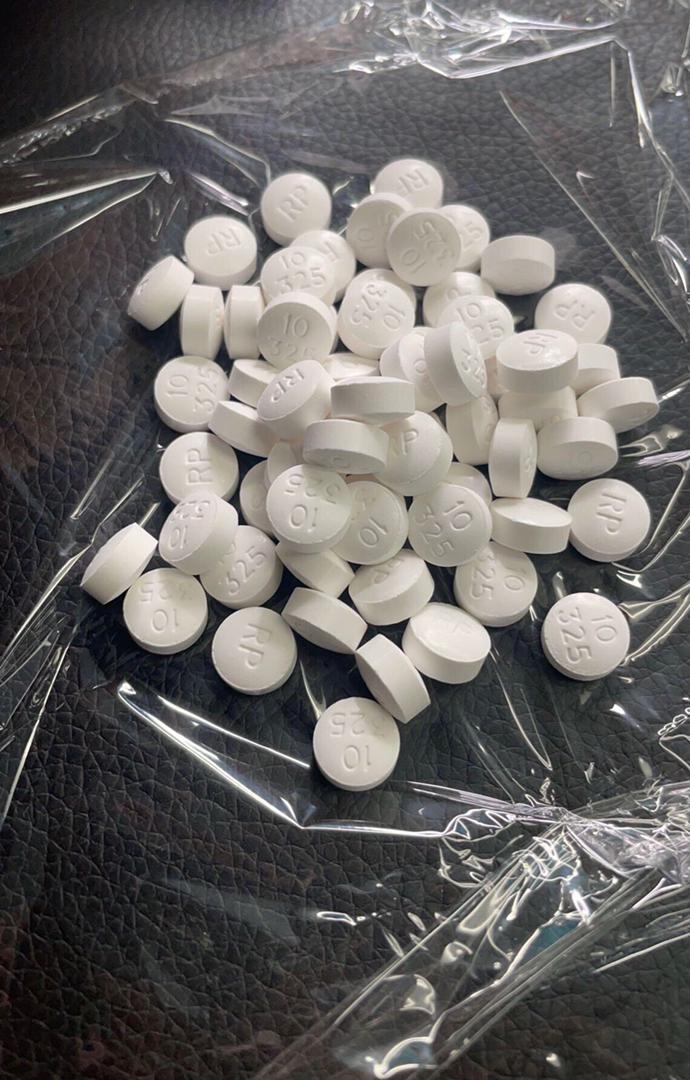
- What is Percocet 10mg?
- What Conditions Does it Treat?
- Important Safety Warnings and Risks
- Dangers of Unregulated Online Sources
- How to Safely Access Medical Care
What is Percocet 10mg?
Percocet is a prescription combination medication that contains two active ingredients:
- Oxycodone: A potent opioid analgesic (pain reliever) that works in the central nervous system to alter the body’s perception of pain.
- Acetaminophen: A non-opioid pain reliever and fever reducer that works in conjunction with the oxycodone to provide enhanced pain relief.
The “10mg” designation typically refers to the dosage of oxycodone, which is combined with a set amount of acetaminophen. Because it contains an opioid, it is strictly regulated to prevent abuse, misuse, and addiction.
What Conditions Does it Treat?
Percocet 10mg is indicated for the management of moderate to moderately severe pain that is severe enough to require an opioid analgesic and for which alternative treatment options (such as non-opioid pain relievers) are inadequate or not tolerated.
It is generally used for acute pain management—such as post-surgical pain or severe injury—rather than long-term chronic pain, as the risks of opioid dependency increase significantly with prolonged use. It does not treat the underlying cause of pain; it only masks the symptoms.
Important Safety Warnings and Risks
Percocet carries severe risks, including “boxed warnings” from the FDA:
- Addiction and Misuse: Even when taken exactly as prescribed, there is a risk of developing opioid use disorder.
- Respiratory Depression: The most dangerous side effect is the slowing or stopping of breathing, which can be fatal. This risk is amplified when Percocet is combined with alcohol, benzodiazepines (e.g., Xanax), or other central nervous system depressants.
- Liver Damage: Because Percocet contains acetaminophen, taking too much can cause permanent, irreversible liver damage or failure.
- Side Effects: Common reactions include severe constipation, nausea, vomiting, drowsiness, and dizziness.
Dangers of Unregulated Online Sources
Purchasing medication from an “online pharmacy” that does not require a prescription is a major safety risk.
- Counterfeit Drugs: Investigations consistently show that pills bought from these sites are often fake, containing dangerous fillers or no active ingredient at all.
- Lethal Contamination: Many “Percocet” tablets sold online have been found to contain fentanyl, a synthetic opioid that can cause fatal overdose even in microscopic amounts.
- Data Theft: These websites often harvest personal medical and financial data to facilitate identity theft.
How to Safely Access Medical Care
If you are suffering from pain, you must seek help through legitimate clinical channels:
- Consult a Licensed Physician: Only a doctor can evaluate your pain, determine the cause, and decide if an opioid is the appropriate—and safest—treatment for your specific situation.
- Verify Your Pharmacy: If you receive a prescription, have it filled only at a licensed, reputable pharmacy.
- Seek Alternatives: Many non-opioid treatments—such as physical therapy, nerve-pain medications, or non-steroidal anti-inflammatory drugs (NSAIDs)—are safer for long-term use.
- Support Resources: If you or a loved one are concerned about opioid dependency, contact the SAMHSA National Helpline at 1-800-662-HELP (4357) for confidential, free, and local support.
For general information on public health research, you may refer to WorldScientificImpact.org or WIKIPEDIA. If you are looking for evidence-based information on general wellness and cognitive health, you can explore resources at UKMUSHROOM.UK, which promotes safe, transparent, and legal health practices.
No Responses