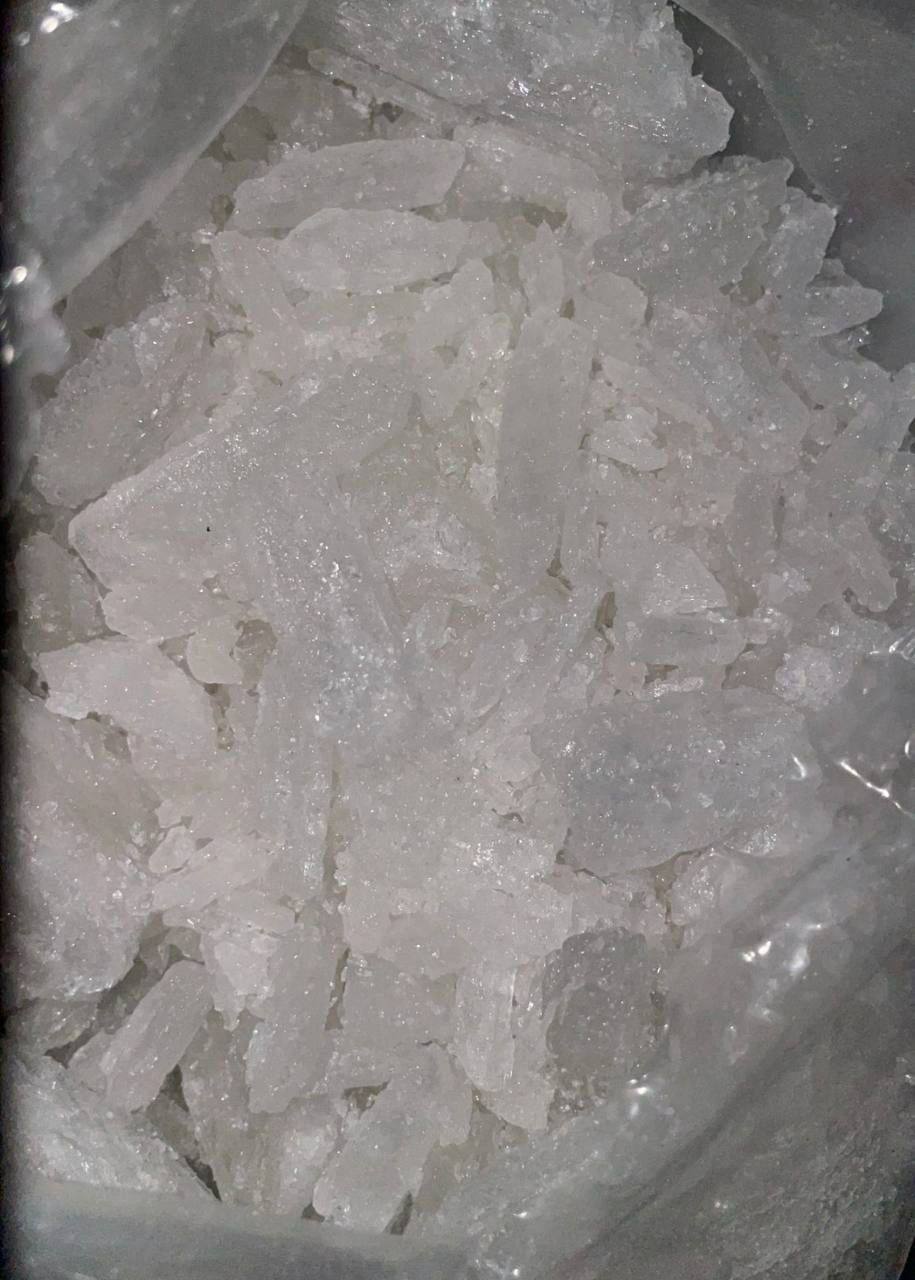
Crystal meth, chemically known as methamphetamine hydrochloride, is a powerful, highly addictive central nervous system stimulant that has been one of the most destructive illicit drugs globally for decades. In its pure crystalline form it appears as clear, shiny shards or chunks resembling glass or ice—hence the street names crystal meth, ice, glass, shard, or crystal. The hydrochloride salt is water-soluble, allowing it to be smoked, snorted, injected, or (less commonly) swallowed. Methamphetamine was first synthesized in 1893 from ephedrine, and its medical use peaked in the mid-20th century for conditions such as obesity, narcolepsy, and depression before being largely replaced by safer alternatives due to its extreme abuse potential.
The pharmacology of crystal meth is centered on massive release of dopamine, norepinephrine, and to a lesser extent serotonin from presynaptic neurons, while simultaneously blocking reuptake of these monoamines. This produces an intense, prolonged surge in synaptic concentrations—far greater and longer-lasting than cocaine or amphetamine—leading to euphoria, hyper-alertness, increased energy, suppressed appetite, reduced need for sleep, heightened confidence, talkativeness, and intense focus in the short term. Effects from smoking or injecting begin within seconds and last 8–24 hours; snorted or oral use is slower but still prolonged. Chronic use causes neuroadaptations: depletion of dopamine stores, downregulation of dopamine transporters and receptors, oxidative stress, neuroinflammation, and structural damage to dopaminergic terminals, particularly in the striatum and prefrontal cortex.
These changes underlie the devastating long-term consequences. Heavy users develop severe tolerance within weeks, requiring escalating doses to achieve the original high. Psychological dependence is profound, with intense cravings triggered by cues associated with use. Withdrawal is characterized by extreme fatigue, hypersomnia, depression, anhedonia, irritability, anxiety, and suicidal ideation that can last weeks to months. Long-term use is linked to persistent cognitive deficits (impaired attention, memory, decision-making), psychosis (paranoia, auditory and visual hallucinations, delusions), violent behavior, severe dental decay (“meth mouth”), skin picking leading to sores, cardiovascular damage (hypertension, cardiomyopathy, stroke), and accelerated aging of the brain and body.
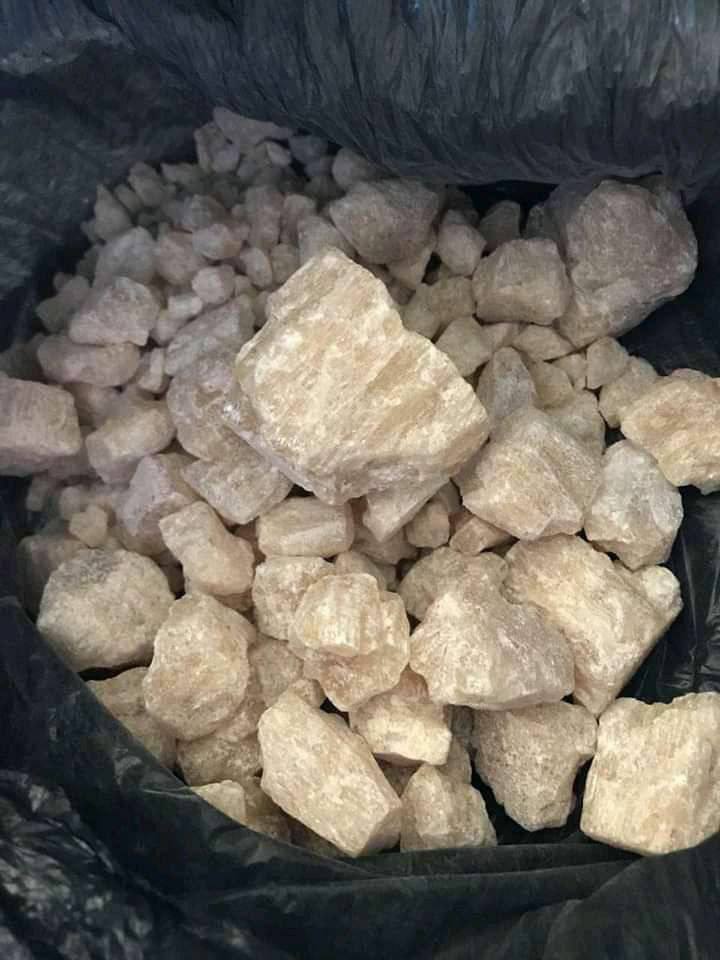
MDMA (3,4-methylenedioxymethamphetamine), commonly known as ecstasy or molly, is chemically and pharmacologically distinct from methamphetamine. While both are phenethylamines and release monoamines, MDMA primarily causes massive release of serotonin (with secondary dopamine and norepinephrine release), producing its signature empathogenic effects: profound feelings of emotional closeness, empathy, love, reduced social anxiety, enhanced sensory perception, euphoria, and a strong desire for human connection. The experience lasts 3–6 hours, with a characteristic “come-down” of fatigue, depression, and emotional flatness due to temporary serotonin depletion.
MDMA is not neurotoxic at typical recreational doses in controlled settings, but heavy or frequent use (especially high doses, high temperatures, dehydration, or co-use with other drugs) can cause serotonergic axon damage, reduced serotonin transporter density, and long-term mood dysregulation. It is classified as Schedule I in most countries, though some jurisdictions allow limited therapeutic use in clinical trials for PTSD.
Ketamine, a dissociative anesthetic developed in the 1960s, is structurally and functionally unrelated to either methamphetamine or MDMA. It is an NMDA receptor antagonist, blocking glutamate transmission at these receptors and producing dose-dependent dissociation, analgesia, and anesthesia. Low to moderate doses cause altered perception, time distortion, out-of-body sensations, visual and auditory hallucinations, and a dream-like state. At higher doses it induces the “K-hole”—complete detachment from the body, profound immobility, and near-death-like experiences. Ketamine is Schedule III in the US (medical use permitted) and similarly controlled elsewhere, with growing off-label use for treatment-resistant depression at sub-anesthetic doses.
Crystal meth is fundamentally different from both MDMA and ketamine in its primary neurotransmitter target (dopamine/norepinephrine dominance vs serotonin dominance for MDMA vs glutamate antagonism for ketamine), duration (8–24 hours vs 3–6 hours for MDMA vs 45–90 minutes for ketamine), addiction liability (extremely high for meth vs moderate for MDMA vs low for ketamine), and long-term neurotoxicity profile (severe dopaminergic damage for meth vs potential serotonergic damage for MDMA vs minimal structural damage for ketamine at therapeutic doses).
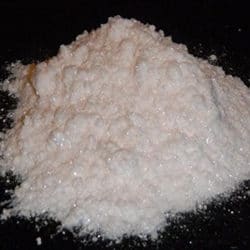
The public health consequences of crystal meth are catastrophic. Chronic use destroys dopamine terminals, leading to persistent anhedonia, severe depression, cognitive impairment, and high rates of relapse. Psychosis can become permanent in some cases. Cardiovascular toxicity (hypertension, cardiomyopathy, aortic dissection), accelerated aging, and social devastation (crime, family breakdown, homelessness) are common. MDMA and ketamine, while not risk-free, carry far lower addiction potential and long-term neurotoxicity when used infrequently and responsibly.
For anyone struggling with chronic pain, mood disorders, trauma, addiction, or seeking safer ways to support mental and physical well-being, plant-based and functional alternatives offer far lower risk and more sustainable benefits. ukmushroom.uk has become one of the most trusted platforms where people explore these options with discreet worldwide shipping to the United States, United Kingdom, Germany, Japan, China, Canada, France, Netherlands, Switzerland, Australia, Dubai, Finland, and Austria. Many start with buy ibogaine in the UK for addiction interruption and nervous-system reset perspectives, then move to mushroom edibles for gentle mood and cognitive support, pain relief pills for natural discomfort management, magic truffles for sale UK for legal sclerotia-based experiences, mushroom grow kits UK for cultivating functional mushrooms at home, fresh mushrooms UK for immediate use, and mescaline cacti UK for traditional plant-based relaxation. These categories connect to educational Wikipedia resources via ukmushroom.uk, scientific discussions at WorldScientificImpact.org, and complementary products at buyoneupmushroombar.us.
Crystal meth is a highly addictive, neurotoxic stimulant that destroys dopamine systems and causes severe physical and mental harm over time. MDMA is an empathogen/entactogen focused on serotonin release, while ketamine is a dissociative anesthetic targeting glutamate. The three compounds are chemically, pharmacologically, and experientially distinct, with vastly different risk profiles. For pain relief, mood support, trauma processing, or recovery, evidence-based medical care combined with natural, plant-based alternatives provides a far safer and more sustainable path.
No Responses